EU offers Canada associate membership amid trade war with Trump
Source Entity
SUBHADRA SRIVASTAVA
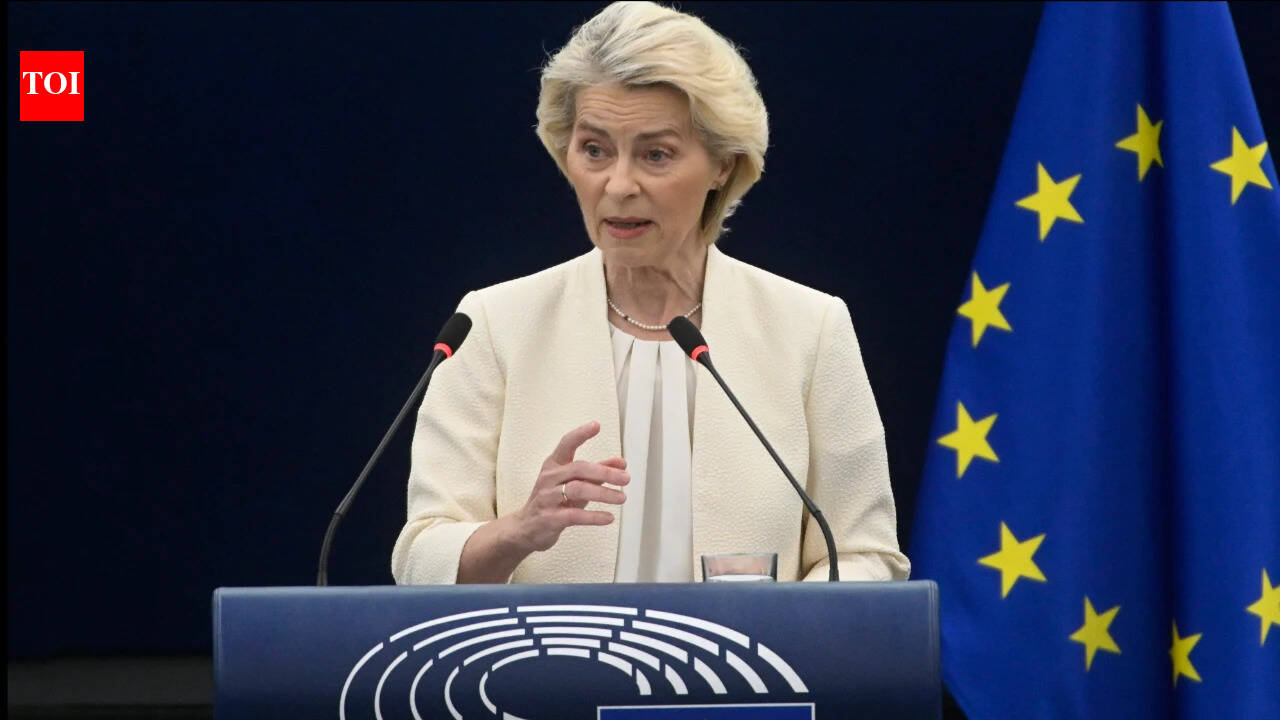
European Commission President Ursula von der Leyen has proposed Canada become the EU's first associate member to strengthen strategic ties. The initiative aims to bolster security and economic cooperation amid global instability and shifting international alliances.
A New Era for Transatlantic Cooperation
In a significant shift in geopolitical strategy, European Commission President Ursula von der Leyen has formally proposed that Canada be granted the status of the first 'associate member' of the European Union. During her state of the union address in Strasbourg, von der Leyen emphasized the necessity of 'reimagining partnerships' in an era defined by evolving global risks. This proposal marks a potential milestone in international relations, signaling a desire to elevate the existing Canada-EU relationship to the highest possible level of integration short of full membership.
Strategic Motivations and Global Context
The push for associate membership comes at a critical juncture for both parties. Von der Leyen explicitly noted that such partnerships are a 'strategic choice' intended to respond to a 'fracture in the international rules-based system.' While the proposal is framed as a move toward 'common strength' rather than an act of opposition against any specific nation, the timing coincides with Canada’s reported efforts to seek a unique security and economic alliance amid strained relations with the United States and President Donald Trump. This suggests a proactive pivot by Ottawa to diversify its diplomatic and economic dependencies.
Defining the 'Associate Member' Framework
While the specific mechanics of 'associate membership' remain to be fully defined, the proposal highlights a desire for deeper coordination across key sectors. For Canada, this alignment represents a strategic hedge against protectionism and instability within its traditional North American trade framework. Mark Carney, present at the address, has previously articulated a vision for a unique alliance that prioritizes security and economic stability, reflecting a shared interest in maintaining a robust, rules-based international order.
Security and Economic Implications
The urgency expressed by the EU leadership regarding a 'European Security Council' suggests that the associate status would likely focus heavily on defense and integrated security policy. By bringing a G7 partner like Canada closer into the European fold, the EU seeks to consolidate its influence and defensive capabilities. Economically, this alignment could provide a buffer for Canada, offering a more stable regulatory and market environment as it navigates the complexities of current international trade disputes.
Future Trajectory and Challenges
The path toward associate membership will likely involve complex negotiations regarding sovereignty, regulatory alignment, and the extent of participation in EU institutions. As the bloc seeks to solidify its influence, the success of this initiative could set a precedent for how the European Union manages relationships with other democratic allies outside the continent. The coming months will be pivotal in determining whether this vision of a 'unique alliance' can be translated into a functional, long-term geopolitical reality that satisfies both Canadian national interests and European security objectives.