World News Today Live Updates: US watchdog tallies Iran war’s hit to weapons stockpiles, military bases
Source Entity
The Indian Express
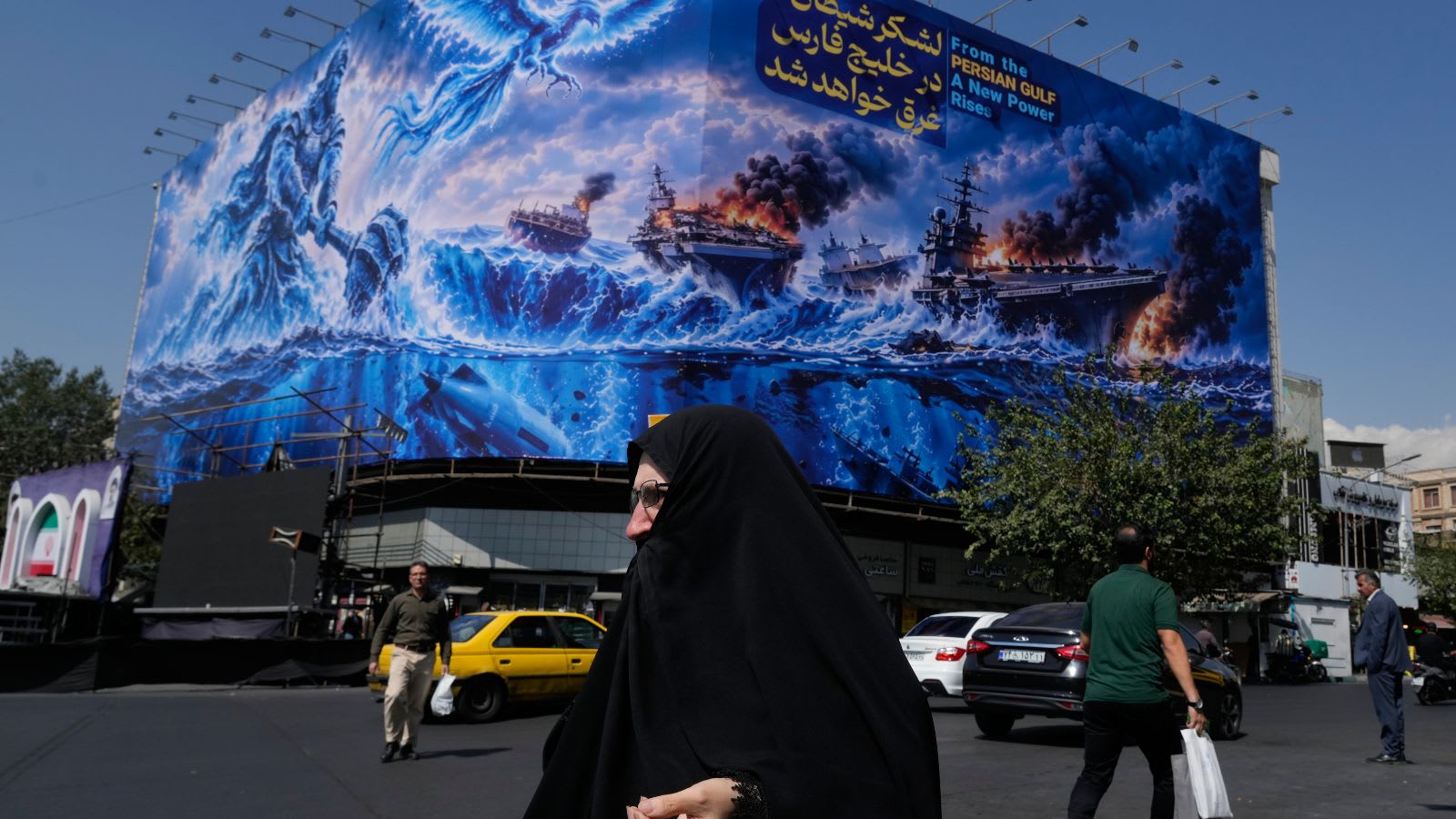
A new US government watchdog report reveals significant damage to American military assets and diplomatic outposts in the Middle East due to the conflict with Iran. The findings highlight critical weapons shortfalls and provide an official assessment of the regional security landscape.
Assessing the Impact: The Pentagon's New Report on Middle East Hostilities
The Scope of the Inspector General's Findings
A recently released report by the US government watchdog, covering the period from April 1 to June 30, marks a significant milestone in transparency regarding the ongoing tensions between the United States and Iran. By synthesizing data from the Defense and State departments, as well as USAID, the report provides the most comprehensive official assessment to date of the kinetic impact of these hostilities. The document serves as an essential record of how regional instability has directly compromised American strategic interests.
Strategic Damage to Military and Diplomatic Assets
The report explicitly details the damage sustained by American aircraft, military bases, and diplomatic outposts throughout the Middle East. This assessment is crucial for understanding the attrition of US assets in a theater that has long been characterized by proxy conflicts and direct posturing. The acknowledgment of these losses indicates a shift in the operational reality, where traditional power projection capabilities are being tested by persistent regional threats.
Addressing Weapons Shortfalls
One of the most concerning revelations within the inspector general’s findings is the emergence of advanced weapons shortfalls. As the military apparatus engages in sustained defensive and offensive postures, the depletion of specific munitions and technologies creates a precarious situation for supply chain management and readiness. This shortage reflects the broader challenge of maintaining a high-readiness force while navigating the demands of a multi-front, low-to-mid intensity conflict.
The Symbolic and Geopolitical Context
The current state of affairs is underscored by the visual and psychological warfare present in the region, such as the propaganda billboards in Tehran’s Islamic Revolution square. These displays, depicting the targeting of US aircraft carriers with messages of a "new power" rising, highlight the ideological dimension of the standoff. The US watchdog’s report serves as a factual counter-narrative, grounding the high-stakes rhetoric in the sobering reality of technical damage and material depletion.
Future Trends and Strategic Implications
Moving forward, the Pentagon will likely face increased pressure to replenish stockpiles and harden defensive infrastructure against evolving aerial and asymmetric threats. The findings suggest that the "new power" narrative promoted by regional actors is being met with a measured, bureaucratic documentation of the actual costs of war. As the US recalibrates its Middle East posture, the data within this report will likely dictate future defense budget allocations and regional security policies.
Conclusion
The Pentagon inspector general’s report is a sobering reminder of the tangible costs of the current US-Iran standoff. By documenting weapons shortfalls and physical damage to critical infrastructure, the US government has provided a necessary framework for understanding the limitations and risks inherent in the current regional security architecture. The ongoing conflict remains a fluid situation, but this report establishes a baseline for assessing future military readiness and diplomatic strategy.