Trump Seeks Reimbursement From Countries For Securing Strait of Hormuz
Source Entity
NDTV News Search Records Found 1000
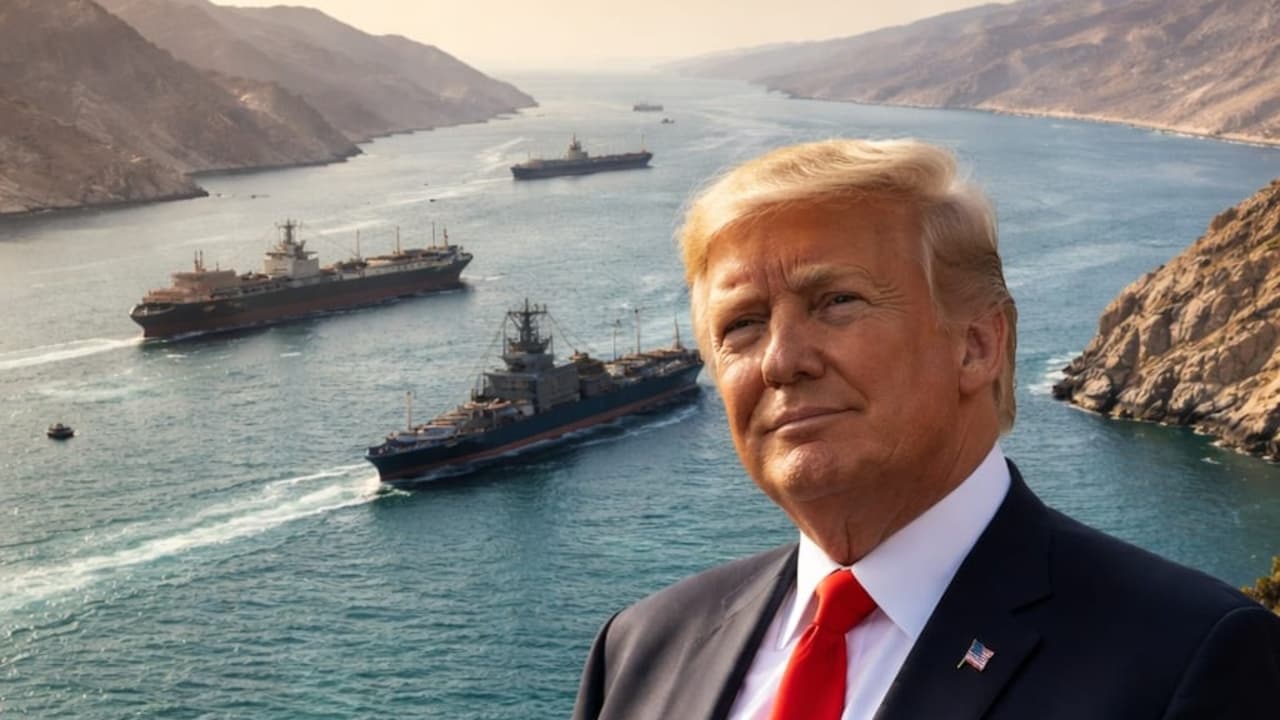
Former President Donald Trump has demanded that nations reimburse the U.S. for the costs of securing the Strait of Hormuz. He claims these countries have provided no support while benefiting from the continued flow of oil through the critical waterway.
The Financial Burden of Maritime Security in the Strait of Hormuz
Former President Donald Trump has issued a strong demand for international financial compensation, asserting that countries benefiting from the security of the Strait of Hormuz should reimburse the United States for its military efforts in the region. The Strait, a vital artery for global energy markets, has been a focal point of geopolitical tension, and Trump’s commentary reflects a long-standing emphasis on his 'America First' policy, which prioritizes national fiscal responsibility over traditional international burden-sharing.
Strategic Importance and Regional Tensions
The Strait of Hormuz serves as a critical choke point for global oil shipments. Given its significance, the U.S. has historically maintained a robust naval presence to ensure the free flow of commerce. Trump’s recent statements highlight a perceived imbalance: while the U.S. incurs the costs of military deployment and security operations, other nations continue to receive the economic benefits of stable oil supplies without, in his view, contributing their fair share to the effort.
Rhetoric and the 'America First' Doctrine
Trump’s characterization of the situation as a 'SCAM Conflagration' reflects his broader skepticism regarding traditional U.S. foreign policy commitments. By demanding reimbursement, he is signaling a departure from the historical American role as the primary, uncompensated guarantor of international maritime security. This rhetoric aligns with his consistent narrative that Washington has historically prioritized the needs of other nations over its own domestic interests.
Implications for Global Alliances
The demand for reimbursement poses significant questions for the future of international cooperation in maritime security. If the U.S. continues to frame its naval operations through a purely transactional lens, it may force allies and trading partners to reconsider their reliance on U.S. protection. Historically, the stability of the Strait has been viewed as a global public good, but these comments suggest a potential shift toward a model where specific security benefits are tied directly to financial contributions.
Future Trends in Energy Security
As the geopolitical landscape shifts, the debate over who pays for maritime security is likely to intensify. The fact that oil continues to flow through the Strait despite ongoing tensions suggests that current security measures are effective, yet the political cost of these operations is becoming a major point of contention. Future administrations or international coalitions may face increased pressure to formalize cost-sharing agreements to avoid the diplomatic friction currently being highlighted by this demand for reimbursement.
Conclusion
Ultimately, Donald Trump’s demand for reimbursement underscores a fundamental reassessment of U.S. global responsibilities. By framing the protection of the Strait of Hormuz as a service for which the world should pay, he is challenging the status quo of international defense obligations. Whether this leads to a new framework for multilateral security financing or further isolates the U.S. from its global partners remains a critical area of concern for international relations.
Verification Required?