Kosovo's former president sentenced to 25 years for war crimes
Source Entity
BBC News
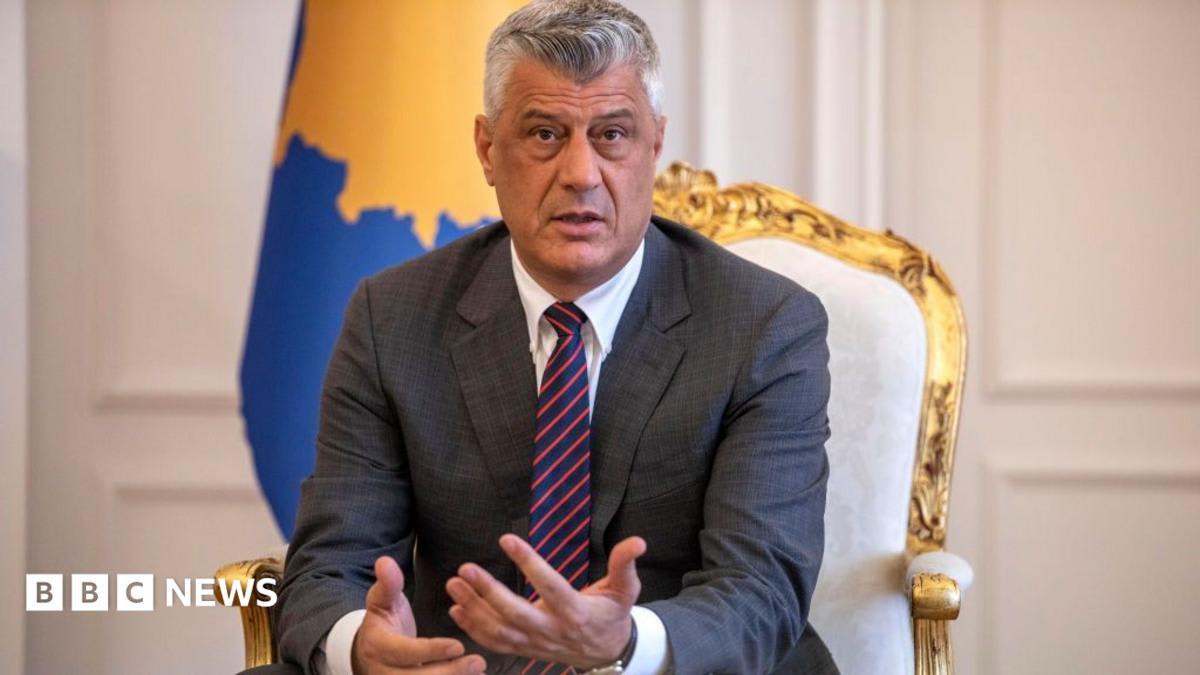
Former Kosovo President Hashim Thaci has been sentenced to 25 years in prison by a Hague tribunal for war crimes committed during the 1990s conflict with Serbia. The conviction marks a significant legal milestone regarding the actions of the Kosovo Liberation Army.
The Hague Delivers Verdict: Hashim Thaci Sentenced to 25 Years
In a landmark ruling at The Hague, former Kosovo President Hashim Thaci has been sentenced to 25 years in prison following a rigorous three-year trial. The verdict addresses a dark chapter of the 1990s Kosovo independence war, a conflict that resulted in the deaths of over 10,000 individuals. Thaci, who served as a co-founder and commander of the Kosovo Liberation Army (KLA), was found guilty of multiple charges including murder, illegal arrests, torture, and cruel treatment.
Contextualizing the Conflict and the KLA
To understand the gravity of this sentence, one must acknowledge Thaci’s complex dual identity. Within Kosovo, he is frequently celebrated as a hero for his leadership in the fight for independence from Serbia. However, the tribunal focused on the darker realities of that insurgency. The KLA, while instrumental in achieving sovereignty, faced severe allegations of systemic abuses during its campaign. The trial specifically examined the accountability of high-ranking commanders for the suffering inflicted upon detainees and civilians alike.
The Legal Proceedings and Prosecution
During the proceedings, prosecutors leveled serious accusations against Thaci, linking him to the deaths of nearly 100 people and the orchestration of enforced disappearances. While the court acquitted him of several specific allegations that could not be proven beyond a reasonable doubt, the conviction for the proven crimes remains a significant judicial outcome. The trial also involved three other former KLA commanders, highlighting a collective effort to adjudicate the actions of the organization’s leadership hierarchy.
Broader Implications for International Justice
This verdict sends a profound message regarding the limits of political immunity and the pursuit of international justice. By prosecuting a former head of state, the tribunal reinforces the principle that wartime actions—even those conducted in the name of national liberation—are subject to legal scrutiny. The outcome of this case serves as a precedent for future international inquiries into conflicts where non-state actors transition into political power.
Future Trends and Regional Stability
As Kosovo grapples with this judicial reality, the nation faces a period of internal reflection. The sentencing of a figure as prominent as Thaci may influence the political landscape and the ongoing normalization process between Kosovo and Serbia. The international community will likely watch closely to see how this ruling affects domestic sentiment in Kosovo and whether it facilitates a broader reckoning with the atrocities of the 1990s, ultimately shaping the long-term path toward regional reconciliation.