Demolish dangerous buildings in Thrissur without delay, Kerala State Human Rights Commission tells city Corporation
Source Entity
India Latest News: Top National Headlines Today & Breaking News | The Hindu
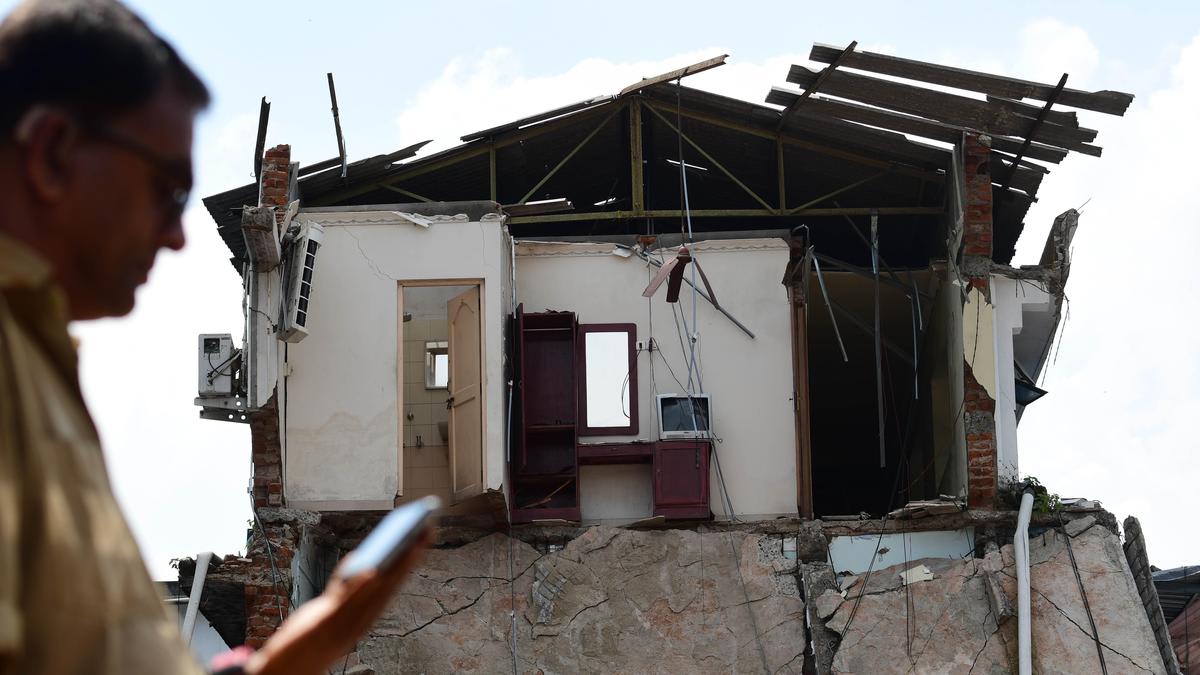
Kerala faces twin challenges regarding public safety: rising human-wildlife conflicts in Kozhikode and the urgent need to demolish dilapidated buildings in Thrissur. The State Human Rights Commission has intervened in both matters to demand improved safety protocols and administrative accountability.
The Dual Crisis of Public Safety in Kerala
Kerala is currently grappling with significant public safety concerns, ranging from the increasing frequency of human-wildlife encounters to the structural integrity of aging urban infrastructure. These issues, while distinct in nature, highlight a critical need for proactive administrative intervention and the modernization of state safety protocols to protect citizens from preventable harm.
Escalating Human-Wildlife Conflict
The recent attack on 59-year-old M.K. Abdul Khader in Thamarassery, Kozhikode, serves as a stark reminder of the escalating human-wildlife conflict in the region. Mr. Khader was reading on his veranda when a wild boar attacked him, causing leg injuries. This incident is not isolated; it follows a September 7 accident where a couple, Pallath Faisal and his spouse, were injured after a wild boar crossed their path near Mukkam. These events underscore the growing encroachment of wildlife into residential areas, necessitating an urgent shift in how the state manages wildlife movement.
Regulatory Intervention and Early Warning Systems
In response to these recurring dangers, the Kerala State Human Rights Commission has stepped in, directing the Forest and Wildlife Department and the Local Self-Government Department to develop a permanent solution. The commission, led by judicial member K. Byjunath, has criticized the reliance on reactive measures like temporary fencing or post-attack compensation. Instead, the commission is demanding the implementation of robust early warning systems, mapping of wildlife movement routes, and continuous surveillance of conflict-prone hotspots to prevent future tragedies.
Infrastructure Safety in Thrissur
Simultaneously, urban safety in Thrissur has come under scrutiny as the Kerala State Human Rights Commission addresses the presence of dilapidated buildings. The commission has ordered the Thrissur Corporation to expedite the demolition of dangerous structures that pose a threat to public safety. According to the Corporation’s latest report, 15 buildings have been identified for immediate removal. While two have been demolished and two are currently being dismantled, six remain tied up in litigation, highlighting the legal complexities that often hinder essential municipal safety work.
Administrative Accountability and Future Trends
The commission’s directive for the Corporation Secretary to submit an action-taken report by October 2026 signals a long-term commitment to structural safety. By requiring formal status reports, the commission is ensuring that municipal bodies remain accountable for public welfare. Moving forward, the effectiveness of these interventions will depend on the state’s ability to coordinate across departments—linking urban planning with wildlife conservation—to mitigate the risks posed by both deteriorating built environments and the wild landscape.
Conclusion
Whether addressing the unpredictable nature of wildlife in Kozhikode or the structural decay of buildings in Thrissur, the common thread is the state’s duty to protect its citizens. By formalizing early warning systems and accelerating the removal of hazardous infrastructure, Kerala is attempting to transition from a reactive posture to a more sustainable, safety-first governance model.
Multiple Citing Sources
Verification Required?