Packers fail to deliver Kerala man’s Rs 32,000 cycle, goods from Delhi, he wins Rs 58,000
Source Entity
Richa Sahay
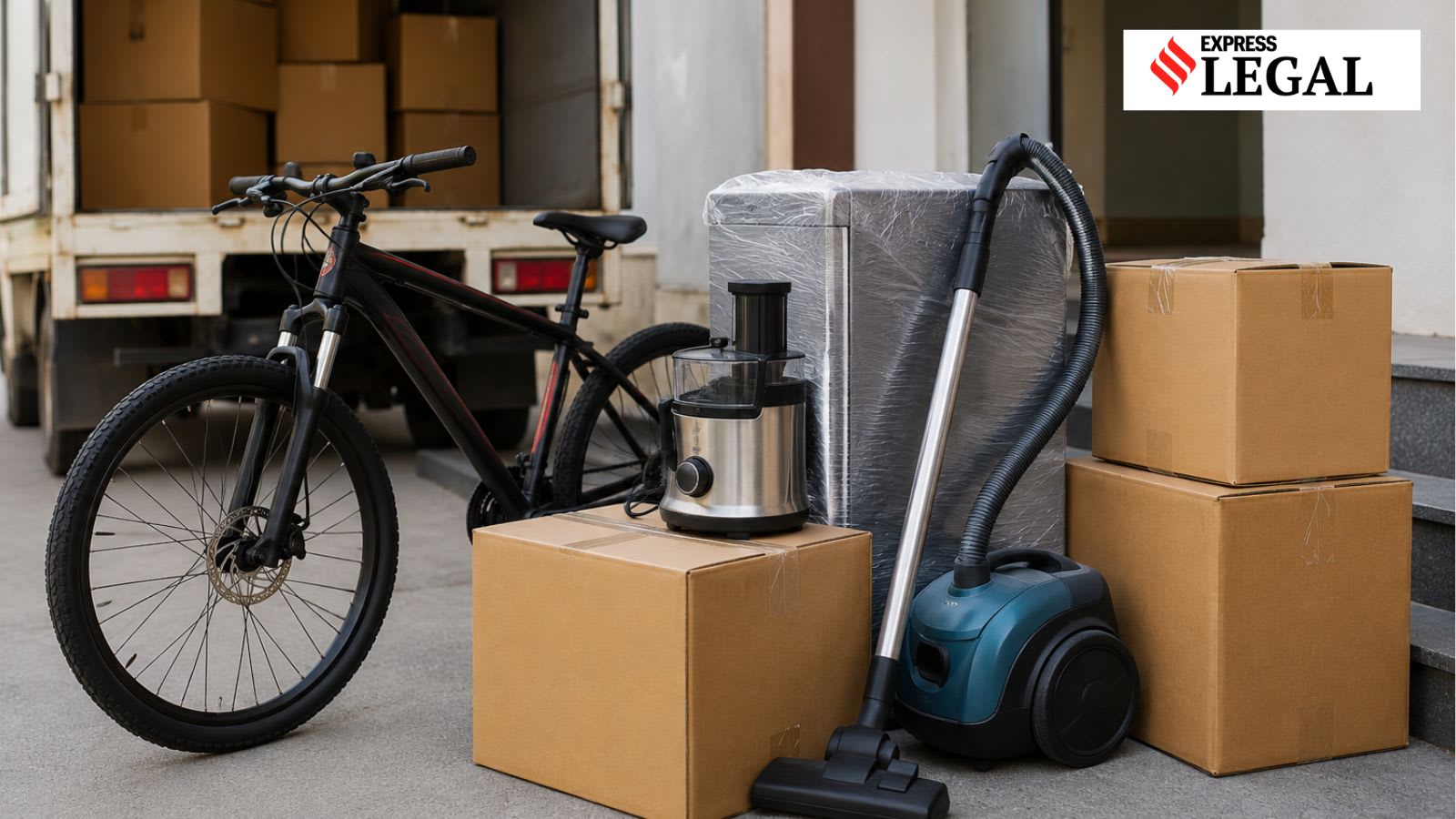
A consumer forum in Kerala has ordered a packing and moving company to pay ₹58,000 in compensation to a customer after the company failed to deliver a bicycle worth ₹32,000 and other household goods shipped from Delhi.
Consumer Rights Triumph: Kerala Forum Penalizes Negligent Logistics Firm
In a significant victory for consumer rights, a consumer dispute redressal forum in Kerala has held a packing and moving company accountable for a severe 'deficiency in service.' The case centered on a customer who had entrusted the company with the transport of household goods, including a high-value bicycle worth ₹32,000, from Delhi to Kerala. When the consignment failed to arrive, the customer sought legal recourse, ultimately winning a compensation award of ₹58,000, which covers both the material loss and the mental agony caused by the company's negligence.
Understanding 'Deficiency in Service' in Logistics
From a legal perspective, this ruling hinges on the concept of "deficiency in service," a cornerstone of the Consumer Protection Act in India. In the logistics and relocation industry, a service provider is not merely paid for the physical movement of goods but for the guarantee of safe delivery within a stipulated timeframe. When a company fails to deliver essential items—especially high-value goods like the ₹32,000 bicycle in this instance—it constitutes a breach of the service contract. This case highlights that the responsibility of the packer and mover does not end at the point of pickup but extends until the successful handover of the inventory at the destination.
The Challenge of Long-Distance Relocation
Transporting goods from Delhi to Kerala involves crossing nearly the entire length of the Indian subcontinent, traversing multiple states and varying terrains. Such long-haul logistics are often plagued by fragmented supply chains, where primary contractors outsource the actual transport to third-party truck operators. This fragmentation frequently leads to a lack of transparency and accountability. When goods go missing in such a system, companies often attempt to deflect blame onto subcontractors. However, the consumer forum's decision reinforces the principle that the primary service provider remains solely liable to the consumer, regardless of their internal contractual arrangements with third parties.
Broader Implications for the Moving Industry
This judgment serves as a critical warning to the plethora of "fly-by-night" operators that dominate the Indian packing and moving sector. Many small-scale operators promise low rates to attract customers but lack the infrastructure or insurance to cover losses. By awarding ₹58,000—an amount significantly higher than the value of the lost bicycle alone—the forum has signaled that compensation will not be limited to the cost of the item but will also account for the stress and inconvenience suffered by the consumer. This encourages a shift toward professionalization and the adoption of comprehensive transit insurance within the industry.
Strengthening Consumer Awareness
Historically, many Indian consumers have hesitated to approach consumer forums due to perceived bureaucratic hurdles or the belief that the cost of litigation outweighs the value of the lost item. However, cases like this demonstrate the efficacy of the consumer court system in providing accessible justice. The fact that a man could successfully recover costs for a lost bicycle and household goods underscores the importance of maintaining proper documentation, such as consignment notes and payment receipts, which are essential evidence in proving a deficiency in service.
Conclusion and Future Outlook
Ultimately, this ruling is more than just a financial settlement; it is a reinforcement of the accountability standards expected from service providers in India. As the domestic migration of professionals between major hubs like Delhi and Kerala continues to rise, the demand for reliable relocation services will grow. We can expect a trend where consumers increasingly demand written guarantees and insurance policies, while the judiciary continues to penalize negligence to ensure a fair and transparent marketplace for logistics services.