Second attempt to tranquilise wild tusker Chakkakompan underway in Chinnakkanal: Keralam Forest Minister
Source Entity
India Latest News: Top National Headlines Today & Breaking News | The Hindu
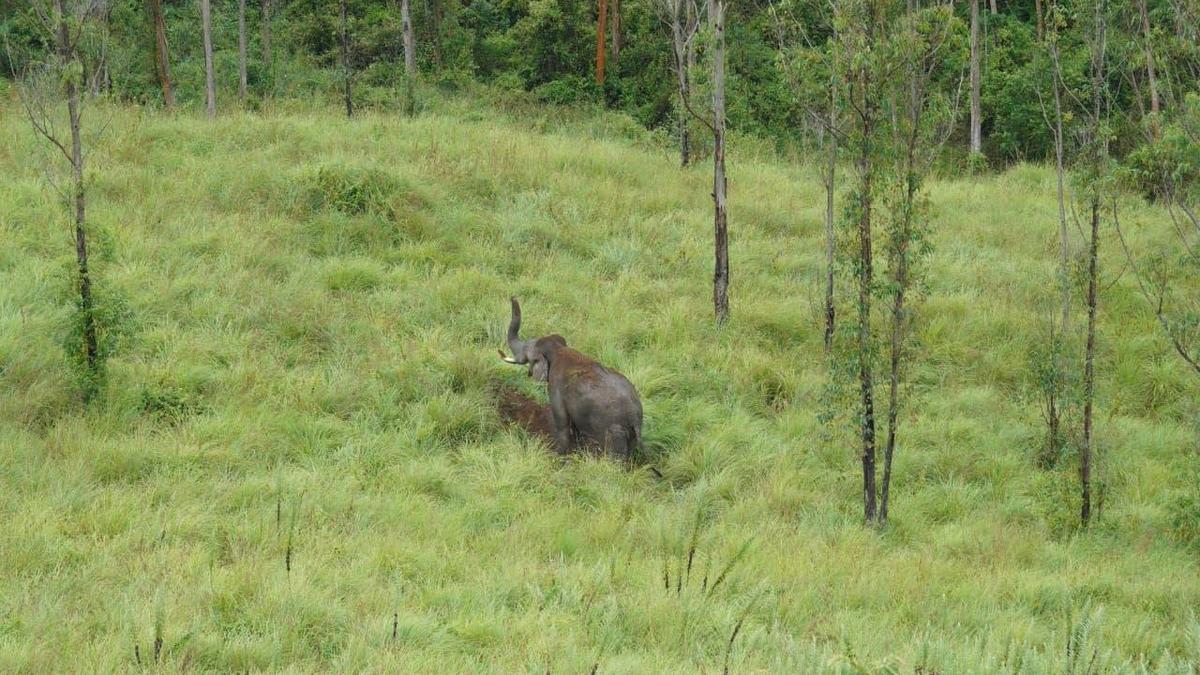
Forest officials in Kerala have launched a second attempt to tranquilize and radio-collar the wild tusker Chakkakomban in Chinnakkanal. The mission, involving over 140 personnel, remains highly dependent on weather conditions and the elephant's movement through the region's difficult terrain.
The Mission to Manage Chakkakomban
The ongoing operation to tranquilize and radio-collar the wild tusker known as Chakkakomban in the Chinnakkanal region of Idukki, Kerala, represents a significant challenge for wildlife management authorities. Forest Minister Shibu Baby John has confirmed that a second attempt is currently underway following a suspension of efforts on Wednesday, which were necessitated by adverse weather conditions. The complexity of this mission is underscored by the high-stakes environment in which forest teams must operate, balancing animal welfare with public safety concerns.
Challenges in Terrain and Climate
The geography of Chinnakkanal, characterized by tropical evergreen forests and steep, rugged terrain, poses substantial logistical hurdles. The initial attempt to secure the 25-year-old tusker was halted due to inclement weather, a factor that remains a primary variable in the current mission. As forest officials continue to monitor the elephant's movements—having recently located it within a cardamom plantation—they must wait for the animal to enter a designated, safer area before attempting to tranquilize it once more.
A Massive Multi-Agency Effort
The scale of this operation is immense, involving a deployment of over 140 personnel tasked with the capture and monitoring of the elephant. Such a large-scale mobilization reflects the gravity of the situation in Idukki, where human-wildlife conflict has become an increasingly pressing issue. The sheer volume of resources and human presence highlights the urgency with which the Forest Department is approaching the management of Chakkakomban, who has become the focal point of regional conservation efforts.
The Tusker’s Stoic Resilience
Recent footage captured by drone photographer Bijish Mathai has provided a rare glimpse into the demeanor of Chakkakomban during these high-pressure operations. The video shows the tusker standing atop a rock cluster, appearing largely indifferent to the massive human presence surrounding him. This imagery not only captures the magnificence of the animal but also highlights the unpredictable nature of wildlife behavior when faced with large-scale human intervention in their natural habitat.
Broader Implications for Wildlife Management
This mission is a microcosm of the larger struggle to mitigate human-elephant conflict in India. As human settlements expand into traditional elephant corridors, the need for radio-collaring and monitoring becomes a vital tool for predictive management. By tracking the movements of elephants like Chakkakomban, authorities hope to reduce future conflicts, protect local agriculture—such as the cardamom plantations where the tusker was recently spotted—and ensure the long-term safety of both the animals and the local residents.
Concluding Summary
The quest to tranquilize and radio-collar Chakkakomban remains a fluid, high-tension operation. As the Forest Department continues to monitor the tusker's path, the success of the mission rests on a delicate combination of favorable weather and the animal’s cooperation. This event serves as a poignant reminder of the complexities involved in managing megafauna in human-dominated landscapes, emphasizing the necessity of precise, science-led interventions.
Verification Required?