Kerala’s government hospitals face a shortage of specialist doctors
Source Entity
India Latest News: Top National Headlines Today & Breaking News | The Hindu
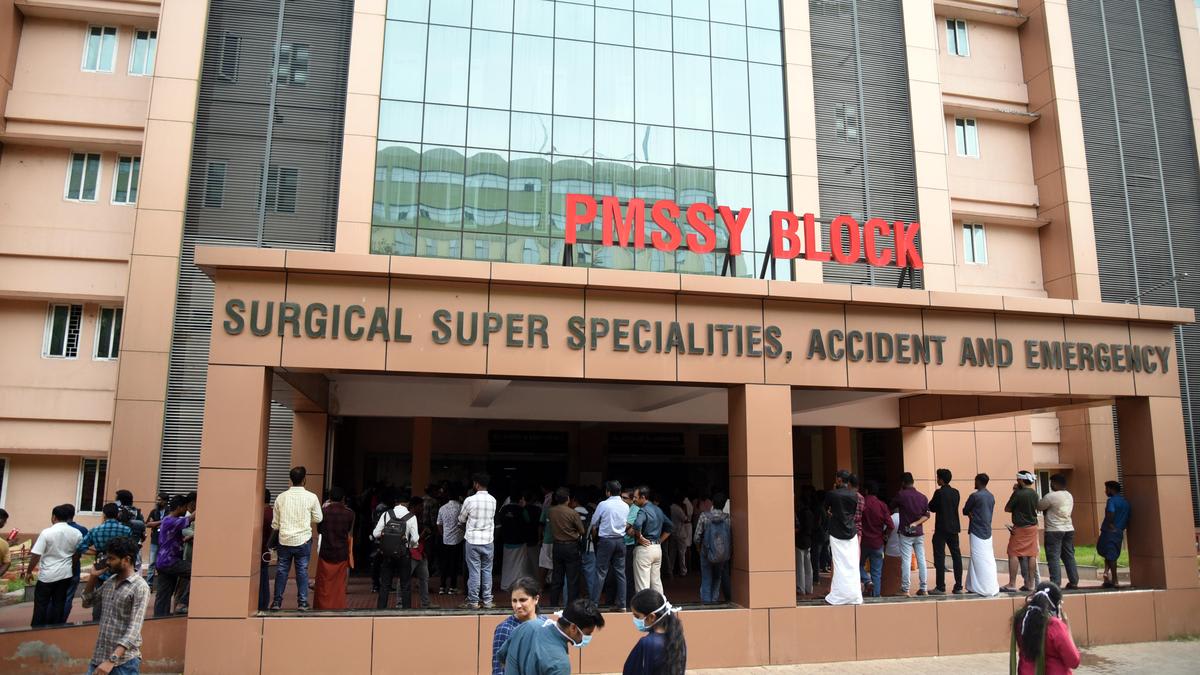
RTI data reveals a critical shortage of over 280 specialist doctors in Kerala's government hospitals, with more than 50 delivery centers lacking essential gynaecologists, paediatricians, and anaesthetists, prompting urgent calls for recruitment and promotions.
Crisis in Kerala's Public Health: The Specialist Shortage
The public healthcare system in Kerala, often lauded as a model for the rest of India due to its high health indicators, is currently grappling with a critical shortage of medical specialists. Recent data obtained through Right to Information (RTI) requests has shed light on a systemic gap, revealing that over 280 specialist positions remain vacant across government hospitals. This deficit is not merely a statistical anomaly but a pressing crisis that threatens the delivery of essential healthcare services to the state's most vulnerable populations.
Impact on Maternal and Neonatal Care
One of the most alarming revelations is the state of maternity and neonatal care. More than 50 hospitals equipped with delivery points are reportedly operating without adequate teams of gynaecologists, paediatricians, and anaesthetists. This specific shortage creates a high-risk environment for expectant mothers and newborns, as the absence of a full specialist team can lead to delays in emergency interventions or the necessity of transferring patients to distant tertiary care centers during critical windows of time. The lack of anaesthetists, in particular, can jeopardize the safety of emergency C-sections and other urgent surgical procedures.
Systemic Strain and Professional Burnout
The vacuum created by these vacancies places an unsustainable burden on the remaining medical staff. When specialist roles are left unfilled, general practitioners or junior doctors are often forced to handle complex cases beyond their primary expertise, increasing the risk of medical errors and professional burnout. This cycle of overwork often leads to further attrition, as doctors seek opportunities in the private sector where workloads are more manageable and remuneration is typically higher, further exacerbating the shortage in the public sector.
Institutional Demands and Career Progression
In response to this crisis, doctors' associations have stepped forward to demand immediate government intervention. Their calls are three-fold: the urgent recruitment of new specialists, the creation of additional posts to meet growing population demands, and the acceleration of the promotion process. The emphasis on promotions is particularly crucial; stagnant career progression often serves as a primary catalyst for specialists to migrate from government service to private practice or overseas, as the lack of professional growth diminishes the appeal of public service.
Historical Context and the Kerala Health Model
Historically, Kerala has maintained some of the best health indicators in India, including low infant mortality rates and high life expectancy. This success was built on a robust network of primary and secondary government health centers that ensured equitable access to care. However, the current shortage suggests a disconnect between the state's healthcare ambitions and its human resource management. If the gap in specialist availability is not bridged, the state risks eroding the very foundation of its public health success and losing its status as a healthcare leader.
Future Outlook and Strategic Solutions
Looking ahead, the Kerala government must transition from reactive hiring to a strategic workforce planning model. This may involve offering better incentives for specialists to serve in rural or underserved government hospitals and streamlining the bureaucratic hurdles associated with medical appointments. Failure to address these vacancies promptly could lead to a decline in public trust in government healthcare, pushing more citizens toward expensive private care and widening the health inequality gap across the state.
Summary of Urgency
In summary, the shortage of over 280 specialists in Kerala's government hospitals is a critical failure that requires immediate rectification. By focusing on the urgent needs of maternity and pediatric care and addressing the professional grievances of the medical community through faster promotions and recruitment, the state can restore its healthcare efficiency. The path forward requires a concerted effort to prioritize medical human resources as a core pillar of public welfare.
Verification Required?