NMC seeks to bar approvals for medical colleges with incomplete infrastructure
Source Entity
India Latest News: Top National Headlines Today & Breaking News | The Hindu
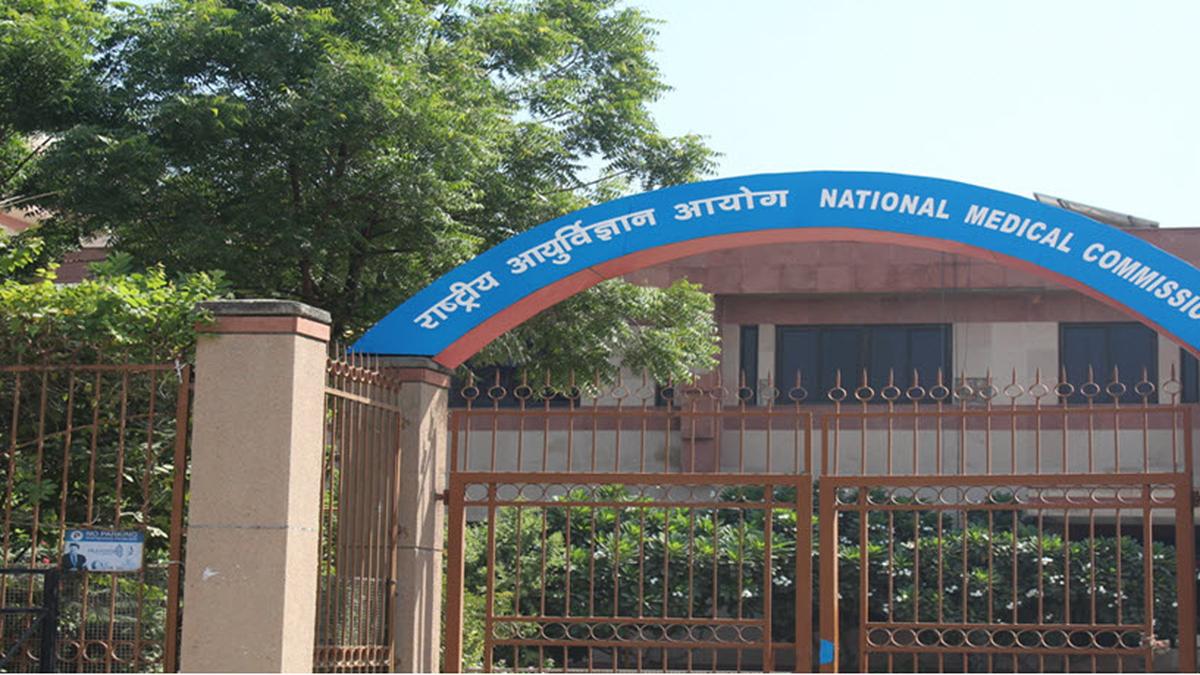
The National Medical Commission (NMC) is proposing new draft regulations to prohibit the approval of medical colleges that lack complete infrastructure, aiming to prioritize educational quality over the rapid expansion of medical seats, which have grown by 167% over the last decade.
Ensuring Quality in Medical Education: Analysis of NMC's New Infrastructure Mandate
The National Medical Commission (NMC), India's apex regulatory body for medical education, has signaled a critical shift in its oversight strategy by proposing draft regulations that would bar approvals for medical colleges with incomplete infrastructure. This move represents a pivotal transition from a phase of rapid quantitative expansion to one of qualitative consolidation. By tightening eligibility norms, the NMC aims to ensure that medical students are not merely enrolled in institutions on paper, but are admitted to fully functional environments capable of providing the rigorous training required for medical practice.
The Infrastructure Gap and Educational Integrity
At the heart of this regulatory shift is the concern that "incomplete infrastructure" directly compromises the quality of medical pedagogy. Medical education is uniquely dependent on physical assets—ranging from state-of-the-art anatomy labs and lecture halls to fully equipped teaching hospitals with a sufficient patient load. When colleges are granted approvals despite lacking these essentials, students are deprived of the hands-on clinical experience necessary to develop diagnostic and surgical skills. By mandating that institutions be fully functional before receiving approval, the NMC is attempting to eliminate the risk of students spending their formative years in "skeleton colleges" that lack the tools for comprehensive learning.
Analyzing the 167% Growth Surge
To understand the urgency of this move, one must look at the staggering 167% increase in medical seats over the last decade. This aggressive expansion was largely driven by the urgent need to improve the doctor-patient ratio and meet the healthcare demands of a massive population. While increasing the number of seats is a necessary step toward universal health coverage, the speed of this growth often outpaced the ability of institutions to build sustainable infrastructure. The NMC's current intervention is a direct response to this era of hyper-growth, acknowledging that adding seats without corresponding facilities creates a systemic vulnerability in the healthcare workforce.
Implications for Student Welfare and Professional Standards
For the aspiring medical student, these draft regulations serve as a critical safety valve. In previous years, students often found themselves in precarious positions where their degrees were threatened by late-stage regulatory audits that revealed infrastructure deficits. By shifting the verification process to the pre-approval stage, the NMC protects students from the instability of attending an unaccredited or substandard institution. Furthermore, this ensures that the prestige and reliability of the medical degree remain intact, preventing the proliferation of "degree mills" that prioritize tuition fees over clinical competence.
A Paradigm Shift in Regulatory Governance
This development marks a departure from the legacy of the Medical Council of India (MCI), which was often criticized for laxity and a lack of transparency in granting permissions. The NMC's approach suggests a more stringent, evidence-based methodology for institutional accreditation. By focusing on "fully functional" status, the regulator is moving toward a model of accountability where the burden of proof lies with the institution to demonstrate readiness before a single student is admitted. This systemic change is likely to force private players in the medical education sector to invest more heavily in long-term infrastructure rather than seeking quick approvals.
Future Trends: Consolidation and Specialization
Looking ahead, these regulations are likely to lead to a consolidation of medical colleges. Institutions that cannot meet the tightened infrastructure norms may either face closure or be forced into mergers. We can expect a trend where quality becomes the primary competitive advantage for medical colleges, rather than just the availability of seats. Moreover, this may encourage the development of specialized hubs of excellence, as the high cost of maintaining "fully functional" infrastructure pushes institutions to focus on specific medical disciplines where they can truly excel.
Conclusion: Prioritizing Patient Safety via Education
Ultimately, the NMC's move to bar approvals for incomplete colleges is not just an administrative adjustment; it is a public health imperative. The quality of a doctor's training is the primary determinant of patient safety. By ensuring that every medical student is trained in a fully equipped facility, the NMC is safeguarding the future of the healthcare system. While the transition may be challenging for some institutions, the long-term benefit—a workforce of highly skilled, clinically competent physicians—far outweighs the short-term hurdles of stricter regulation.
Verification Required?