Despite monsoon shortfall, Keralam’s hydel reservoirs see storage boost
Source Entity
India Latest News: Top National Headlines Today & Breaking News | The Hindu
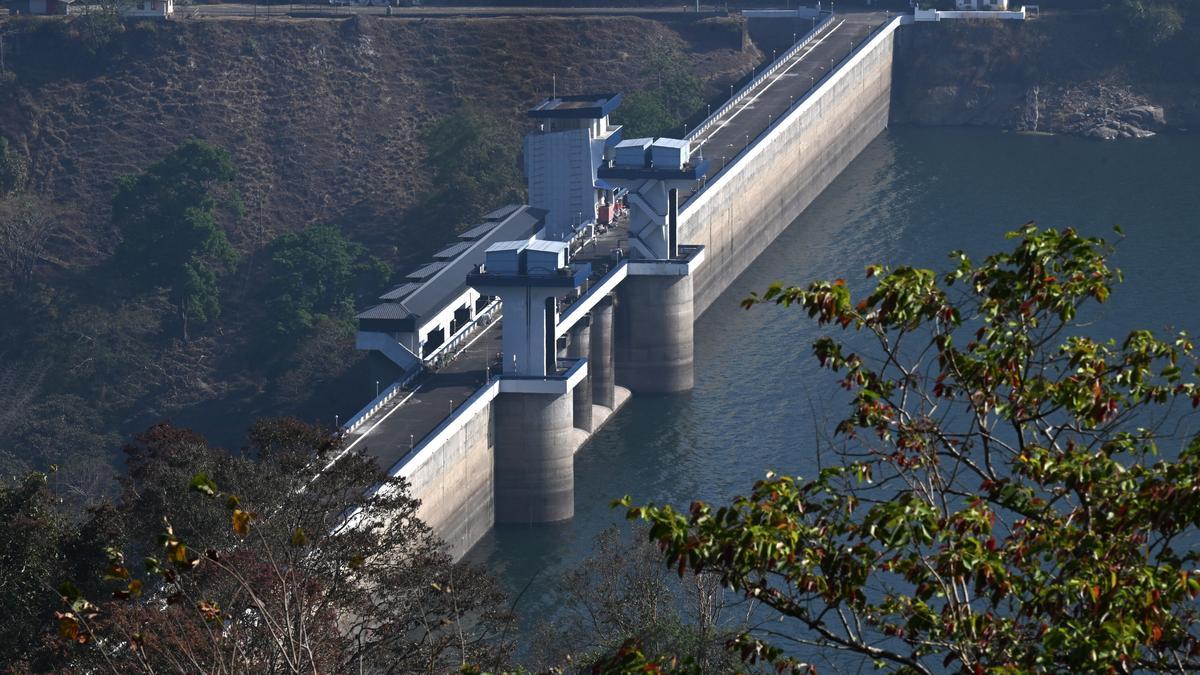
Kerala's hydroelectric reservoir levels have recovered to 63% capacity as of late August, despite an initial monsoon shortfall. This recovery has successfully mitigated the power crisis that necessitated electricity curbs earlier in the season.
Kerala's Hydropower Resilience: A Mid-Monsoon Assessment
The Turnaround in Reservoir Levels
Despite a challenging start to the monsoon season characterized by a persistent rainfall shortfall, Kerala’s hydroelectric reservoir infrastructure has demonstrated a remarkable recovery. As of August 28, the combined storage across the state’s hydroelectric projects reached 63% of their total capacity, representing approximately 2,601.34 million units (mu). This figure marks a significant improvement from the precarious levels observed just two months prior.
Historical Context of the Power Crisis
To understand the significance of this recovery, one must look back to June 26, when reservoir storage had plummeted to a critical 21% of total capacity, or 871.26 mu. This drastic depletion triggered an immediate and unexpected power crisis across the state. The Kerala State Electricity Board (KSEB) was forced to implement limited power curbs to manage the shortfall, highlighting the state's heavy reliance on hydel power as a primary energy source and its vulnerability to erratic weather patterns.
The Role of the Idukki Project
The Idukki hydroelectric project, which serves as the backbone of Kerala’s energy grid with its 780 MW capacity, remains the most vital indicator of the state's power stability. Currently, the Idukki reservoir sits at 62% capacity. The stabilization of this specific reservoir has been central to alleviating the strain on the state’s power grid, providing a buffer that ensures consistent electricity supply despite the initial monsoon volatility.
Climate Dynamics and Energy Consumption
The recent improvement in storage levels is directly correlated with a late-season uptick in rainfall. Beyond the increase in water availability, the meteorological shifts have led to a natural dip in electricity consumption. Historically, high temperatures during dry spells drive up cooling demands; the rainfall has effectively moderated these spikes, allowing the KSEB to maintain a more balanced load and avoid further restrictive measures throughout August.
Broader Implications and Future Trends
This event underscores the inherent risks of relying on seasonal precipitation for base-load electricity. While the current recovery is positive, the volatility experienced this year serves as a reminder of the need for diversified energy portfolios. Future trends suggest that as climate patterns become increasingly unpredictable, the KSEB may need to prioritize investments in grid infrastructure and alternative energy sources to buffer against similar hydel-dependent crises in the future.
Conclusion
In summary, Kerala has successfully navigated a potential energy emergency through a combination of timely rainfall and controlled consumption. With reservoirs currently at 63% capacity, the state is in a much stronger position compared to the mid-year lows. However, the experience of the last three months reinforces the necessity of proactive resource management in the face of shifting monsoon dynamics.
Verification Required?