Retrenchments in Kerala: Labour codes and its rules | Explained
Source Entity
India Latest News: Top National Headlines Today & Breaking News | The Hindu
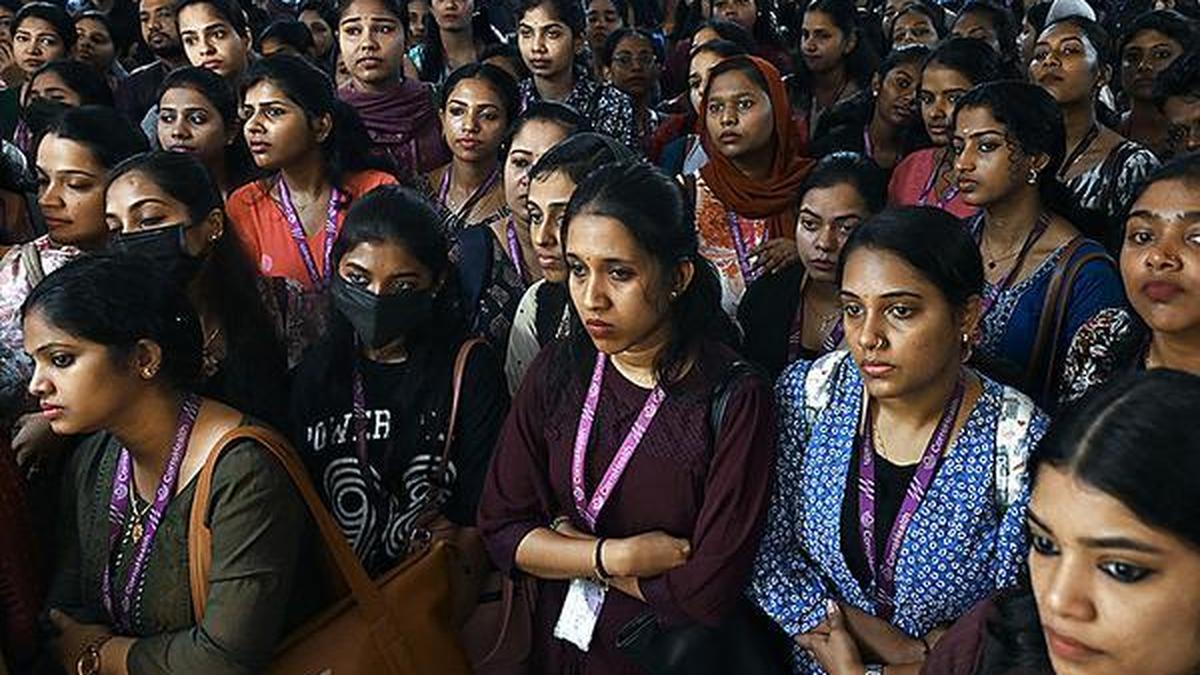
Chapter XI of the Code provides that the appropriate Government shall set up a worker re-skilling fund, and the employer must contribute to the fund an amount equal to 15 days’ wages last drawn by the worker immediately before the retrenchment
Understanding the New Retrenchment Framework in Kerala
The landscape of labor relations in Kerala is undergoing a significant transformation with the introduction and explanation of the new Labour Codes. Central to this shift is the mechanism for handling retrenchment—the termination of a worker's employment due to redundancy. The provided text highlights a critical provision within Chapter XI of the Code, which mandates the creation of a 'worker re-skilling fund.' This initiative represents a pivot from traditional severance-only models toward a more sustainable, growth-oriented approach to labor displacement.
The Mechanics of the Worker Re-skilling Fund
According to the specific mandates of Chapter XI, the responsibility for funding the re-skilling of displaced workers falls squarely on the employer. When a worker is retrenched, the employer is required to contribute an amount equivalent to 15 days of the wages last drawn by that worker immediately prior to their termination. This fund is not paid directly to the employee as a lump sum but is instead channeled into a fund set up by the 'appropriate Government.' This structure ensures that the financial contribution is earmarked specifically for professional development and training, rather than being absorbed into general household expenses.
Economic Implications for Employers and Employees
From an economic perspective, this rule introduces a standardized cost of exit for businesses operating in Kerala. By quantifying the contribution at 15 days' wages, the government provides employers with a predictable financial liability associated with downsizing. For the worker, while this is not a direct cash payout, it creates a safety net that acknowledges the volatility of the modern job market. The focus on 're-skilling' suggests a recognition that simple financial compensation is often insufficient to ensure long-term employability in an era of rapid technological disruption.
Historical Context: From Protectionism to Agility
Historically, Indian labor laws were characterized by rigid protections that made it extremely difficult for companies to retrench workers, often leading to 'ghost payrolls' or prolonged legal battles. The transition to the new Labour Codes reflects a broader national strategy to balance 'ease of doing business' with social security. By facilitating a more streamlined retrenchment process while simultaneously mandating a re-skilling contribution, the government is attempting to move Kerala's labor market from a model of rigid job security to one of 'employment security' through skill enhancement.
The Role of the Government in Skill Management
An essential component of this provision is the role of the 'appropriate Government' in managing the fund. The efficacy of Chapter XI depends entirely on how the government utilizes these contributions. If the fund is managed transparently and linked to industry-relevant certification programs, it could significantly reduce the duration of unemployment for retrenched workers. However, the challenge lies in ensuring that the re-skilling programs are not generic but are tailored to the actual demands of the current and future Kerala economy, particularly in sectors like IT, healthcare, and sustainable tourism.
Future Trends and Labor Market Mobility
Looking ahead, this mandate is likely to encourage a culture of continuous learning. As employers become financially responsible for the re-skilling of their exited staff, there may be a secondary incentive for companies to invest in upskilling workers before retrenchment becomes necessary. Furthermore, this system could lead to a more mobile workforce in Kerala, where workers are less fearful of retrenchment knowing that there is a formalized state-backed mechanism to help them pivot to new industries.
Conclusion
In summary, the provision in Chapter XI of the Labour Code regarding retrenchment in Kerala marks a strategic shift in labor governance. By requiring a 15-day wage contribution toward a re-skilling fund, the state is attempting to mitigate the trauma of job loss through professional empowerment. While the financial burden falls on the employer, the long-term benefit is a more resilient and adaptable workforce, provided the government implements the training infrastructure with precision and foresight.
Verification Required?