Sahitya Akademi award-winning Tamil writer Poomani passes at 79
Source Entity
India Latest News: Top National Headlines Today & Breaking News | The Hindu
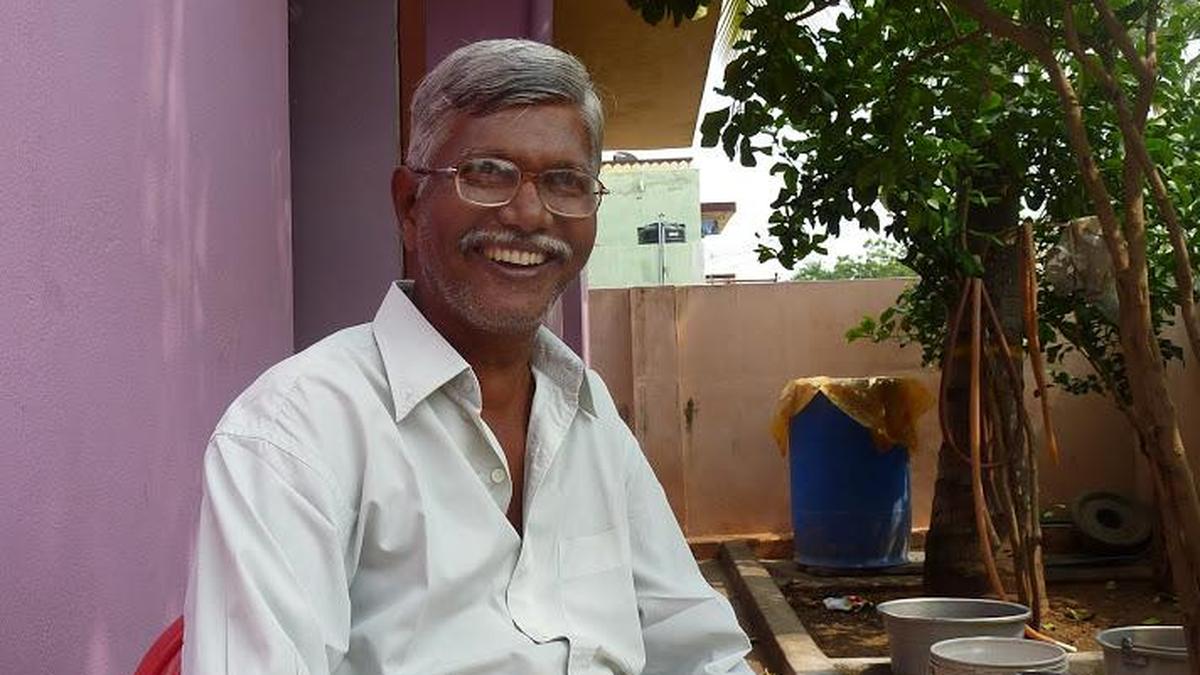
Poomani received the Sahitya Akademi Award in 2014 for his monumental novel Agnaadi, an epic narrative set against the backdrop of the Sivakasi (1899) and Kazhugumalai (1895) communal riots; Chief Minister Vijay announces State honours
Loss of a Literary Titan: The Passing of Poomani
The Tamil literary landscape has suffered a significant loss with the passing of Poomani at the age of 79. A writer of profound depth and historical consciousness, Poomani was not merely a storyteller but a chronicler of the social frictions and human struggles that have shaped the region. His death marks the end of a chapter for contemporary Tamil literature, yet his contributions remain etched in the cultural consciousness of the state. The gravity of his influence is further highlighted by the prompt announcement of State honours by Chief Minister Vijay, signaling the government's recognition of Poomani's role in preserving and interpreting Tamil heritage.
The Legacy of 'Agnaadi' and the Sahitya Akademi Recognition
Central to Poomani's enduring legacy is his monumental novel, Agnaadi, for which he received the prestigious Sahitya Akademi Award in 2014. This award, one of India's highest literary honors, validated Poomani's ability to blend rigorous historical research with a compelling narrative. Agnaadi is not a simple piece of fiction; it is an epic exploration of communal volatility and the fragile nature of social harmony. By winning this award, Poomani elevated the discourse of Tamil literature to a national stage, showcasing the intricate socio-political dynamics of Southern India.
Analyzing the Historical Narrative of Communal Riots
What set Poomani apart was his courageous decision to anchor his narrative in the visceral reality of the Sivakasi (1899) and Kazhugumalai (1895) communal riots. By delving into these specific historical flashpoints, Poomani provided a critical lens through which readers could examine the roots of sectarian violence. His work serves as a cautionary tale, illustrating how misunderstanding and external provocations can tear apart communities. The detailed depiction of these 19th-century events allows for a deeper understanding of the historical trauma and the subsequent resilience of the people in those regions.
Literary Style and Social Impact
Poomani's writing style was characterized by its "monumental" scale, often weaving complex character arcs into the broader tapestry of historical events. He possessed a rare ability to humanize the victims of violence, moving beyond statistics to show the personal cost of communal strife. His work challenged readers to confront uncomfortable truths about the past, thereby fostering a spirit of introspection and empathy. Through Agnaadi, Poomani transitioned from being a writer of stories to a writer of social conscience, using his craft to advocate for peace and coexistence.
Political Recognition and State Patronage
The decision by Chief Minister Vijay to grant State honours to Poomani is a significant gesture of state patronage. Such recognition ensures that the writer's contributions are officially archived and celebrated as part of the state's intellectual history. It also sends a message about the value the current administration places on literature that tackles difficult historical truths. State honours often lead to the preservation of a writer's archives and the promotion of their works in academic curricula, ensuring that Poomani's insights into the 1895 and 1899 riots continue to educate future generations.
Future Trends in Tamil Historical Fiction
Looking forward, Poomani's passing leaves a void that will likely inspire a new generation of Tamil writers to engage with historical realism. The success and critical acclaim of Agnaadi have set a benchmark for how historical trauma can be processed through literature. We can expect a trend toward more research-driven narratives that explore marginalized histories and forgotten conflicts within the Indian subcontinent. Poomani has proven that there is a profound appetite for literature that does not shy away from the complexities of communal history.
Conclusion
Poomani's life and work were dedicated to the pursuit of truth through art. From the heights of the Sahitya Akademi Award to the deep historical trenches of the Sivakasi and Kazhugumalai riots, he navigated the complexities of human nature with grace and intellectual rigor. While he is no longer with us, the "monumental" nature of his prose ensures that his voice will continue to resonate, urging society toward a path of understanding and reconciliation.
Verification Required?