Kerala PSC chairperson M.R. Baiju refuses to appear before Crime Branch again
Source Entity
India Latest News: Top National Headlines Today & Breaking News | The Hindu
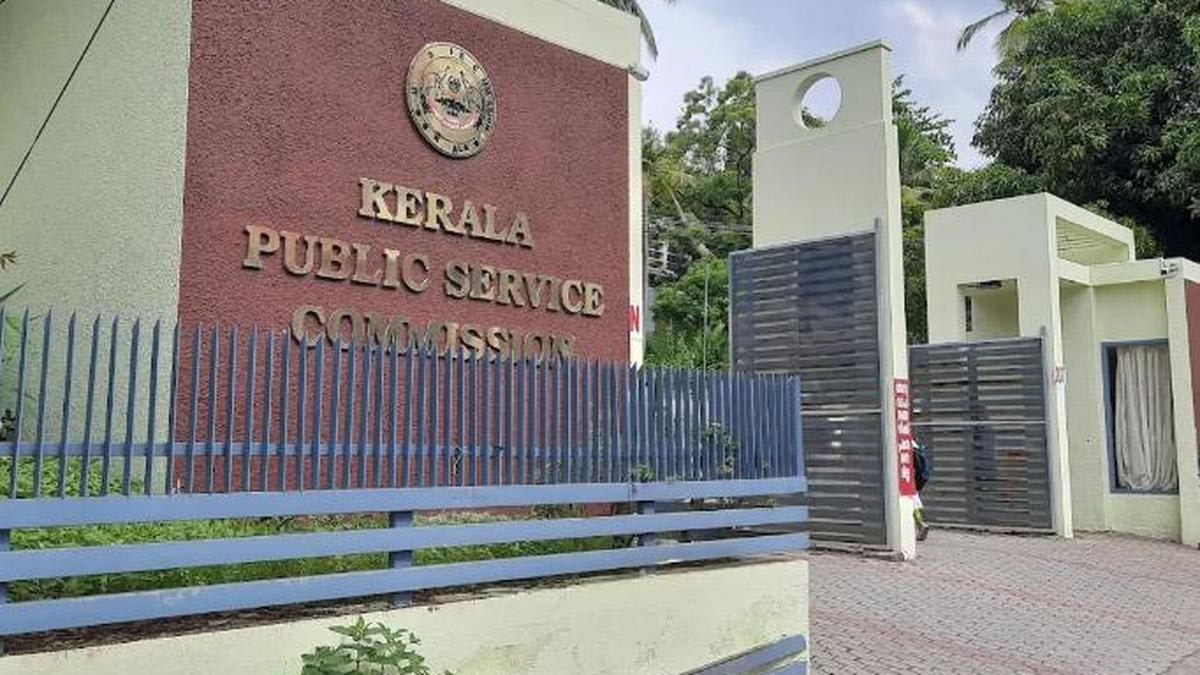
Kerala PSC chairperson M.R. Baiju has again refused to appear before the Crime Branch for questioning regarding alleged exam irregularities. He insists on waiting for the Kerala High Court's ruling on his petition challenging the investigation.
The Standoff: M.R. Baiju and the Kerala Crime Branch
The ongoing investigation into the Kerala Public Service Commission (PSC) has reached a critical impasse as Chairperson M.R. Baiju has once again declined to appear before the Crime Branch Special Investigation Team (SIT). This refusal, occurring on November 10, marks a significant escalation in the tensions between the constitutional body and law enforcement agencies tasked with probing alleged irregularities in senior-level State Planning Board examinations.
The Legal Strategy
At the heart of Mr. Baiju’s refusal is a calculated legal strategy rooted in the principle of sub judice. By formally communicating his decision to wait for the Kerala High Court’s verdict on his petition, Baiju is effectively challenging the jurisdictional scope of the Crime Branch investigation. His stance suggests a belief that the ongoing probe may overstep the procedural boundaries governing the PSC, a body designed to function with autonomy in the recruitment of state civil servants.
Implications for Institutional Integrity
The PSC occupies a sacred role in the administrative framework of Kerala, serving as the gatekeeper for merit-based public service. Allegations of irregularities in senior posts within the State Planning Board strike at the core of public trust in this institution. When a high-ranking official faces a criminal investigation, it creates a vacuum of accountability that can destabilize the recruitment process and undermine the morale of thousands of aspirants who rely on the PSC’s impartiality.
Investigatory Challenges
The Crime Branch SIT, having directed Baiju to appear at the state capital headquarters, now faces a procedural hurdle. By choosing not to cooperate until the judiciary intervenes, the PSC chairperson has forced the investigators into a defensive position. The SIT is now expected to apprise the Kerala High Court of this non-compliance, effectively shifting the burden of resolution from an investigative setting to a judicial one.
Future Trajectory and Judicial Oversight
As the situation unfolds, the upcoming ruling from the Kerala High Court will serve as a pivotal precedent. If the court upholds the validity of the Crime Branch probe, it may compel the chairperson to testify, potentially leading to further revelations regarding the examination processes in question. Conversely, if the court finds merit in the petition, it could significantly curtail the investigative reach of the state police into PSC affairs, fundamentally altering how oversight is conducted for constitutional bodies in the state.
Conclusion
Ultimately, this standoff is more than a procedural disagreement; it is a test of the balance between executive investigative power and the independence of constitutional commissions. The resolution of this matter will determine not only the outcome of the specific allegations regarding the State Planning Board but also the future standards of transparency and accountability expected of high-ranking public officials in Kerala.
Verification Required?