Month after Benz hit-and-run, Kerala seeks changes to law that protects minor accused
Source Entity
Shaju Philip
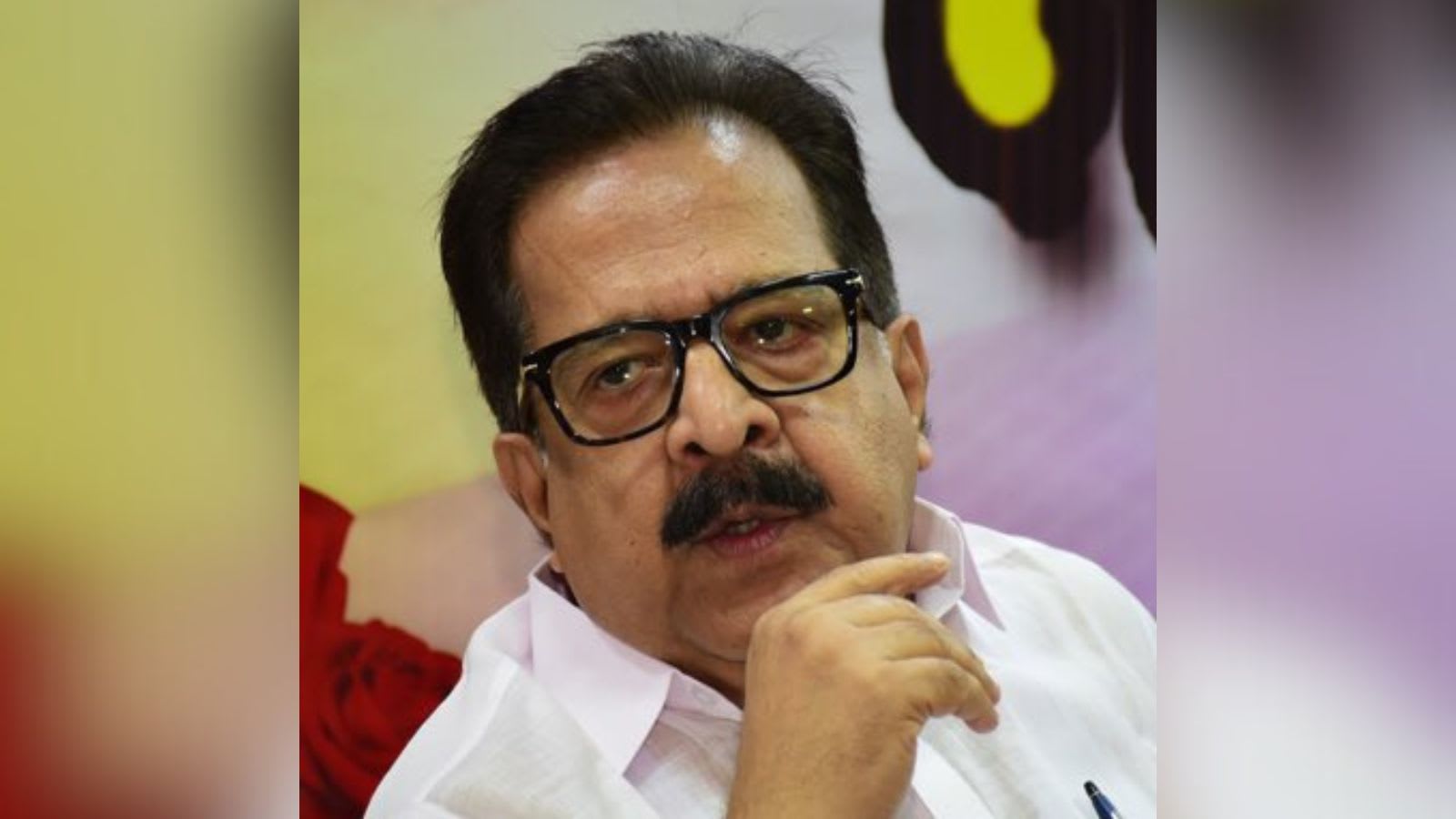
Kerala Home Minister Ramesh Chennithala has urged the Union Government to amend the Juvenile Justice Act following a fatal hit-and-run involving a minor. The move seeks to address public outcry over legal protections for minors involved in serious, violent crimes.
Rethinking Juvenile Justice: The Kerala Initiative
Recent incidents in Kerala, most notably a high-profile hit-and-run case in Kochi involving a 17-year-old driving a Mercedes-Benz, have ignited a fierce debate regarding the adequacy of the Juvenile Justice (Care and Protection of Children) Act, 2015. The tragic death of a scooter rider at the hands of a minor driver has served as a catalyst for legislative scrutiny, prompting Kerala Home Minister Ramesh Chennithala to formally petition the Union Ministry of Home Affairs and the Ministry of Women and Child Development for urgent legal reforms.
The Catalyst: Accountability and Public Outcry
The incident in Kochi, which involved the son of a district judge, brought the complexities of the current legal framework into sharp focus. Under the existing Act, minors are often afforded significant protections intended to facilitate rehabilitation rather than punitive incarceration. However, when such protections are perceived as shielding perpetrators of serious, violent crimes from commensurate accountability, they face intense public scrutiny. This specific case highlighted a growing sentiment that the current law may be failing to serve justice in instances where minors commit acts of extreme negligence or violence.
Bridging the Legislative Gap
Minister Chennithala’s correspondence with Union Minister Amit Shah and Minister Annapurna Devi underscores a perceived disconnect between the Act’s original intent—protecting the welfare and rights of children—and the evolving reality of modern criminal activity involving minors. The argument presented suggests that while the law remains crucial for protecting vulnerable youth, it currently lacks the necessary sensitivity to the severity of violent offenses. The state government is essentially proposing a recalibration of the law to ensure that justice is not compromised by the categorical protection of minor status.
Broader Implications for Indian Jurisprudence
This demand for reform is not merely a regional issue but a reflection of a wider national conversation regarding the age of criminal responsibility in India. As crimes involving teenagers become more frequent and severe, the legal system faces the challenge of balancing child rights with public safety and victim justice. By pushing for amendments, the Kerala government is challenging the status quo, potentially setting a precedent for a more nuanced approach where the nature of the crime dictates the legal response more heavily than the age of the perpetrator alone.
Future Trends and Judicial Evolution
The outcome of this request will likely influence how India handles juvenile delinquency in the coming decade. If the Union government proceeds with amendments, we may see a shift toward a more tiered legal system that treats heinous crimes by older minors with greater severity. This could involve stricter trials for juveniles in cases of fatal negligence or violent intent, moving away from a blanket application of the existing rehabilitation-focused model.
Concluding Summary
The move by the Kerala Home Minister signals a critical shift in the political and social discourse surrounding the Juvenile Justice Act. By focusing on the intersection of public safety and legislative reform, the state is demanding that the Union government re-examine the balance between protecting minors and ensuring that victims of fatal crimes receive justice. Whether this leads to immediate legislative changes or a prolonged period of debate, it remains a pivotal moment for child rights and criminal justice policy in India.