Dollar flat after data as focus shifts to Jackson Hole
Source Entity
Yahoo Finance
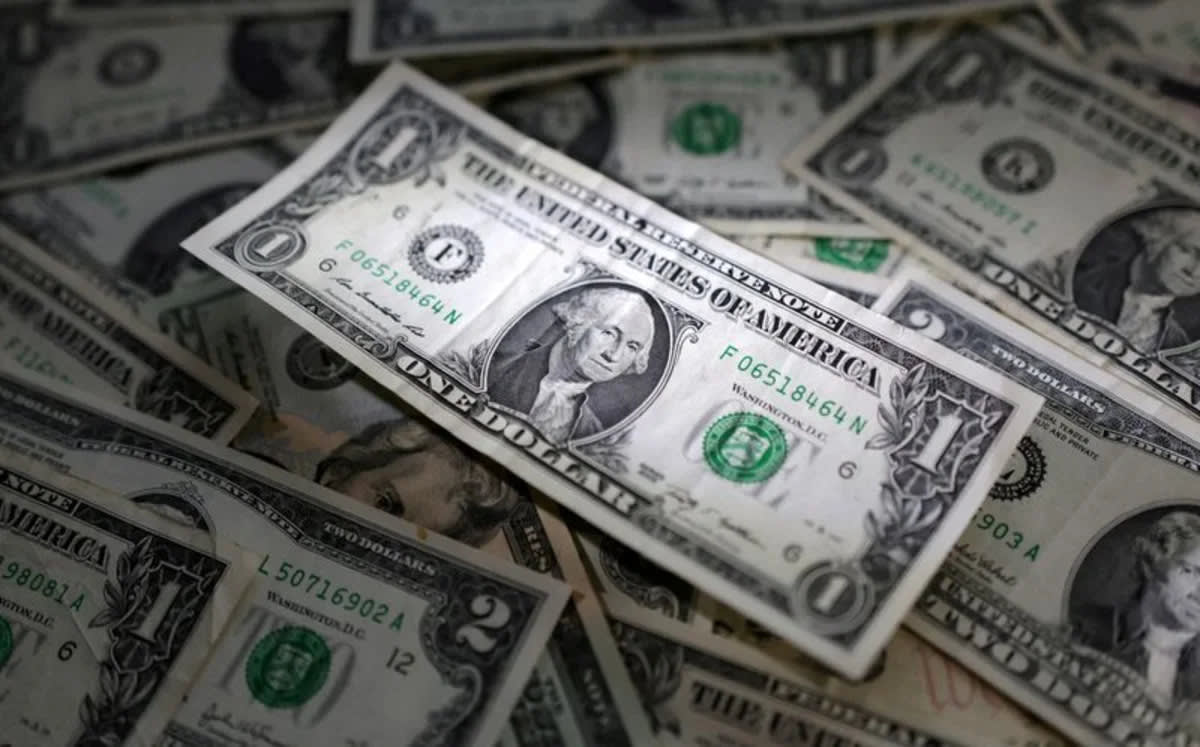
Federal Reserve Chair Kevin Warsh faces intense scrutiny at the Jackson Hole symposium as he attempts to build credibility with markets and colleagues. A visible policy divide has emerged between Warsh and Treasury Secretary Scott Bessent regarding market intervention and inflation control.
The Jackson Hole Pivot: Kevin Warsh’s Credibility Test
As the financial world turns its attention to the annual Jackson Hole symposium, the spotlight is firmly fixed on Federal Reserve Chairman Kevin Warsh. In his nascent tenure, Warsh has struggled to gain the full confidence of his fellow central bankers and the broader investor community. This skepticism is rooted in concerns regarding his specific strategies for curbing inflation and the perceived proximity of his policy leanings to the White House. The upcoming address serves as a critical juncture for Warsh to define his independence and set a coherent vision for the Federal Reserve’s path forward.
The Warsh-Bessent Policy Divergence
A central theme emerging in current U.S. financial policy is the growing friction between Chairman Warsh and Treasury Secretary Scott Bessent. The two officials appear to be at odds over the fundamental question of how active policymakers should be in determining the 'price of money.' While the Federal Reserve under Warsh has signaled a desire to retreat from traditional communication frameworks—favoring a strategy where market forces do more of the heavy lifting—Secretary Bessent has adopted a more interventionist stance. Bessent’s recent deployment of unconventional tools, such as the decision to double the size of quarterly repurchases of longer-dated bonds, highlights this strategic chasm.
Market Volatility and Treasury Dynamics
The dollar has remained relatively flat following recent economic data releases, reflecting a cautious 'wait-and-see' approach from market participants. Investors are looking to Jackson Hole for clarity on whether the Fed will allow higher Treasury yields to perform the work of monetary tightening or if further direct action is required. The recent rebound in the dollar, following Bessent’s announcements on bond repurchases, underscores the sensitivity of the markets to the Treasury’s efforts to mitigate borrowing costs. However, these efforts have sparked significant debate regarding their long-term efficacy.
The Fiscal Deficit Elephant in the Room
Many analysts and portfolio managers remain skeptical that the current tug-of-war between the Fed and the Treasury will yield sustainable results without addressing the underlying U.S. fiscal deficit. The administration's push to contain long-term borrowing costs is viewed by many as a stopgap measure that ignores the structural pressures of the sprawling deficit. Without concrete fiscal reform, the divergence between Warsh’s hands-off philosophy and Bessent’s active management may lead to continued market instability.
Future Implications for Monetary Policy
Looking ahead, the success of the current administration’s economic agenda hinges on whether Warsh can reconcile his communication strategies with the market’s need for predictability. If Warsh fails to convince his colleagues and the public that his approach to inflation is both robust and independent of political influence, the volatility seen in recent weeks may intensify. The Jackson Hole symposium is not merely a forum for academic discussion; it is the stage upon which the future of U.S. monetary policy will be tested against the reality of fiscal constraints.
Multiple Citing Sources