Nexteq’s Densitron enters automotive market with EV display contract
Source Entity
Yahoo Finance
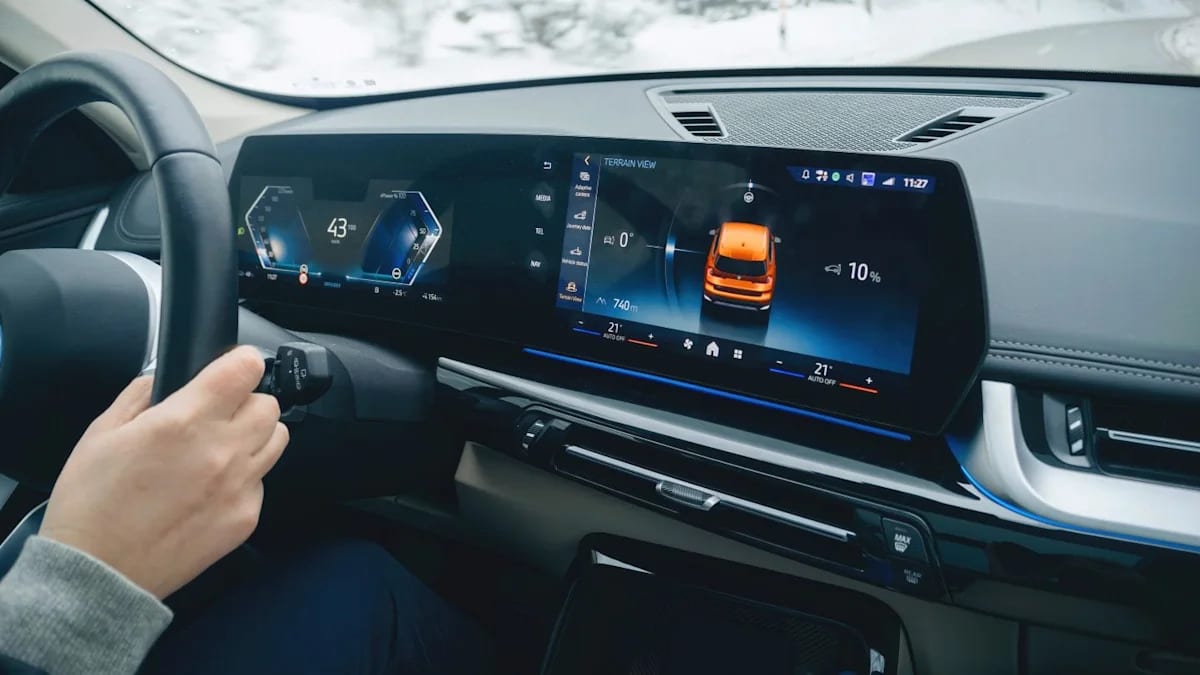
Nexteq’s Densitron has officially entered the automotive sector by securing a contract for electric delivery vehicle displays. The project, slated for 2026 production, signals a strategic pivot toward high-value, customized engineering solutions.
Nexteq’s Strategic Pivot: Entering the Automotive Sector
Nexteq, through its subsidiary Densitron, has officially announced its entry into the automotive industry by securing a significant contract to provide customized display solutions for an electric delivery vehicle (EDV) program. This move marks a pivotal shift for the company, which is leveraging its established engineering expertise to capture a foothold in the rapidly evolving electric vehicle (EV) supply chain. By partnering with a leading supplier of automotive electronics, Nexteq is positioning itself as a critical tier-two provider in the mobility sector.
Engineering Tailored Solutions for EV Platforms
The contract focuses on the technical refinement and engineering of display interfaces, a domain where Densitron has historically demonstrated proficiency. Unlike standardized off-the-shelf components, this project requires bespoke engineering to meet the specific interface requirements of the customer’s electric vehicle platform. Such customization is increasingly vital in the automotive industry, where manufacturers are prioritizing intuitive Human-Machine Interfaces (HMI) to manage the complex data streams inherent in modern electric fleets.
Timeline and Scaling Expectations
According to the official filing, production for this initiative is scheduled to commence in the second half of fiscal 2026. While the initial deployment represents the start of the engagement, the company has indicated that volumes are expected to "materially increase" over the subsequent three years. This phased ramp-up suggests that the customer views this display technology as a scalable component of their broader product rollout, providing Nexteq with a predictable long-term revenue stream as the market for electric delivery vehicles expands.
Strategic Implications and Market Positioning
This design win serves as a proof-of-concept for Densitron’s ability to pivot its core competencies into higher-value industrial applications. By transitioning from general industrial displays to the stringent, high-reliability requirements of the automotive market, Nexteq is effectively diversifying its portfolio. This shift is essential for companies looking to mitigate risks associated with cyclical industrial demand by tapping into the aggressive growth forecasts of the global EV transition.
Future Trends in Automotive HMI
The broader trend in automotive design is the integration of more sophisticated, high-definition digital interfaces. As delivery vehicles become more "connected" and reliant on software-defined architectures, the demand for reliable, customized display hardware will only grow. Nexteq’s entry into this space suggests they are positioning themselves to capitalize on the electrification of last-mile delivery fleets, a segment that requires robust, high-performance display technology to ensure driver safety and operational efficiency.
Conclusion
In summary, Nexteq’s contract for electric delivery vehicle displays represents a calculated expansion into the automotive sector. By focusing on specialized engineering rather than commoditized hardware, the company is building a sustainable niche. With production set for 2026 and significant volume growth anticipated thereafter, this contract serves as a cornerstone for Nexteq’s long-term growth strategy in the high-stakes automotive electronics market.