'It was like a pack of dogs': Australia's Khawaja recalls racial abuse at Lord's
Source Entity
JYOTIRMOY HALDER
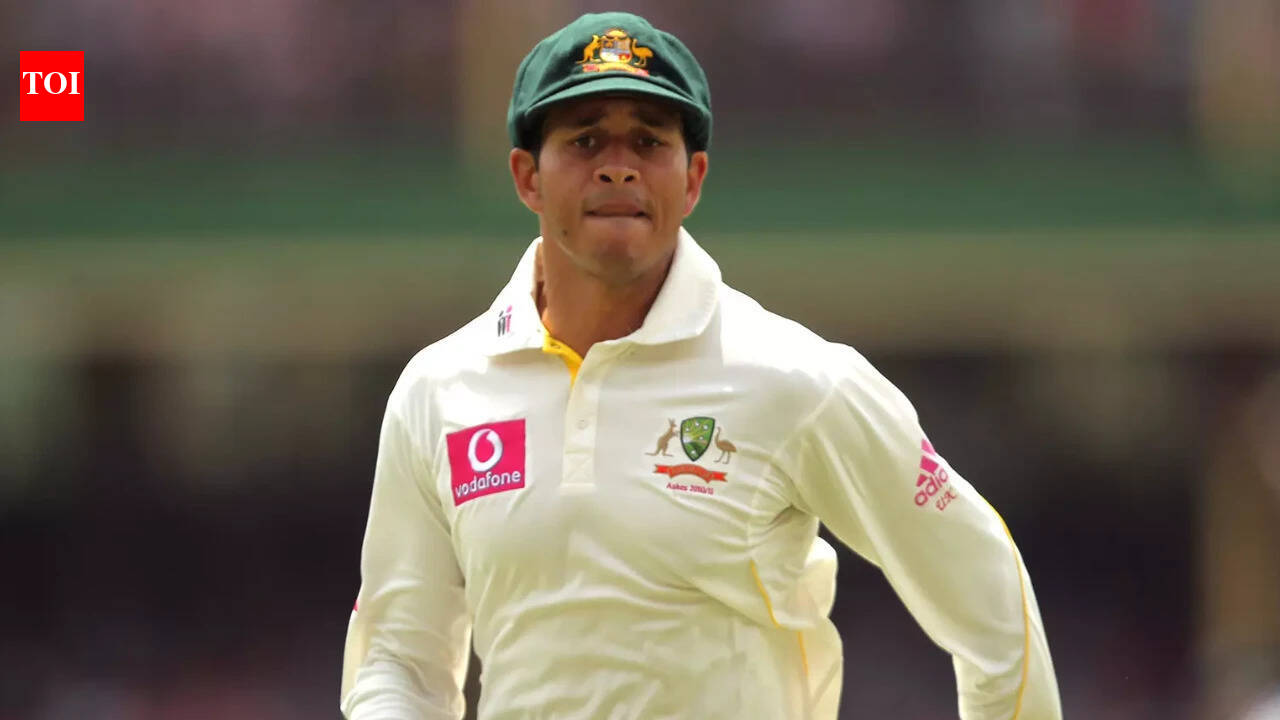
Usman Khawaja's new autobiography 'Sabr' has reignited the 2018 'Sandpapergate' scandal by alleging the practice was widespread. The claims have drawn Mitchell Starc into the debate and prompted a complex reaction from Alyssa Healy, while Cricket Australia remains focused on moving forward.
The Resurgence of the Sandpapergate Controversy
The Australian cricketing landscape is currently navigating a period of intense introspection following explosive revelations in Usman Khawaja’s new autobiography, Sabr. The book has brought the infamous 2018 ball-tampering scandal—colloquially known as 'Sandpapergate'—back into the public consciousness. By alleging that the use of sandpaper was not an isolated incident in Cape Town but rather a practice that occurred during the second Test in Port Elizabeth, Khawaja has challenged the long-standing narrative surrounding the team's conduct during that series.
Khawaja’s Claims and the Port Elizabeth Connection
Khawaja’s account details a specific session in Port Elizabeth where he observed Cameron Bancroft working on the ball. He recalls the ball displaying such significant reverse swing that he felt even he could have manipulated it, describing the movement as "ridiculous." These claims suggest a systemic issue that predated the high-profile incident in Cape Town, forcing the cricketing world to reconsider the extent of the knowledge held by the broader Australian squad during that period.
The Impact on Mitchell Starc and Alyssa Healy
As these allegations circulate, the spotlight has turned toward Mitchell Starc, whose involvement and awareness have been questioned in light of Khawaja's assertions. Starc has defended his previous statements, refuting the implications of Khawaja's claims. His wife, former Australian women’s captain Alyssa Healy, has expressed feeling "slightly conflicted" by the renewed focus on the scandal. Her perspective highlights the personal toll such controversies take on the families of players who are thrust back into the center of a historical storm.
Broader Implications for Australian Cricket
Beyond the specific allegations of ball tampering, Khawaja’s autobiography also addresses his experiences with racial abuse during the 2023 Ashes Test at Lord’s. By linking his personal experiences of hostility to the broader culture within the game, Khawaja is challenging the sport to address both its ethical standards and its commitment to inclusivity. The fact that his claims have drawn sharp reactions from peers underscores a deep division regarding how the sport’s history should be documented and remembered.
Cricket Australia’s Stance and Future Trends
In response to these developments, Cricket Australia appears largely disinclined to reopen formal investigations into 2018, preferring to focus on future endeavors. This strategy reflects a broader trend in professional sports organizations to manage reputational crises by prioritizing forward-looking agendas over exhaustive audits of past failures. However, as players continue to publish candid memoirs, the ability of organizations to 'close the book' on controversial chapters remains increasingly limited.
Conclusion
The renewed debate over Sandpapergate serves as a reminder that historical scandals in professional sports rarely stay buried when the participants themselves choose to revisit them. Whether these revelations lead to a shift in how the era is viewed or simply solidify existing divisions, the conversation has undoubtedly changed. For cricket fans and officials alike, the challenge lies in balancing the desire for transparency with the need for the sport to progress beyond the baggage of its most turbulent years.
Multiple Citing Sources