These 6 kitchen staples can help boost iron—but how you eat them matters
Source Entity
The Indian Express
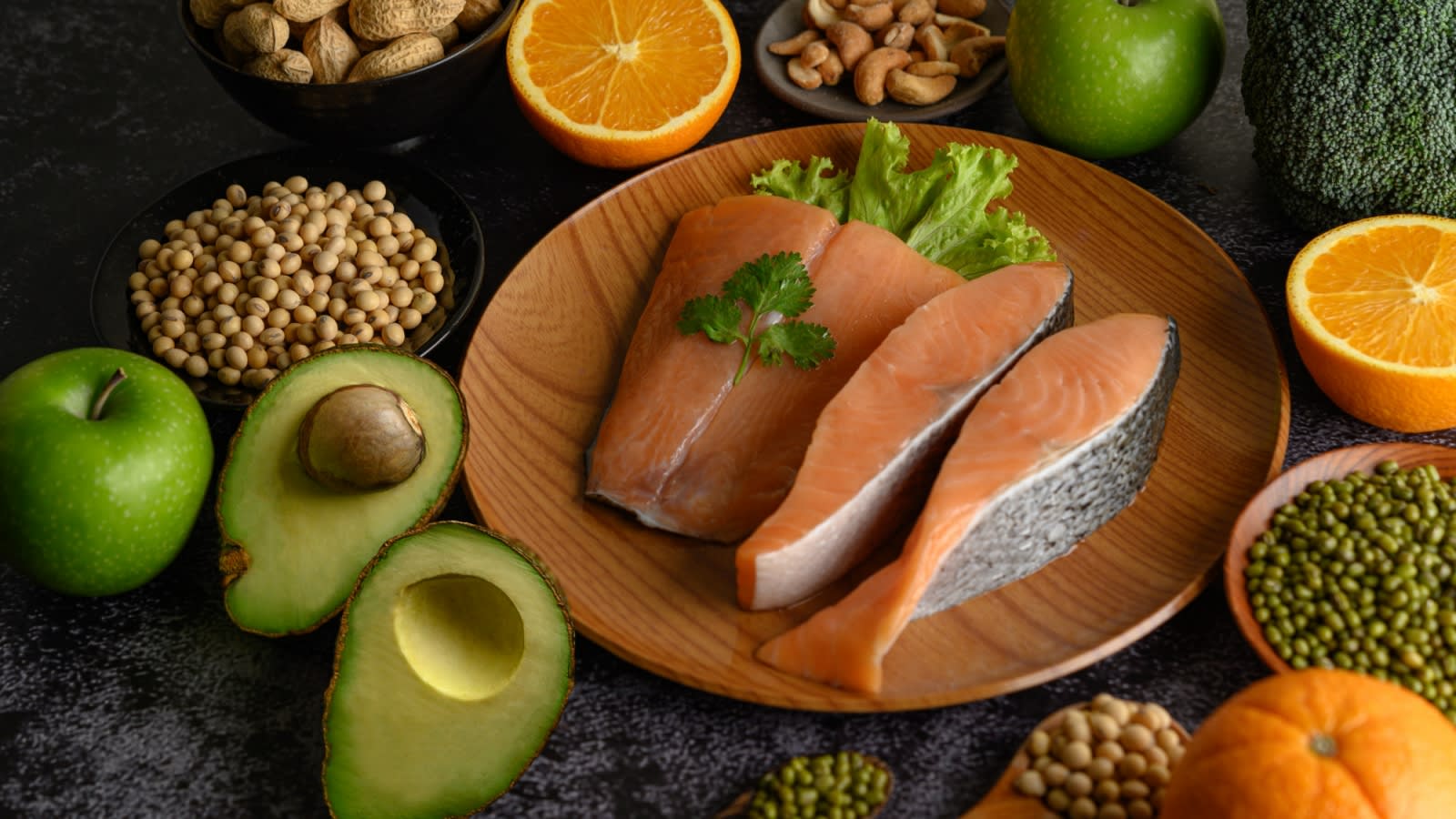
Nutritionist Shweta Shah recommends six iron-rich kitchen staples, but experts clarify that absorption depends on more than just total intake. Effective iron supplementation requires understanding bioavailability and dietary combinations.
The Complexity of Iron Bioavailability: Beyond Simple Addition
Recent guidance from nutritionist Shweta Shah has highlighted a potential dietary strategy for boosting iron intake. By advocating for a combination of haleem (garden cress) seeds, black chana, pumpkin seeds, black raisins, curry leaves, and black sesame seeds, Shah suggests that individuals can naturally target a daily intake of 21 mg of iron. These ingredients are traditional staples in many households, often recognized for their nutrient density and role in supporting healthy haemoglobin levels.
The Arithmetic vs. The Biological Reality
While the mathematical sum of iron in these foods may reach the 21 mg threshold, medical experts like Consultant Dietician Kanikka Malhotra emphasize that nutritional science is rarely linear. Consuming 21 mg of iron does not equate to 21 mg of absorption. The body processes iron through complex physiological pathways that are heavily influenced by the chemical form of the iron—heme versus non-heme—and the presence of other compounds in the digestive tract.
Inhibitors and Enhancers: The Role of Dietary Synergy
Understanding how to eat these staples is just as important as eating them. Plant-based sources of iron, such as the seeds and legumes listed, contain non-heme iron, which is generally less bioavailable than the heme iron found in animal products. The absorption of this non-heme iron can be significantly inhibited by substances like tannins in tea or phytates in grains. Conversely, pairing these iron-rich staples with Vitamin C-rich foods can drastically improve the body's ability to uptake iron.
Historical and Cultural Context
These six staples—haleem, black chana, pumpkin seeds, raisins, curry leaves, and black sesame—have deep roots in traditional dietary practices. Historically, these foods have been used to combat fatigue and anemia in various cultures. By modernizing these recommendations, experts are bridging the gap between ancestral knowledge and contemporary nutritional science, though they caution that individual health profiles and metabolic needs must be considered.
Broader Implications for Public Health
Anemia remains a significant global health concern, particularly in regions where plant-based diets are the primary source of nutrition. Providing accessible, kitchen-based solutions is a vital step in public health education. However, as Malhotra notes, the focus must shift from merely tracking the 'iron content' on a label to understanding the 'bioavailability' of the diet. This shift in perspective is essential for those attempting to address iron deficiency through food alone.
Conclusion: A Balanced Approach
While integrating these six staples into a daily diet is a positive step toward better nutrition, it should not be viewed as a standalone cure for clinical iron deficiency. A truly effective strategy involves a holistic view of the diet, including the strategic pairing of foods to maximize absorption and regular consultation with healthcare professionals to monitor hemoglobin levels accurately.