Kochi Corporation to update tree registry after row over unauthorised felling
Source Entity
India Latest News: Top National Headlines Today & Breaking News | The Hindu
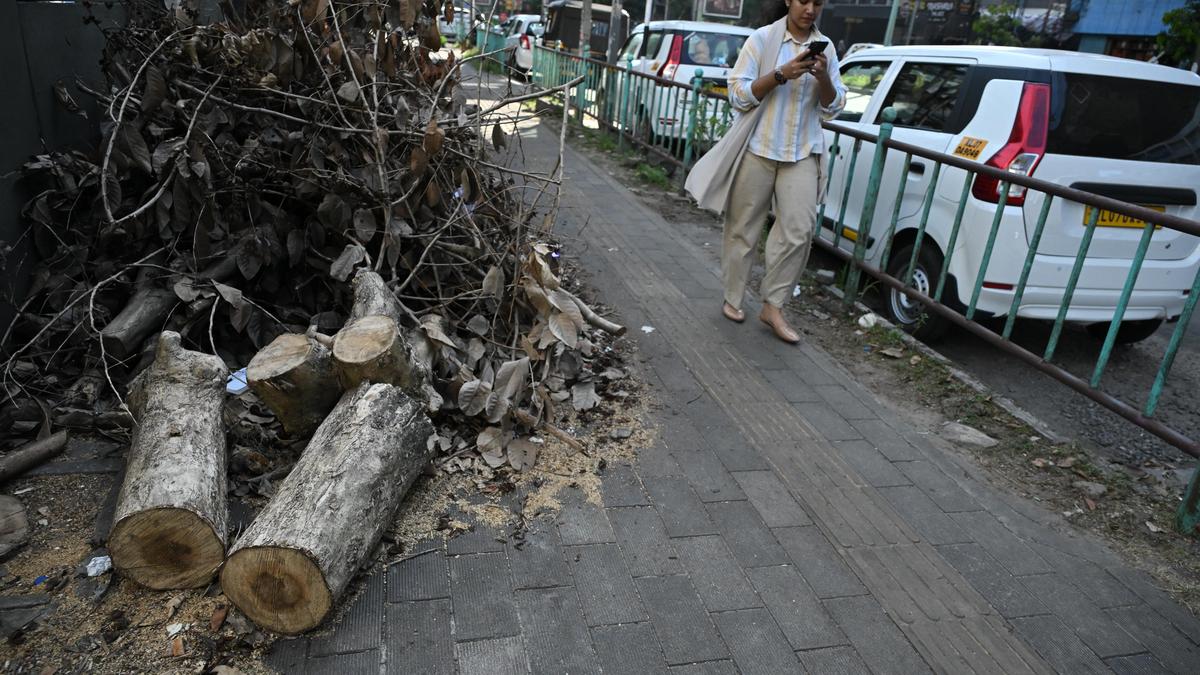
The Kochi Corporation is updating its official tree registry following the unauthorized felling of trees near Changampuzha Park. This initiative aims to improve legal enforcement and protect urban greenery during upcoming infrastructure projects.
Strengthening Urban Green Governance in Kochi
The Kochi Corporation has initiated a critical update to its tree registry, a database tracking trees located in public spaces within the city's jurisdiction. This move, prompted by the integration of environmental management into the upcoming footpath renovation project, marks a significant shift toward more robust urban planning. By formalizing the documentation of public trees, the municipal body hopes to prevent further instances of illegal clearing that threaten the city's ecological footprint.
The Catalyst for Reform: Accountability Gaps
The immediate impetus for this administrative overhaul stems from an alarming incident near Changampuzha Park in Edappally, where a private firm allegedly felled three trees without authorization. Despite formal complaints from the Corporation secretary and local councillors, the Elamakkara police have reportedly declined to register a case, citing a lack of specific identification data—such as official tree numbers and names—as a barrier to prosecution. This bureaucratic deadlock highlights the vulnerabilities in the current system, where the absence of granular data prevents law enforcement from effectively protecting public assets.
Historical Context of Tree Censuses
Kochi’s journey with environmental documentation began in 2010, when the first tree census was conducted under the joint aegis of the Centre for Heritage, Environment and Development. This was followed by a subsequent census in 2019. While these periodic surveys provided a snapshot of the city's green cover, the current situation demonstrates that static data is insufficient for real-time legal protection. The transition toward a dynamic, numbered registry is a necessary evolution to ensure that environmental policies remain enforceable in a rapidly developing urban environment.
Operationalizing Protection
Mayor V.K. Minimol has confirmed that the new registry will be comprehensive, ensuring that every tree in a public space is numbered and cataloged. This level of detail is intended to bridge the communication gap between municipal authorities and the police, ensuring that any future unauthorized felling can be prosecuted with the necessary evidentiary backing. This systematic approach effectively transforms a static inventory into a functional legal tool for environmental conservation.
Broader Implications for Urban Development
As Kochi moves forward with its footpath renovation project, the integration of an updated tree registry serves as a model for balancing infrastructure development with ecological stewardship. By digitizing and formalizing the status of trees, the Corporation is not only protecting existing greenery but also setting a precedent for transparency in urban governance. This proactive stance is essential for maintaining the city's liveability as it continues to modernize its public infrastructure.
Future Outlook
Looking ahead, the success of this registry update will likely depend on the Corporation's ability to maintain real-time data accuracy and ensure inter-departmental cooperation. If implemented successfully, this registry could serve as a blueprint for other urban centers facing similar challenges regarding unauthorized deforestation and the enforcement of environmental laws. Ultimately, the move represents a vital step in securing the future of Kochi’s urban canopy against the pressures of unchecked development.
Verification Required?