Virginia widow saved Frank Lloyd Wright home by moving it 13 miles
Source Entity
TOI WORLD DESK
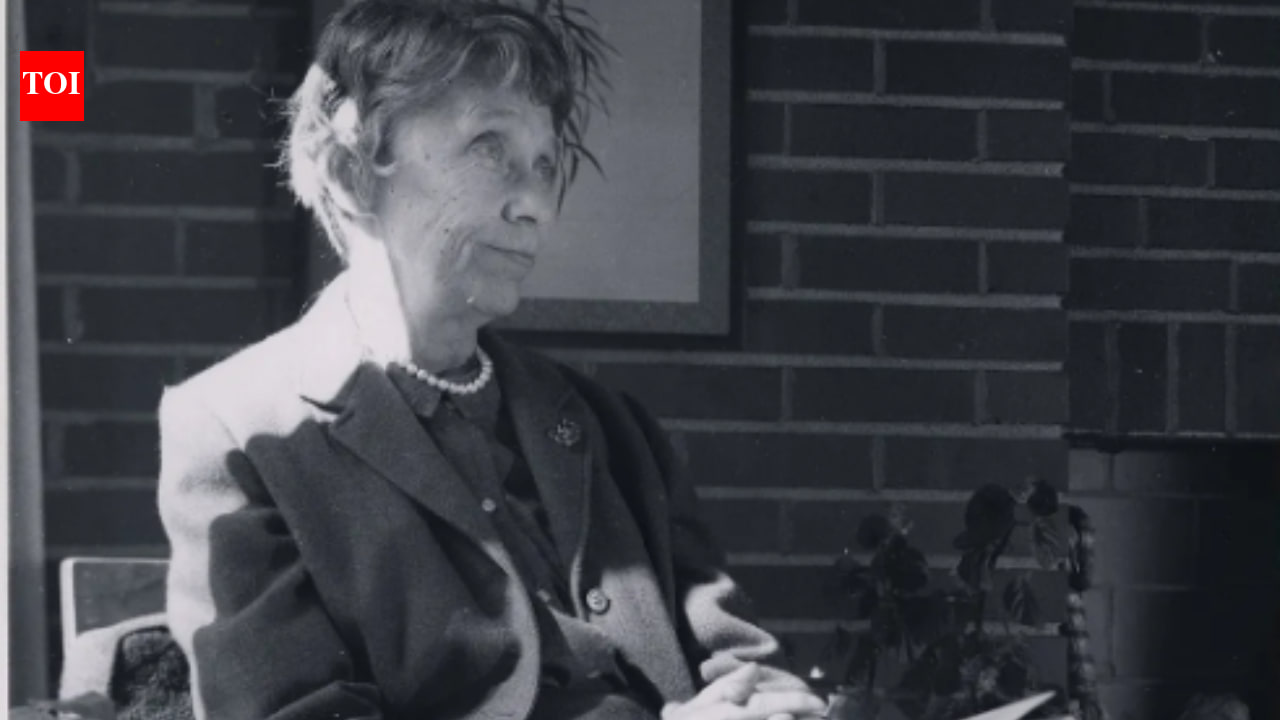
Marjorie Leighey successfully saved the historic Pope-Leighey House from destruction during the construction of Interstate 66. By orchestrating its relocation 13 miles to the Woodlawn property, she preserved a significant piece of Frank Lloyd Wright's architectural legacy.
The Preservation of the Pope-Leighey House: A Legacy Saved
Origins of an Architectural Icon
The story of the Pope-Leighey House began in 1939, when journalist Loren Pope reached out to the legendary architect Frank Lloyd Wright with a heartfelt plea for a home designed for his family. Wright, known for his commitment to 'Usonian' architecture—a style aimed at providing affordable, high-quality, and organic homes for the average American—delivered a masterpiece of geometric efficiency. Located in Falls Church, Virginia, the 1,200-square-foot residence became a landmark of modern design, reflecting the deep connection between the built environment and the natural landscape.
The Threat of Infrastructure Expansion
Decades later, the architectural gem faced an existential threat due to the rapid expansion of federal infrastructure. The planned construction of Interstate 66 threatened to raze the property, putting it in the path of progress that prioritized highway development over cultural heritage. This tension between modern urban development and historical preservation is a recurring theme in mid-20th-century American history, where the push for modernization often disregarded the intrinsic value of architectural landmarks.
Marjorie Leighey’s Valiant Campaign
Following the death of her husband, Marjorie Leighey found herself at the center of a monumental battle to save her home. At 57, she became the primary advocate for the property, mobilizing preservationists, engaging the public, and challenging the inevitability of the state’s highway plans. Her leadership turned what could have been a private loss into a public cause, highlighting the power of individual agency in the face of bureaucratic encroachment.
The Logistics of Relocation
To secure the future of the house, Leighey oversaw an unprecedented logistical feat: the dismantling, relocation, and reconstruction of the home. Moving the structure 13 miles from its original site in Falls Church to the Woodlawn property in Alexandria was a landmark achievement in historic preservation. This process required meticulous care to ensure the structural integrity of Wright’s original vision remained intact, effectively proving that even mid-century modern structures could be saved through ingenuity and sheer determination.
A Lasting Cultural Impact
Sixty years after its reconstruction at Woodlawn, the Pope-Leighey House remains a testament to the success of grassroots preservation. Now under the stewardship of the National Trust for Historic Preservation, the house serves as an educational site, offering visitors a glimpse into Wright's philosophy and the resilience of the woman who fought to keep it standing. Leighey’s legacy is not just the house itself, but the broader precedent she set for valuing architectural treasures in the path of modern development.