US-Iran peace deal: Tehran says ‘got US response on proposal’; Araghchi ‘told to leave’ after ‘talks failed’ in New York
Source Entity
Latest News: Todays Latest News Headlines from India & World | Hindustan Times | Hindustan Times
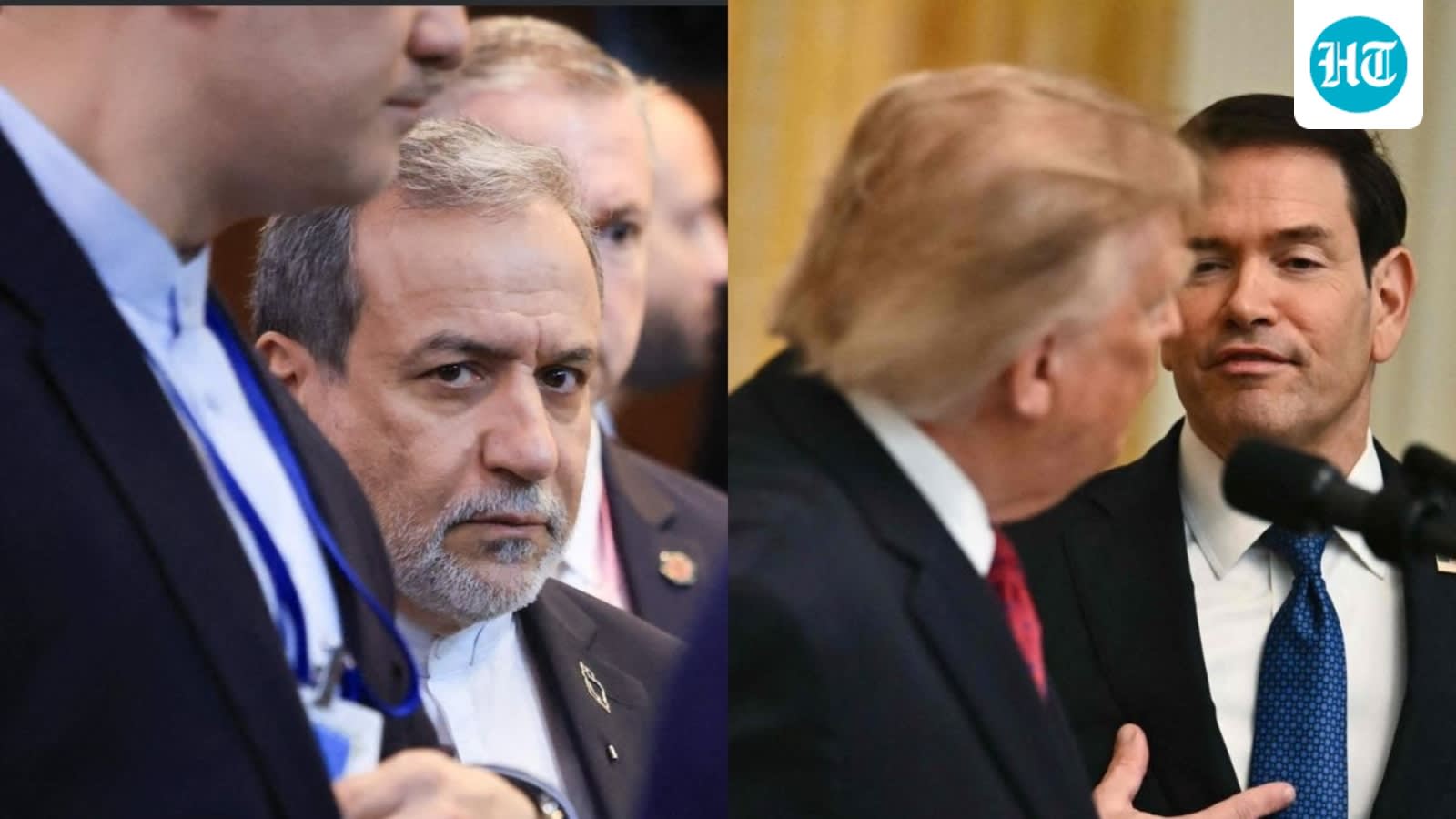
US Secretary of State Marco Rubio has ordered an Iranian delegation to leave the US following the collapse of peace negotiations during the UN General Assembly. Despite conflicting signals from the Trump administration regarding future talks, the diplomatic deadlock persists.
The Diplomatic Breakdown in New York
The recent conclusion of the 81st United Nations General Assembly (UNGA) has been marked by a significant escalation in tensions between Washington and Tehran. Following the failure of high-level negotiations, US Secretary of State Marco Rubio has officially ordered the Iranian delegation, led by Araghchi, to depart the United States. This move, framed as the delegation having 'overstayed their welcome,' signals a sharp cooling of diplomatic channels after a period of intense, albeit unsuccessful, attempts to broker a peace deal.
Conflicting Signals from the White House
The situation remains characterized by a confusing array of public messaging from the Trump administration. While President Donald Trump publicly dismissed Iran’s latest proposal just days ago, his subsequent comments to Axios suggested a continued openness to negotiations. This disconnect between the President’s rhetoric and the administrative actions taken by Secretary Rubio creates a volatile environment for international diplomacy, leaving observers to question whether the rejection of the proposal is a tactical negotiation pivot or a definitive end to current peace efforts.
The Status of the Iranian Proposal
Central to the current impasse is the status of the proposal submitted by Tehran. Iran has officially indicated that it has received a response from the United States regarding their offer to end the ongoing conflict, and they are currently in the process of reviewing the document. This contradicts the public stance of the White House, which has maintained a narrative of rejection. The discrepancy suggests that while back-channel communications may persist, the formal diplomatic process is currently gridlocked.
Implications of the Expulsion
The decision to order the Iranian delegation out of New York carries substantial weight. By effectively ending the physical presence of Iranian negotiators on American soil immediately following the UNGA, the US is projecting a posture of firm resolve. This action serves to limit the ability of both nations to engage in spontaneous or informal discussions, which are often vital for breaking deadlocks in high-stakes international relations.
Future Trends and Regional Stability
Looking forward, the relationship between the US and Iran appears destined for a period of heightened uncertainty. As Tehran reviews the American response, the international community will be watching for any signs of a counter-offer or a total withdrawal from the negotiating table. The failure to secure a breakthrough during the UNGA suggests that the path to a peace deal is fraught with internal political pressures on both sides, making any future progress dependent on a significant shift in the current diplomatic strategy.
Verification Required?