Entry to 136-yr-old Kolkata airport mosque stopped indefinitely
Source Entity
TAMAGHNA BANERJEE AND SUBHRO NIYOGI
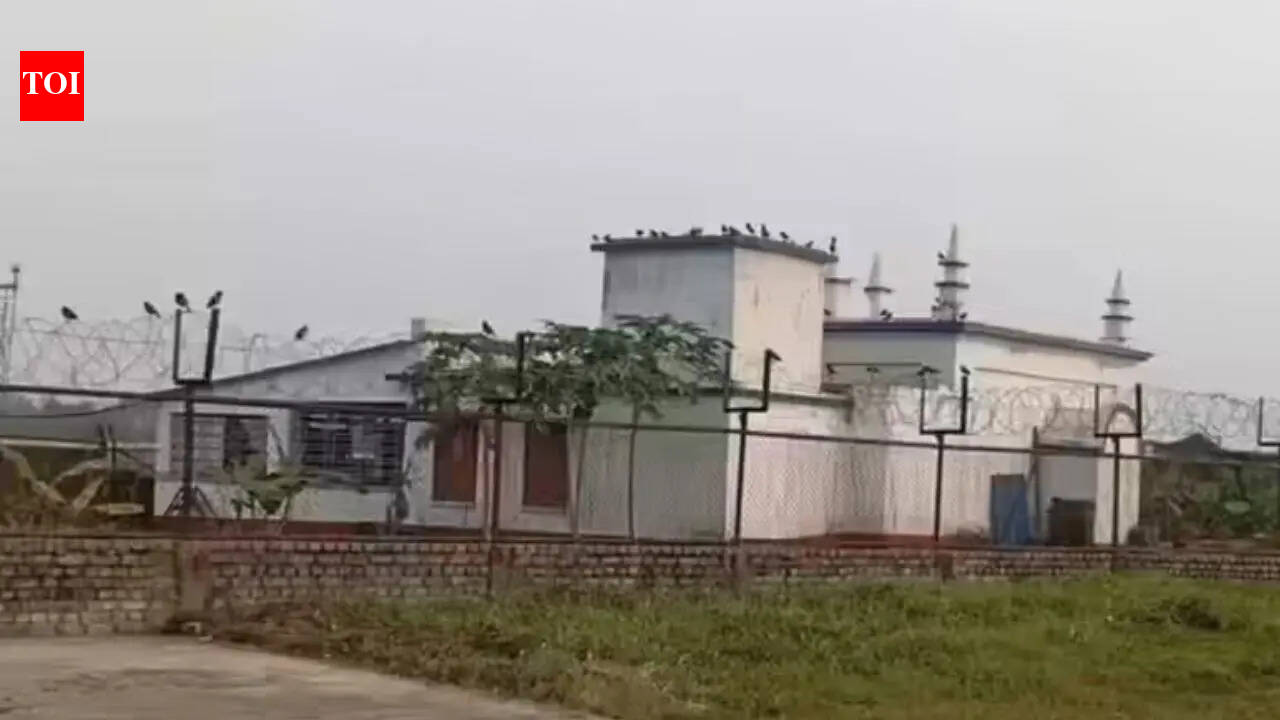
Kolkata airport authorities have indefinitely stopped entry to the Bankra mosque. Security concerns were raised by the Bureau of Civil Aviation Security regarding Aadhaar card access. Previous repairs to the approach road are now complete for devotees. Airport officials await new instructions on a potential pass system. Local leaders are seeking clarity and discussing community action.
Security vs. Heritage: The Closure of Bankra Mosque at Kolkata Airport
The recent decision by Kolkata airport authorities to indefinitely suspend entry to the 136-year-old Bankra mosque represents a complex clash between modern aviation security protocols and the preservation of long-standing religious traditions. The mosque, a historical landmark embedded within the airport's operational perimeter, has served as a place of worship for over a century. However, the Bureau of Civil Aviation Security (BCAS) has intervened, citing critical security vulnerabilities. This move highlights the increasing tension that arises when ancient urban landmarks are subsumed by the expanding footprints of high-security infrastructure like international airports.
The Security Impasse and Aadhaar Verification
At the heart of the dispute is the method of identity verification. The BCAS has raised specific concerns regarding the use of Aadhaar cards for granting access to devotees. In the high-stakes environment of aviation security, where perimeter breaches can have catastrophic consequences, the authorities are questioning whether current verification methods are sufficient to prevent unauthorized access to the airfield. The shift toward an "indefinite" stop suggests that the current security framework is deemed inadequate, necessitating a complete overhaul of how visitors are screened before entering the sensitive zone where the mosque is located.
Infrastructure Ironies and Administrative Limbo
One of the most striking aspects of this situation is the timing of the closure. Reports indicate that repairs to the approach road leading to the mosque have only recently been completed. This creates a paradoxical situation where the physical path for devotees has been restored, yet the legal and security gates remain closed. This disconnect suggests a lack of coordination between the public works departments managing the infrastructure and the security agencies managing the access, leaving the community in a state of administrative limbo while officials await new directives.
The Proposed Pass System and Bureaucratic Hurdles
To resolve the deadlock, airport officials are currently exploring the implementation of a formal pass system. This would likely involve a more rigorous vetting process than a simple Aadhaar check, potentially requiring police verification or permanent security clearances for regular worshippers. However, the transition to such a system involves significant bureaucratic hurdles, including the determination of who qualifies for a pass and how to manage the logistics of issuance without compromising the security of the airport's restricted areas.
Community Impact and Social Implications
Local community leaders have expressed significant concern and are actively seeking clarity on the duration of the ban. For the devotees, the mosque is not merely a building but a spiritual anchor with a 136-year history. The indefinite nature of the closure risks escalating into a larger social issue, as the community views the restriction as an infringement on their right to worship. The dialogue between community representatives and airport authorities will be crucial in preventing the situation from evolving into a broader conflict over religious access and state security.
Conclusion and Future Outlook
Ultimately, the resolution of the Bankra mosque crisis will likely serve as a precedent for other historical sites located within sensitive security zones across India. The most probable outcome is the adoption of a hybrid security model—combining biometric verification with a controlled pass system—that satisfies the BCAS's stringent requirements while restoring access to the faithful. Until such a system is formalized, the 136-year-old mosque remains a silent testament to the difficult balance between the imperatives of national security and the continuity of cultural heritage.