Taps run dry in Kolkata colony for 50 days; residents allege bias
Source Entity
India Latest News: Top National Headlines Today & Breaking News | The Hindu
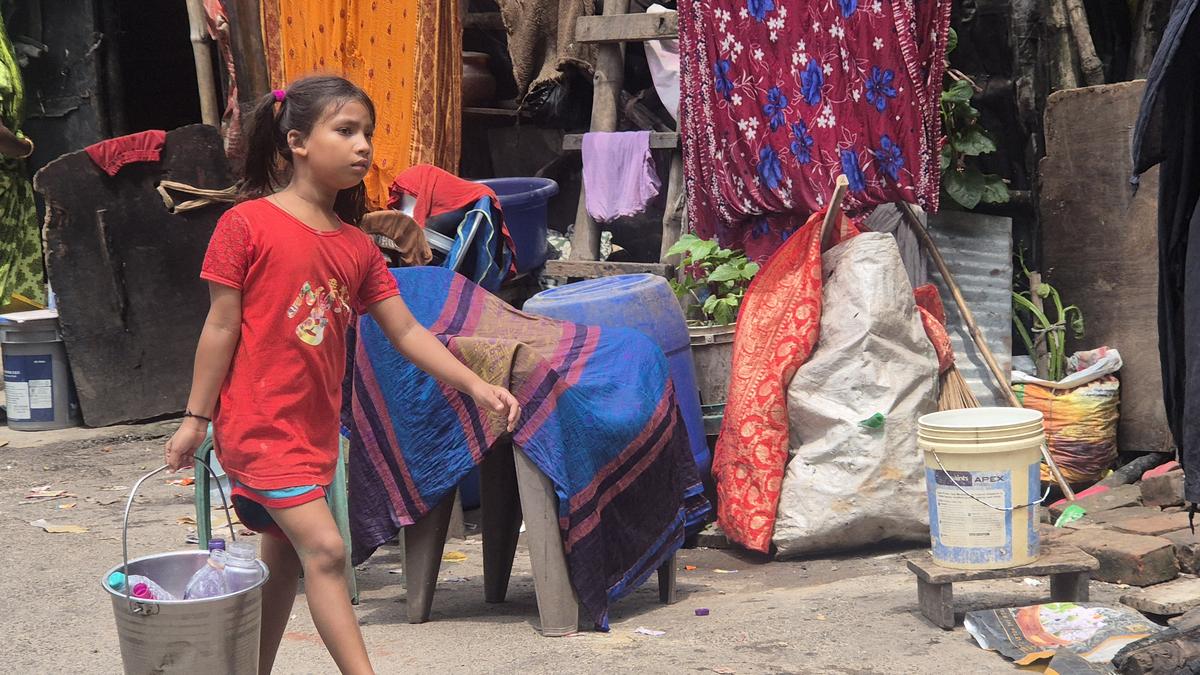
Residents of Jyoti Nagar in Kolkata have been without public water supply for over 50 days following KMC pipeline work. The community alleges the disconnection is a deliberate attempt to force them off the land.
The Water Crisis in Jyoti Nagar: A Humanitarian Concern
For 52 consecutive days, the residents of Jyoti Nagar colony in Kolkata’s Cossipore area have been grappling with a severe lack of access to drinking water. This crisis began on July 29, immediately following pipeline maintenance work conducted by the Kolkata Municipal Corporation (KMC). With five public taps that previously served approximately 5,000 residents now completely dry, the community is facing an escalating humanitarian challenge that underscores the vulnerability of informal settlements in urban environments.
The Allegation of Forced Displacement
The timing and nature of the water service disruption have led residents to allege that the outage is not a technical failure, but a strategic move. Located on the banks of the Ganges adjacent to the historic Cossipore Guns and Shells factory, the land occupied by Jyoti Nagar is a site of high interest. Residents contend that the KMC’s intervention was a calculated effort to force the community, which is predominantly composed of members of the Muslim community, to vacate the premises under the guise of infrastructure repair.
Historical Context and Urban Vulnerability
Kolkata's urban landscape is often defined by the tension between industrial heritage and the expansion of residential colonies. The Cossipore area, being home to colonial-era industrial infrastructure, places residents in a precarious position regarding land rights. When municipal services—which are fundamental human rights—are withdrawn without a clear timeline for restoration, it exacerbates the power imbalance between local authorities and marginalized groups, often serving as a precursor to displacement.
The Impact of Infrastructure Interruption
The reliance on five public taps indicates that the infrastructure in Jyoti Nagar is limited and essential for the survival of its 5,000 inhabitants. The cessation of water flow on July 29, following the observation of KMC laborers at the colony’s entry point, serves as the primary evidence cited by residents for their claims of deliberate bias. This disruption forces residents to seek alternatives, which are often costly or unhygienic, thereby impacting the health and economic stability of the entire ward.
Broader Implications for Civic Governance
This incident highlights a critical failure in civic communication and the equitable distribution of resources. If municipal work leads to a near-two-month outage, the lack of transparency from the KMC raises questions about accountability. The case of Jyoti Nagar serves as a microcosm for the broader struggles occurring in rapidly urbanizing Indian cities, where the intersection of land ownership disputes and public utility access frequently leads to social friction and the alienation of vulnerable populations.
Future Outlook and Necessary Resolutions
To resolve this crisis, the KMC must immediately prioritize the restoration of water services and provide a transparent explanation for the prolonged delay. Moving forward, urban planning in Kolkata must ensure that infrastructure maintenance does not become a tool for social exclusion. Protecting the rights of residents in historical industrial zones requires a more inclusive approach to urban development, one that prioritizes the basic needs of the populace over the potential for land reallocation.
Verification Required?