German Konrad Zuse Museum shutting down due to lack of funding
Source Entity
Hacker News
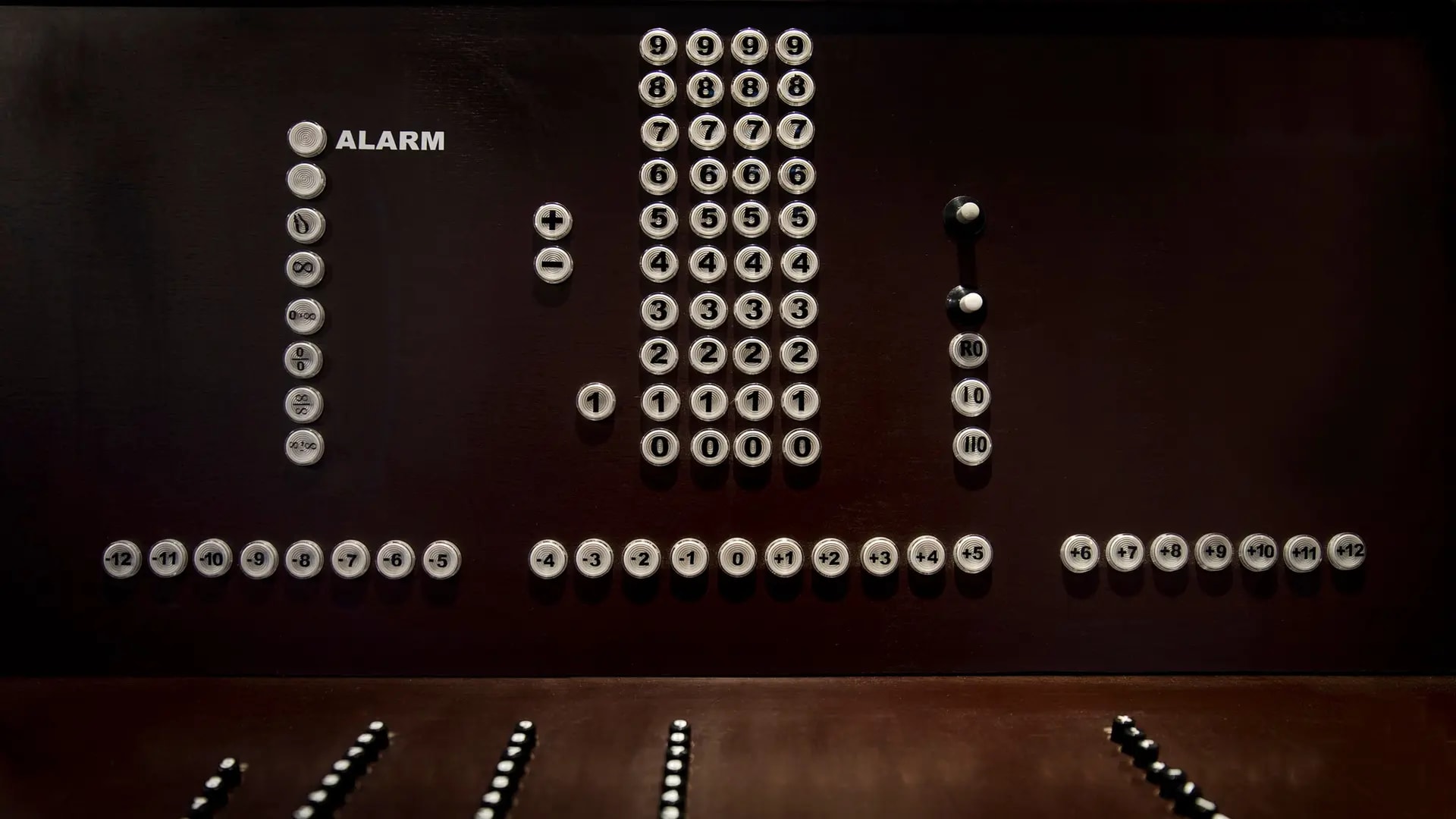
The Zuse Computer Museum in Hoyerswerda is closing due to severe financial instability and a failure to meet visitor targets. Despite Konrad Zuse's historical significance, the museum faces total dissolution as city subsidies are reconsidered.
The Decline of a Technical Landmark
The Zuse Computer Museum (ZCOM) in Hoyerswerda, a site dedicated to the legacy of computing pioneer Konrad Zuse, has officially ceased operations. The museum, which held a unique collection documenting the history of computational technology, served as a tribute to Zuse, who spent his youth in the city and was posthumously granted honorary citizenship in 1995. The closure marks a somber end to an institution that sought to bridge the gap between early mechanical innovation and the digital age.
Financial Instability and Operational Hurdles
The primary driver behind the museum's closure is a compounding financial crisis. Since its opening in January 2017, the ZCOM Foundation has relied heavily on municipal subsidies to maintain its operations. However, the museum struggled to gain the traction necessary to achieve financial self-sufficiency. While the institution projected an annual attendance of 20,000 to 25,000 visitors, it consistently drew only around 10,000 paying individuals, creating a significant revenue shortfall that made continued operation unsustainable.
The Impact of Withdrawn Support
The situation reached a breaking point following the withdrawal of support from the local municipal housing company, which provided the physical premises for the exhibition. Without this foundational support, the museum’s viability was placed directly on the city council's agenda. The potential removal of city subsidies essentially forced the foundation to consider a total dissolution of the collection, as there was no remaining fiscal pathway to cover overhead and maintenance costs.
Historical Significance vs. Modern Reality
Konrad Zuse is widely regarded as a titan of computing history, famous for creating the Z3, the world's first working programmable, fully automatic digital computer. Hoyerswerda’s identity as a "Konrad Zuse City" was deeply tied to this history. The loss of the museum represents a broader struggle for niche technical museums that rely on public funding to preserve historical artifacts that may not appeal to the mass-market tourism required for financial viability in the modern era.
Future Implications for Technical Heritage
The dissolution of the ZCOM collection raises critical questions about how municipalities handle the preservation of technical history. As the city council deliberates on the future of these funds, the case of the Zuse museum serves as a cautionary tale for similar institutions. Without a "white knight" investor or a pivot toward more sustainable funding models, the physical remnants of early computing history risk being dismantled and dispersed, potentially erasing a vital piece of Germany's industrial and intellectual heritage.
Conclusion
The closure of the Zuse Computer Museum is a final outcome of the intersection between declining public subsidies and the failure to meet ambitious visitor targets. By the end of the year, the collection is slated to be dismantled. While the city of Hoyerswerda remains linked to the name of Konrad Zuse, the loss of this dedicated space signifies a challenging shift in how historical technical achievements are valued and preserved in the face of modern budgetary constraints.