Chef Kunal Kapur shares hot and crispy samosa chaat recipe: See step-by-step preparation
Source Entity
Latest News: Today's Latest News Headlines from India & World | Hindustan Times | Hindustan Times
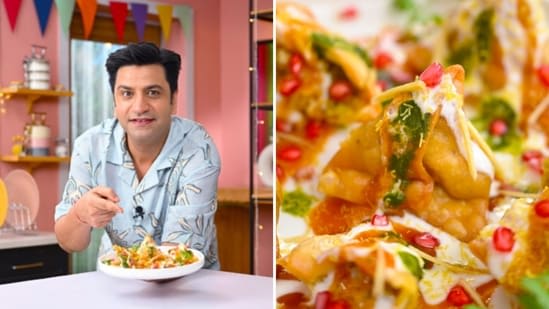
The samosa chaat is a popular street food that is savoury, indulgent and filling. Kunal Kapur shares recipe to make it at home from scratch.
The Digitalization of Street Food: Analyzing Chef Kunal Kapur's Samosa Chaat Guide
The recent sharing of a step-by-step samosa chaat recipe by renowned Chef Kunal Kapur highlights a growing trend in the culinary world: the bridging of the gap between professional gourmet standards and home-cooked street food. Samosa chaat, a cornerstone of Indian street culture, is prized for its complex layering of textures and flavors—combining the crunch of fried pastry with the tanginess of chutneys and the richness of yogurt. By providing a "from scratch" guide, Kapur is not merely sharing a recipe but is democratizing a culinary art form that was previously the domain of specialized street vendors.
The Cultural Significance of Samosa Chaat
To understand the impact of this recipe, one must look at the role of chaat in South Asian gastronomy. Chaat refers to a category of savory snacks that emphasize a balance of chatpata (tangy, spicy, and salty) flavors. The samosa chaat, specifically, transforms the humble samosa from a standalone snack into a hearty, indulgent meal. The process typically involves smashing the samosas and topping them with chickpeas, tamarind chutney, mint chutney, and various spices. This dish represents the vibrancy of urban Indian life, where food is an interactive, sensory experience designed to stimulate all taste buds simultaneously.
The Influence of Celebrity Chefs in the Modern Era
Chef Kunal Kapur's involvement in this process is significant. As a figure with substantial public visibility and professional pedigree, his endorsement of a specific method for making samosa chaat provides a sense of "culinary authority" to the home cook. In an era of short-form video content and superficial social media recipes, the emphasis on a "step-by-step preparation" suggests a return to instructional depth. This approach ensures that the technical nuances—such as achieving the perfect "crispy" texture of the samosa shell—are not lost, preventing the common pitfalls associated with home-frying.
The Shift Toward "From Scratch" Home Cooking
The detail that the recipe allows users to make the dish "from scratch" speaks to a broader global shift toward mindful eating and ingredient transparency. Modern consumers are increasingly wary of processed foods and are seeking ways to recreate authentic flavors without industrial additives. By guiding users through the entire process, Kapur encourages a deeper engagement with the raw ingredients, fostering an appreciation for the labor and precision required to create professional-grade street food in a domestic kitchen environment.
Future Trends in Culinary Content
Looking forward, we can expect a continued surge in "hyper-authentic" home cooking guides. As global palates become more adventurous, the demand for precise, expert-led instructions for regional specialties will increase. The success of Kapur's recipe sharing indicates that the audience is moving beyond simple "quick fixes" and is instead interested in the mastery of traditional techniques. This suggests a future where digital platforms serve as virtual culinary schools, preserving traditional recipes while adapting them for the modern home.
Conclusion
In summary, Chef Kunal Kapur's sharing of the samosa chaat recipe is more than a simple cooking tip; it is a reflection of the intersection between celebrity influence, cultural preservation, and the evolving habits of the home cook. By breaking down a complex street food classic into an accessible format, Kapur empowers individuals to recreate a sensory experience that is central to the Indian culinary identity, ensuring that traditional flavors remain relevant in a fast-paced digital world.
Verification Required?