Kusha Kapila clarifies viral selfie with Samay Raina is AI-generated: ‘Not friends’
Source Entity
The Indian Express
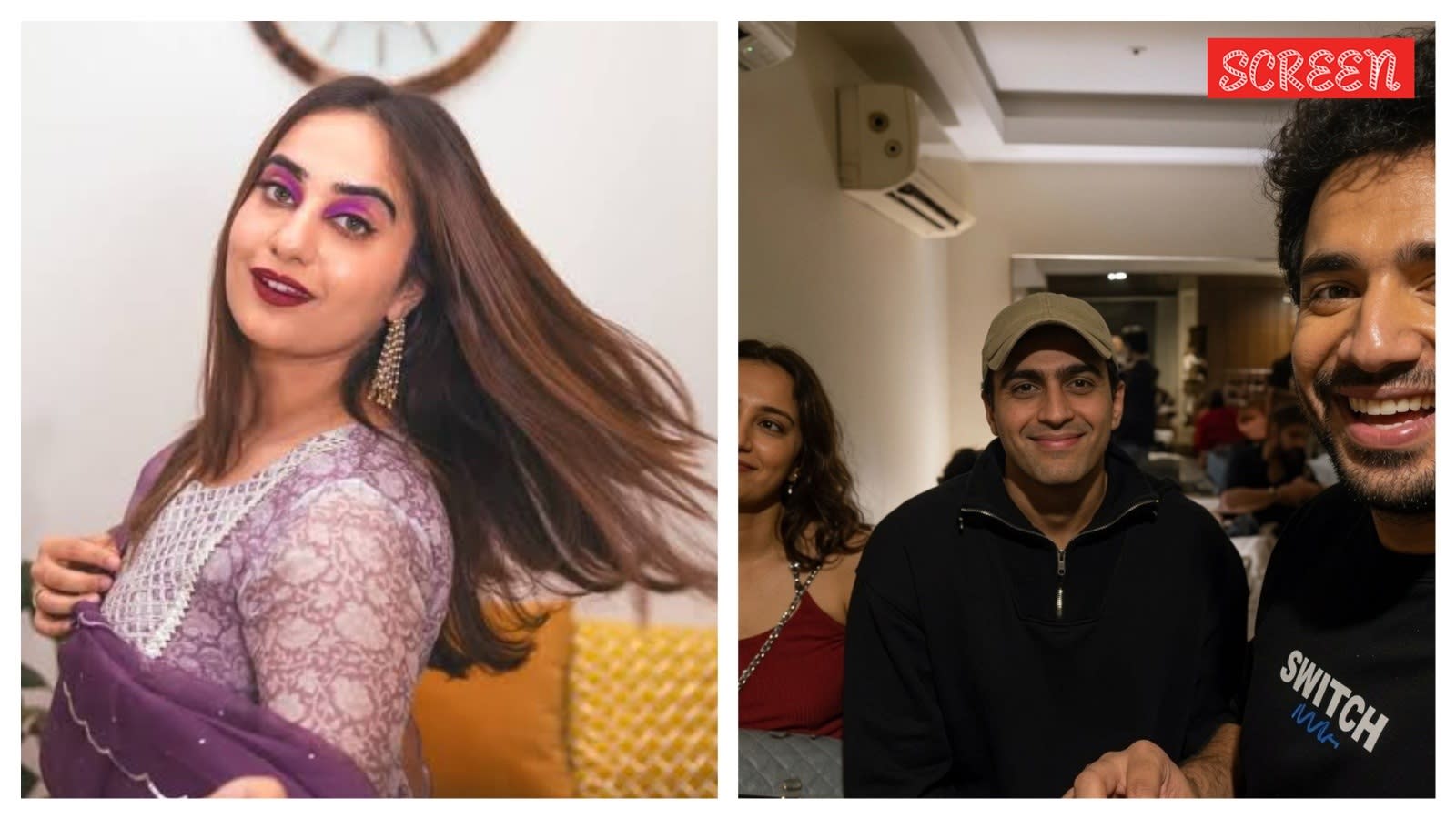
Kusha Kapila has clarified that a recent selfie, which got many wondering if she’s patched up with Samay Raina after two years, is AI-generated. The two had a public fallout in 2024 after Kusha said s...
The Intersection of AI and Celebrity Culture: The Kusha Kapila and Samay Raina Controversy
In an era where digital manipulation is becoming increasingly seamless, the recent viral incident involving content creators Kusha Kapila and Samay Raina serves as a poignant case study on the volatility of social media narratives. A selfie depicting the two figures together quickly spread across various platforms, leading fans and followers to speculate that the pair had finally patched up their differences. However, the narrative was swiftly corrected by Kusha Kapila herself, who revealed that the image was entirely AI-generated, emphasizing that they are not friends. This event highlights the growing gap between perceived digital reality and actual interpersonal relationships in the influencer economy.
The Mechanics of a Viral Misunderstanding
The viral nature of the image can be attributed to the high public interest in the interpersonal dynamics of top-tier digital creators. Because Kapila and Raina are prominent figures in the Indian comedy and content space, any sign of reconciliation is viewed through a lens of curiosity and hope by their combined fanbases. The AI-generated image was convincing enough to bypass the initial skepticism of thousands of users, demonstrating how generative AI can be weaponized—whether for harmless pranks or malicious misinformation—to create "synthetic evidence" of events that never occurred. This specific incident underscores the vulnerability of the public to visually persuasive but factually void content.
Contextualizing the 2024 Fallout
To understand why this AI image caused such a stir, one must look at the historical context of the relationship between Kusha Kapila and Samay Raina. The two experienced a public and contentious fallout in 2024, characterized by public statements and a clear divide in their professional and personal associations. When a rift becomes a matter of public record, the "redemption arc" or the "reconciliation story" becomes a powerful trope that social media users are eager to consume. The AI image played directly into this psychological desire for resolution, making the subsequent clarification not just a correction of a photo, but a reaffirmation of a strained boundary.
The Broader Implications of Synthetic Media
This incident points toward a broader and more concerning trend in the entertainment industry: the rise of deepfakes and AI-generated imagery to manipulate public perception. While this particular case resulted in a harmless rumor about a friendship, the same technology can be used to fabricate scandals, fake endorsements, or damaging interactions. The fact that a prominent figure like Kusha Kapila had to explicitly state "Not friends" to counter a digital image suggests that the "burden of proof" has shifted; celebrities are now forced to debunk fabrications rather than simply ignoring them, as the AI-generated evidence is often too convincing to be left unaddressed.
Future Trends in Digital Verification
Looking forward, this event predicts a future where digital literacy and verification tools will become essential for the average social media consumer. As generative AI evolves, the ability to distinguish between a genuine photograph and a synthetic one will diminish. We are likely to see a rise in the use of digital watermarking or blockchain-based verification for celebrity content to prevent such misunderstandings. Furthermore, the industry may see a shift in how publicists manage "viral moments," moving toward a more proactive stance of verification to protect the brand image of their clients from AI-driven narratives.
Conclusion
Ultimately, the Kusha Kapila and Samay Raina selfie incident is more than just a piece of celebrity gossip; it is a warning about the fragility of truth in the age of AI. By clarifying that the image was a fabrication, Kapila has highlighted the necessity of skepticism in the face of viral visual content. As synthetic media continues to blend into our daily feeds, the distinction between a digital image and a factual event will continue to blur, making direct communication and official clarifications the only reliable sources of truth in the digital landscape.