La Cueva BBS in Mexico in 1993 (session replay)
Source Entity
Hacker News
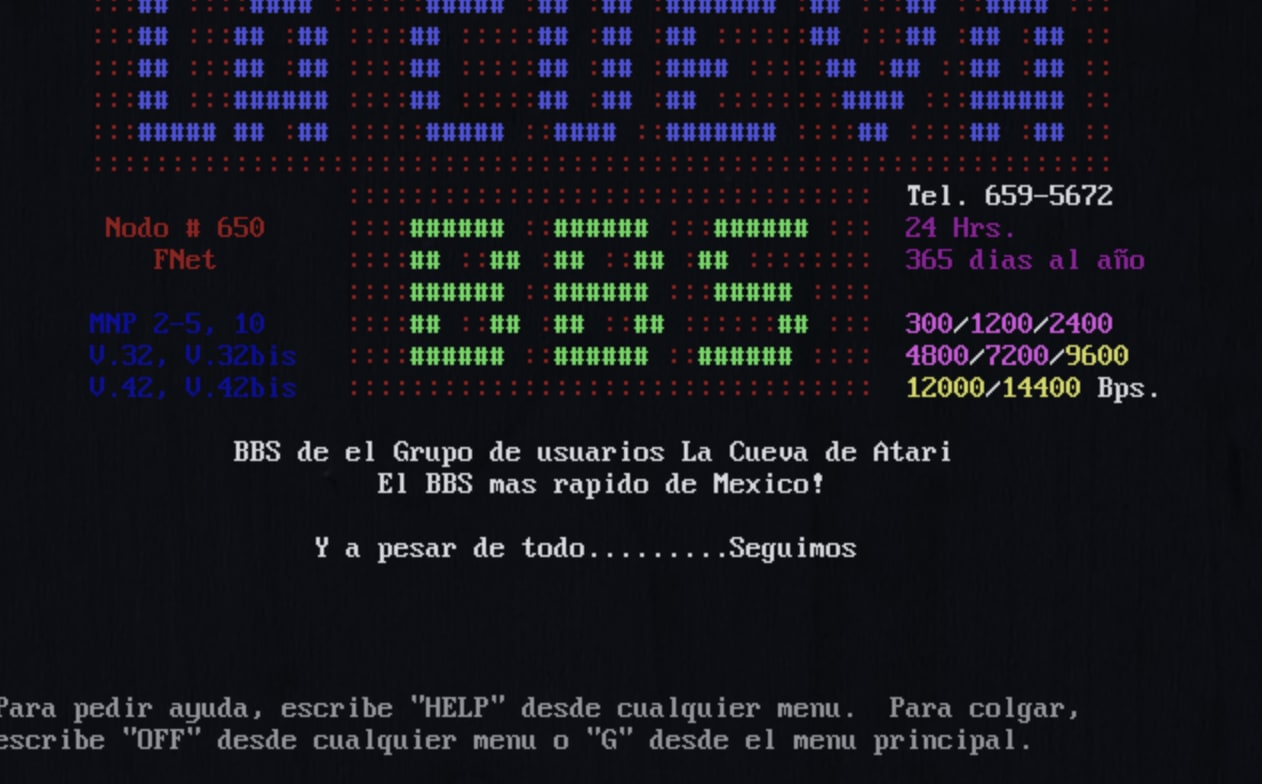
Óscar Toledo G. chronicles his 1993 experience connecting to the La Cueva BBS in Mexico using a custom-built Zilog Z280 computer. The account highlights the technical challenges and DIY spirit of the pre-internet era of telecommunications.
The Dawn of Connectivity: A 1993 Retrospective
In an era long before the ubiquity of the modern internet, the landscape of digital communication was defined by the Bulletin Board System (BBS). Óscar Toledo G.’s personal account of accessing La Cueva BBS in Mexico in 1993 provides a rare, granular glimpse into the technical ingenuity required by hobbyists of the time. Working with a homebrew Zilog Z280-based computer equipped with 512 KB of RAM, Toledo’s experience underscores the transition period between isolated computing and the nascent stages of networked data exchange.
The Hardware Constraints of the Early 90s
The reliance on a discarded, casing-less Hayes modem operating at 2400 bauds illustrates the hardware limitations that defined the early digital experience. For the modern user accustomed to gigabit speeds, a 2400-baud connection serves as a stark reminder of the patience and precision required to transmit even the simplest text-based data. The physical act of interfacing this hardware with a home-built system required a deep, fundamental understanding of computer architecture that is rarely demanded of users in today’s plug-and-play ecosystem.
Self-Taught Engineering and Serial Protocols
Perhaps the most striking aspect of Toledo’s narrative is the necessity of self-reliance. Without the benefit of the internet to provide instant troubleshooting or documentation, enthusiasts like Toledo relied entirely on physical books to master RS-232C serial protocols, AT commands, and ANSI escape sequences. This period fostered a generation of engineers who understood the 'how' and 'why' of data transmission at the byte level, as they were forced to write their own terminal programs from scratch to facilitate communication.
The Cultural Significance of BBS
La Cueva BBS, along with other regional nodes like Nopal BBS, functioned as the precursors to modern social media and digital forums. These systems were more than just technological experiments; they were vital community hubs. In 1993 Mexico, accessing such a system meant joining a limited but passionate group of digital pioneers who were essentially building the infrastructure of the future through local, dial-up connections.
Legacy and Technological Evolution
Reflecting on the 1993 experience highlights the rapid evolution of technology from the manual, character-based interfaces of the past to the high-speed, graphical internet of today. The shift from serial terminal programs to the global World Wide Web has obscured the complexity of the early digital handshake. By documenting these early efforts, we preserve the history of the digital revolution, acknowledging that the interconnected world we enjoy today was built on the backs of those who spent hours configuring modems and studying serial protocols in the quiet of their homes.