Wangchuk compares Ladakh situation with Tibet; govt-in-exile in Dharamshala objects
Source Entity
NASEER GANAI
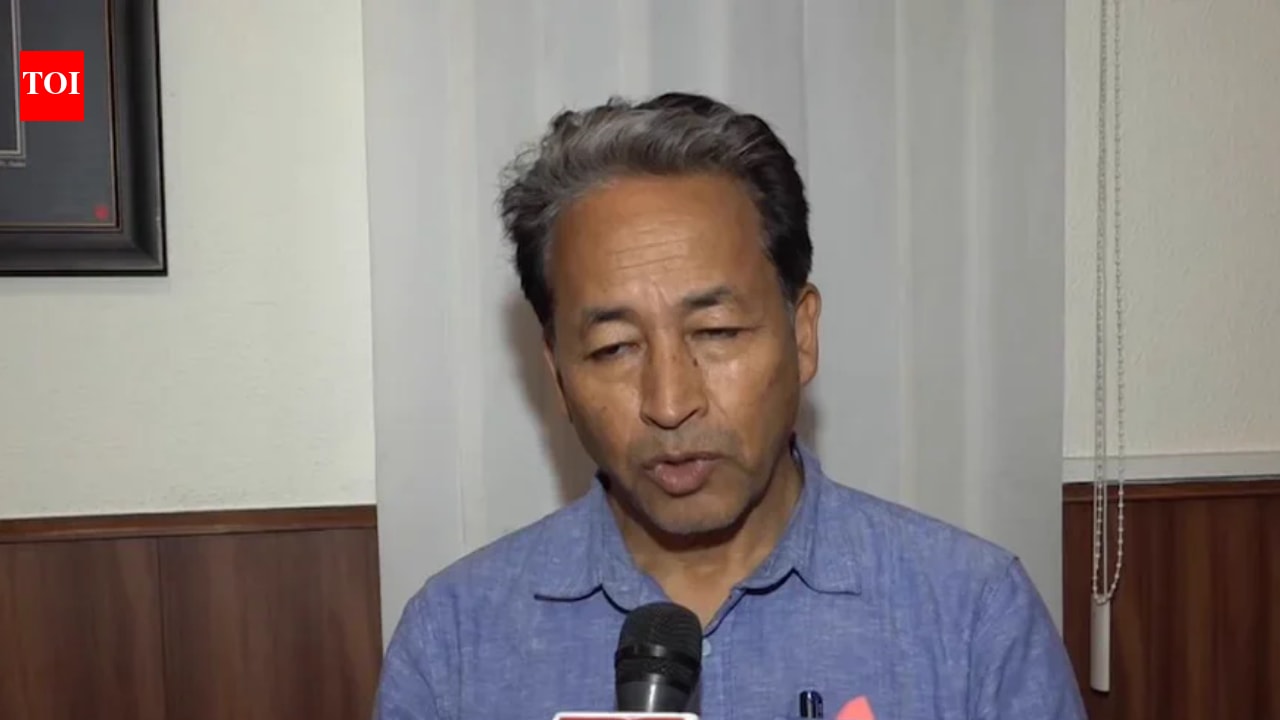
The Central Tibetan Administration has formally rejected activist Sonam Wangchuk's comparison of Ladakh's current political climate to the situation in Tibet. The CTA emphasized that such analogies are inaccurate and fail to reflect the systemic repression faced by Tibetans under Chinese rule.
Tensions Emerge Over Ladakh-Tibet Political Analogies
Recent remarks made by Ladakh activist Sonam Wangchuk during a public gathering in Leh have sparked a significant diplomatic and political discourse. While addressing the first anniversary of violence involving civilians, Wangchuk drew a parallel between the current political and administrative situation in Ladakh and the historical treatment of Tibet under Chinese authority. This comparison, intended to highlight the grievances of the Ladakhi people regarding governance and autonomy, has met with immediate pushback from the Central Tibetan Administration (CTA).
The CTA’s Official Stance
The Central Tibetan Administration, based in Dharamshala, issued a prompt and firm rebuttal to these claims. Tenzin Lekshay, the official spokesperson for the CTA, took to social media to categorize the comparison as both "misplaced" and "inaccurate." The administration’s concern stems from a desire to maintain the specificity of the Tibetan struggle, which they argue is fundamentally different in nature and severity from the current challenges faced by the Union Territory of Ladakh.
Defining the Tibetan Experience
To understand the CTA’s objection, one must look at their definition of the current crisis within Tibet. According to the CTA, the situation in Tibet is defined by long-standing, state-sponsored authoritarian rule. They highlight that Tibetans continue to face systematic repression of fundamental human rights, severe restrictions on religious freedom, and a deliberate, state-led campaign to erase the region's distinct cultural and linguistic identity. The CTA believes that equating a democratic protest movement in India with the existential threat posed to Tibetan culture under Chinese governance undermines the gravity of their cause.
The Political Context of Ladakh
Sonam Wangchuk’s rhetoric is rooted in the ongoing quest for greater political agency and constitutional safeguards for Ladakh. Since the region was bifurcated from Jammu and Kashmir and designated as a Union Territory, various activist groups have sought protection for the region’s environment and demographic identity. By referencing Tibet, Wangchuk likely aimed to amplify the urgency of Ladakh's demands; however, the resulting controversy underscores the sensitivity of geopolitical comparisons in the Himalayan region.
Broader Geopolitical Implications
This incident highlights how local political activism in sensitive border regions can inadvertently intersect with complex international narratives. The Tibetan struggle is a core issue in Sino-Indian relations, and the CTA remains highly cautious about how their movement is represented on the global stage. By distancing themselves from the Ladakh comparison, the CTA aims to ensure that the international community understands the unique, historical, and ongoing nature of the Tibetan plight as a distinct issue of sovereignty and human rights.
Conclusion and Future Outlook
The friction caused by these remarks serves as a reminder of the high stakes involved in regional political discourse. While both the people of Ladakh and the Tibetan diaspora seek to protect their cultural and political interests, the methods and narratives employed must navigate a complex web of historical context. Moving forward, it is likely that activists and political representatives will be more cautious in drawing international parallels, focusing instead on the specific legal and constitutional frameworks relevant to their respective regions.