Too big to be cozy: the cracks within BJP’s expansion plans are showing
Source Entity
India Latest News: Top National Headlines Today & Breaking News | The Hindu
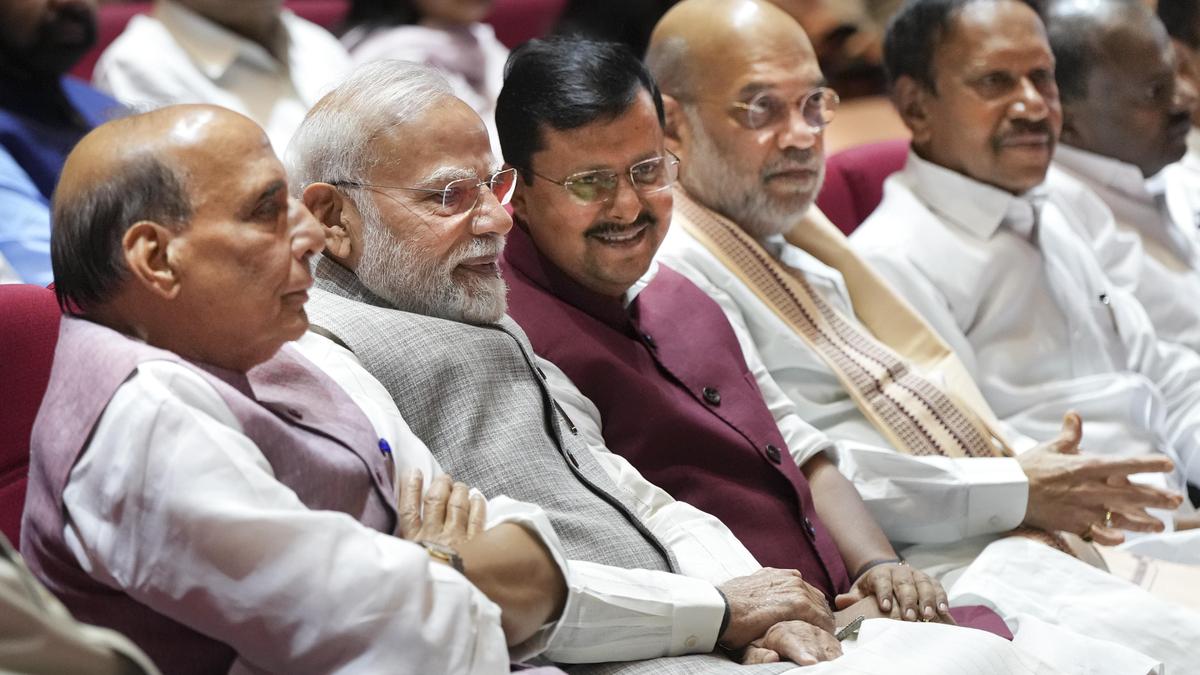
The BJP and RSS are currently addressing internal organizational challenges stemming from rapid growth and limited leadership roles. High-level meetings aim to restructure the party to accommodate both veteran members and new entrants to prevent further electoral setbacks.
The BJP's Organizational Crossroads
The Bharatiya Janata Party (BJP) finds itself at a critical juncture, balancing the challenges of unprecedented electoral dominance with the complexities of managing a massive, diverse organizational structure. Recent setbacks, including the loss in the Bankipur bypoll and emerging protests from the GenZ demographic, have served as a wake-up call for the party leadership. These events suggest that the party’s long tenure in power has begun to foster a sense of disconnect, where party workers, who have traditionally served as the backbone of the organization, are increasingly feeling overlooked in favor of newer entrants.
High-Level Consultations and Strategic Shifts
Recognizing these internal fissures, top leadership recently convened for a marathon four-hour meeting at the residence of Defence Minister Rajnath Singh. The presence of key figures such as Union Home Minister Amit Shah, BJP president Nitin Nabin, and RSS joint general secretary Arun Kumar underscores the gravity of the situation. This meeting was not merely a routine gathering but a deliberate effort by the Sangh Parivar to address what they categorize as 'human resources' issues—a euphemism for the growing frustration among loyalists regarding career progression and political accommodation.
The Challenge of Rapid Expansion
The BJP’s growth trajectory has been meteoric, characterized by aggressive recruitment drives that integrated leaders from various political backgrounds into the party fold. While this strategy bolstered the party's electoral strength, it created a bottleneck within its internal hierarchy. The influx of new members has left many long-term, dedicated party workers waiting for organizational posts or roles that have remained static. The resulting friction is now being viewed as a potential liability that could undermine the party’s grassroots effectiveness during future election cycles.
Addressing the 'Benefit of Doubt' Deficit
A significant concern highlighted during these discussions is the erosion of the 'benefit of doubt' that the party previously enjoyed. As the party has been at the helm for a substantial period, the expectations of the electorate and the internal cadre have shifted. The GenZ protests, in particular, signal a generational shift in political discourse that the party is struggling to navigate. When party workers feel that their contributions are not being recognized through commensurate opportunities, their motivation wanes, ultimately impacting the party's ability to mobilize support at the booth level.
Blueprint for Structural Reform
In response to these challenges, the leadership has begun drafting a comprehensive blueprint aimed at expanding the party's organizational architecture. The goal is to create a more robust framework that can accommodate both seasoned veterans and the influx of new talent. By increasing the number of available organizational posts, the party aims to mitigate internal discontent and ensure that its vast human capital is utilized effectively. This structural expansion is designed to provide a clearer career path for workers, thereby reinvigorating the organizational machinery.
Future Implications and Outlook
Looking ahead, the success of the BJP will depend on its ability to execute this restructuring without diluting its core ideological identity or causing further friction between 'old-timers' and 'new entrants.' The move to streamline HR processes within the Sangh Parivar reflects a pragmatic approach to governance and party management. If successfully implemented, these changes could stabilize the party's internal dynamics, allowing it to better address external challenges and maintain its dominance in a shifting political landscape.
Verification Required?