What would Seshan do if faced with SIR?
Source Entity
RAJESH KALRA
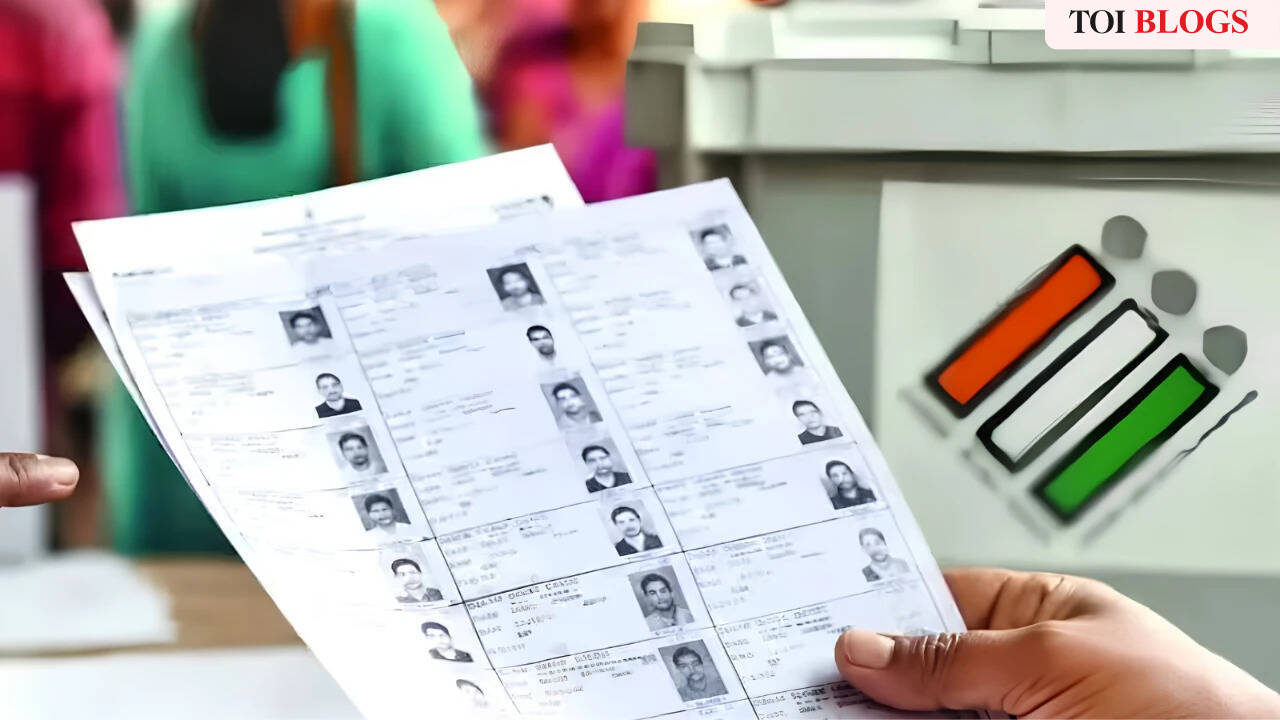
This analysis explores the hypothetical application of former Chief Election Commissioner T.N. Seshan's rigorous institutional standards to modern administrative challenges like the SIR (Simultaneous Internal Review). It highlights the necessity of maintaining electoral integrity and constitutional independence.
The Legacy of T.N. Seshan in Modern Governance
T.N. Seshan, the former Chief Election Commissioner of India, is remembered as a titan of administrative reform who transformed the Election Commission from a passive entity into an assertive, constitutional powerhouse. By invoking the rule of law with unprecedented vigor, Seshan redefined the boundaries of bureaucratic power. The question of how he would approach a contemporary mechanism like the Simultaneous Internal Review (SIR) invites us to consider whether modern institutions possess the same appetite for structural accountability that Seshan championed.
The Seshan Doctrine: Asserting Institutional Autonomy
Seshan’s tenure was defined by his refusal to accept administrative inertia. If faced with an SIR, it is highly probable that Seshan would have scrutinized the process not merely for compliance, but for its potential to infringe upon the core mandate of the institution it governs. His approach was historically characterized by a deep skepticism of executive overreach, suggesting that any internal review process would need to be transparent, time-bound, and immune to political pressure to earn his approval.
Analyzing the SIR within a Constitutional Framework
When evaluating the SIR, one must apply the lens of constitutional integrity—a hallmark of Seshan’s legacy. Any internal review mechanism is only as effective as the independence of the body conducting it. Seshan’s career suggests that he would prioritize the autonomy of the review process, ensuring that the SIR does not become a tool for internal suppression or a facade for bureaucratic stagnation rather than a genuine instrument of progress.
The Challenge of Modern Bureaucracy
The current administrative climate is significantly more complex than the one Seshan navigated in the 1990s. The introduction of digital governance and real-time monitoring tools means that an SIR could potentially be more invasive than past oversight methods. A Seshan-led inquiry into such a system would likely focus on the 'who' and the 'why,' demanding clear accountability structures that prevent the misuse of data or the consolidation of power within a small group of unelected officials.
Future Trends and Institutional Resilience
As we look toward the future, the resilience of our democratic institutions depends on the ability to balance efficiency with oversight. If the SIR is to be a permanent fixture in administrative life, it must be subjected to the same rigorous standards Seshan applied to election reform. His legacy suggests that institutional health is not a static state but a constant battle against the tendency toward complacency.
Conclusion: Carrying the Torch of Accountability
Ultimately, the hypothetical invocation of T.N. Seshan serves as a reminder that systems are only as good as the individuals who uphold them. Whether or not an SIR can function effectively depends on the presence of leaders willing to stand against the tide of political convenience. Seshan’s approach remains a benchmark for excellence, demanding that any internal review process be guided by the principles of integrity, transparency, and a steadfast commitment to the constitutional duties of the office.