The lesbian bar outrage shows why Donald Trump won America
Source Entity
NIRMALYA DUTTA
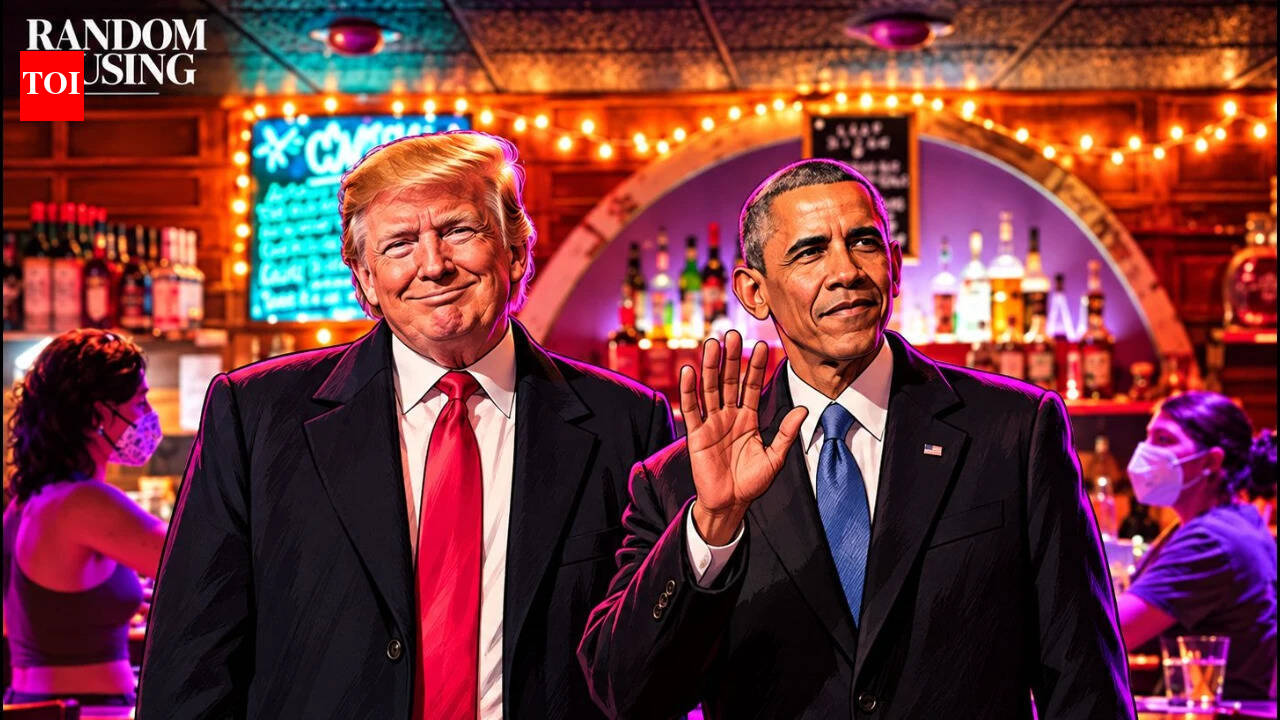
The viral Boston Globe story about a local lesbian bar serves as a cultural case study in the divide between modern media narratives and the broader American electorate. This disconnect highlights how niche identity-focused journalism often reinforces the 'Matrix' of political polarization that influenced the recent election.
The Cultural Divide: Media Narratives and Political Reality
Recent discourse surrounding a viral Boston Globe feature on a local lesbian bar has ignited a broader debate regarding the disconnect between niche, identity-focused journalism and the priorities of the average American voter. The story, which reportedly drove significant subscription growth for the publication, has been framed by critics as an 'elegant outpost of woke America,' serving as a lightning rod for those who believe mainstream media outlets have become detached from the reality experienced by the majority of the population.
The 'Onoda' Analogy and the Allegory of the Cave
The comparison to Hiroo Onoda, the Japanese soldier who remained in the jungle for decades unaware that World War II had ended, is a striking metaphor for this media phenomenon. Much like Onoda, who lived in a self-constructed reality, certain media bubbles operate within an 'availability heuristic'—a psychological phenomenon where people judge the probability of events based on how easily examples come to mind. When media outlets prioritize stories that cater exclusively to a specific cultural sub-segment, they risk creating a 'Matrix'—a simulated reality that blinds them to the shifting political tides occurring outside their immediate sphere of influence.
Media Consumption as a Political Indicator
This phenomenon illustrates why the political landscape has shifted so dramatically toward figures like Donald Trump. When major publications focus their editorial weight on niche cultural stories, they inadvertently validate the perception that traditional institutions are out of touch with 'mainstream' America. This creates a feedback loop: the more the 'new normal' of identity-driven journalism is pushed, the more the base of the political opposition feels alienated, ultimately fueling the populist surge that led to recent electoral outcomes.
The Mechanics of the 'Viral' Subscription Model
The Boston Globe’s success in converting a niche story into over a thousand subscriptions highlights a critical business strategy in modern media: targeting highly engaged, ideologically aligned audiences. While this is an effective product management strategy for short-term growth, it carries long-term risks. By focusing on hyper-specific cultural narratives, media organizations often deepen the 'cave' described in Plato’s allegory, where readers become increasingly comfortable with shadows on the wall rather than the complex, messy reality of the world beyond their echo chamber.
Implications for the Future of Journalism
As we look toward the future, the divide between 'woke' media outposts and the broader American electorate will likely continue to widen. The challenge for legacy media is whether they can break out of their self-imposed isolation. If journalism continues to prioritize niche cultural signaling over the broader concerns of the electorate, the gap between the press and the public will remain an insurmountable chasm, further cementing the political polarization that currently defines the American experience.