Trump admin using AI to deny medical care for seniors in disastrous experiment
Source Entity
Beth Mole
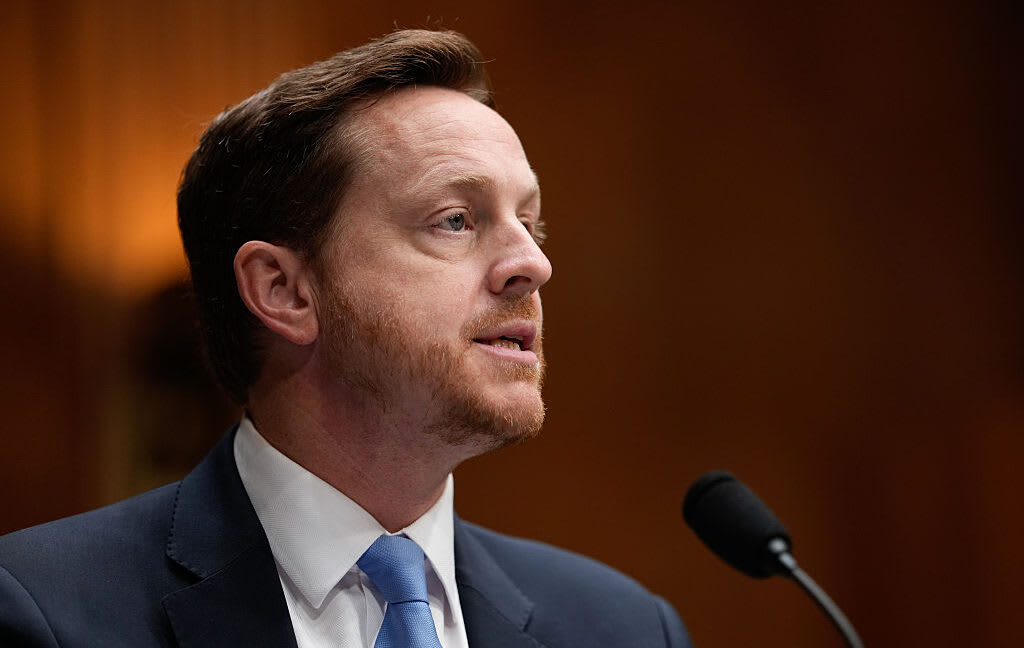
The Trump administration's WISeR AI pilot program for Medicare has faced significant criticism for causing care delays and wrongful claim denials. Documents obtained by the EFF reveal widespread frustration from healthcare providers regarding the system's impact on patient access.
The Controversy Surrounding Medicare's AI Integration
In January, the Trump administration launched a pilot program aimed at incorporating artificial intelligence into the Medicare system, a federal healthcare program serving seniors. This initiative, known as WISeR, introduced a 'prior authorization' requirement for specific types of medical care—a mandate that was previously non-existent for these services. By leveraging algorithmic decision-making, the administration sought to streamline administrative processes, but the implementation has sparked significant debate regarding the intersection of automation and patient welfare.
Documented Failures and Operational Hurdles
Following the rollout, the program encountered immediate operational challenges. Reports from the field highlighted a pattern of technical malfunctions, substantial delays in decision-making, and what many described as 'puzzling denials' for necessary medical treatments. These systemic issues have placed a heavy burden on healthcare providers, who now face increased administrative friction, while patients have been left to endure prolonged periods of physical pain and uncertainty as their care requests stall within the automated pipeline.
The Incentive Structure of AI Denials
At the core of the criticism is the financial incentive structure embedded within the vendor-led AI rollout. Critics and industry observers have pointed out that vendors deploying these AI tools often operate under incentives to maximize claim denials rather than facilitate access. When algorithms are optimized for cost-cutting at the expense of clinical necessity, the integrity of the medical decision-making process is fundamentally compromised, shifting the focus from patient outcomes to algorithmic efficiency.
Transparency and the EFF Revelation
The severity of these issues was brought to light through the efforts of the Electronic Frontier Foundation (EFF), which obtained a tranche of federal documents via litigation. These documents provide an empirical look at the program's shortcomings, confirming long-standing anecdotal reports from medical professionals. The feedback contained within these documents paints a picture of a system that is currently ill-equipped to handle the complexities of patient care, with providers expressing deep frustration over the impact on their ability to treat seniors effectively.
Broader Implications for Healthcare Governance
This experiment serves as a cautionary tale for the integration of AI in public health infrastructure. The WISeR program illustrates the risks of prioritizing technological automation over the nuanced judgment of human practitioners in life-critical scenarios. As the federal government continues to explore digital transformation, the lack of oversight and the potential for 'black box' decision-making in programs like WISeR suggest a need for more robust regulatory frameworks to protect the vulnerable populations that rely on Medicare for their survival.
Conclusion: Assessing the Future of AI in Medicine
The ongoing fallout from the WISeR pilot underscores a critical tension between the promise of administrative efficiency and the reality of patient care. As evidence of the program's failures continues to accumulate, the administration faces mounting pressure to address these systemic flaws. Whether this experiment will lead to a refined, more ethical approach to AI in healthcare or a complete abandonment of the model remains to be seen, but the current situation highlights the imperative for accountability in the deployment of automated systems within the public sector.