'No anti-incumbency against BJP?' Party counters Rahul with TN, Bengal poll history
Source Entity
ABHISHEK MISHRA
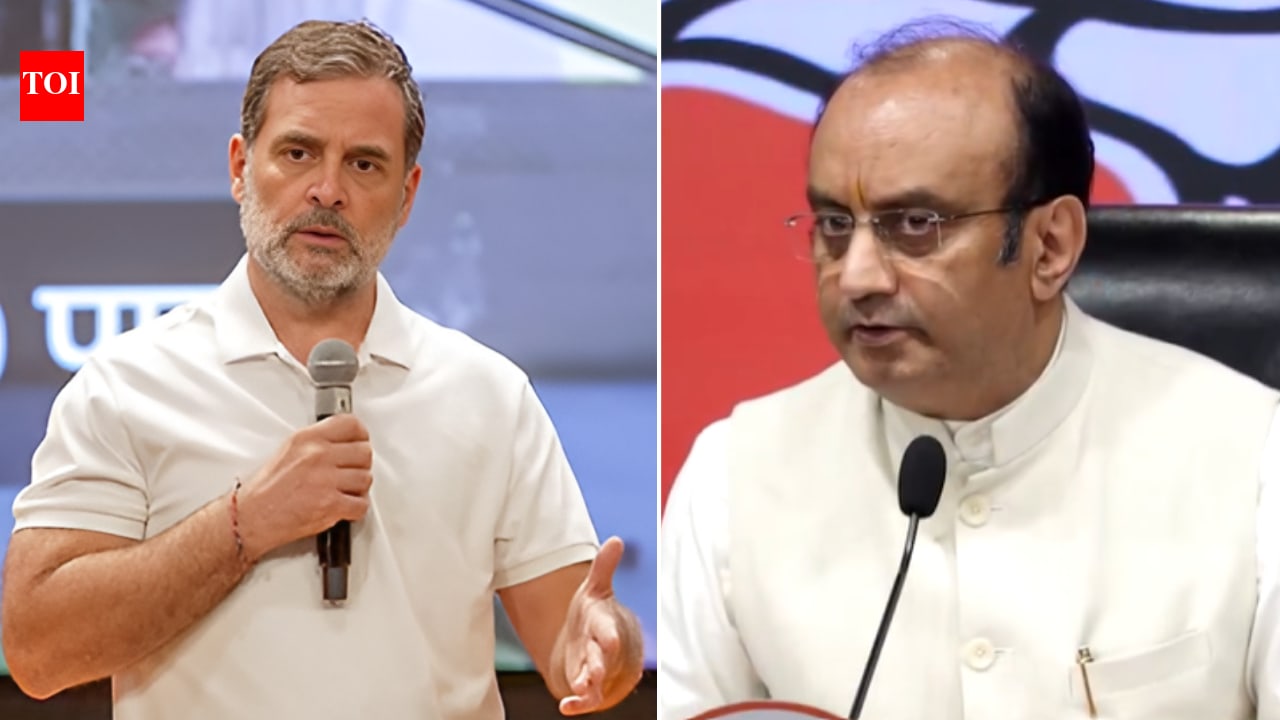
Rahul Gandhi has sparked a political controversy by comparing the BJP's electoral standing to authoritarian regimes like those of Saddam Hussein and Kim Jong Un. The BJP has retorted by citing historical election trends in Tamil Nadu and West Bengal to refute claims of suppressed anti-incumbency.
The Rhetorical Clash: Rahul Gandhi vs. The BJP
In a recent escalation of political discourse, Congress leader Rahul Gandhi has leveled severe allegations against the ruling Bharatiya Janata Party (BJP) and the Election Commission of India. By invoking the names of historical and contemporary autocrats like Saddam Hussein and Kim Jong Un, Gandhi has suggested that the absence of perceived anti-incumbency for the BJP is not a sign of democratic health, but rather an indicator of a compromised electoral system. This rhetoric marks a significant shift in opposition strategy, moving beyond policy criticism toward questioning the structural integrity of Indian democracy itself.
The Anatomy of the 'Anti-Incumbency' Debate
At the heart of this confrontation lies the concept of anti-incumbency, a traditional staple of Indian electoral politics where voters tend to favor change after a party has held power for extended periods. Gandhi’s assertion implies that the BJP has managed to bypass this historical trend through means that he characterizes as authoritarian. By drawing parallels to regimes where political opposition is systematically dismantled or elections are heavily manipulated, Gandhi is framing the current political landscape as one where the natural cycle of political accountability has been artificially halted.
BJP’s Counter-Narrative: Historical Precedents
In response to these allegations, the BJP has mounted a robust defense, focusing on empirical electoral history. The party has pointed to states like Tamil Nadu and West Bengal, where incumbents have historically maintained power for prolonged periods without the implication of systemic manipulation. By citing these regional examples, the BJP aims to demonstrate that electoral dominance is often a result of strong grassroots organization, effective welfare delivery, and public approval rather than the undemocratic practices suggested by the opposition.
Implications for Democratic Discourse
This exchange highlights a deepening polarization in Indian politics. When major political figures begin to compare domestic rivals to global dictators, it signals a breakdown in the conventional consensus regarding the legitimacy of electoral outcomes. Such narratives risk eroding public trust in institutions like the Election Commission, which is the bedrock of the Indian parliamentary system. The debate is no longer just about who governs, but about the very mechanisms that determine who is allowed to govern.
Future Trends and Political Stability
Looking ahead, this rhetoric is likely to intensify as the political climate becomes more competitive. If the opposition continues to frame electoral setbacks as evidence of institutional failure, it could lead to increased scrutiny of the Election Commission’s processes. Conversely, the BJP will likely continue to leverage its electoral record to validate its legitimacy. The long-term impact of this discourse will depend on whether voters prioritize these ideological arguments or focus on tangible governance issues, ultimately determining the tone of future electoral cycles.