Scheduled Castes, Scheduled Tribes MPs are not given enough time to speak in Parliament, says NDA ally
Source Entity
India Latest News: Top National Headlines Today & Breaking News | The Hindu
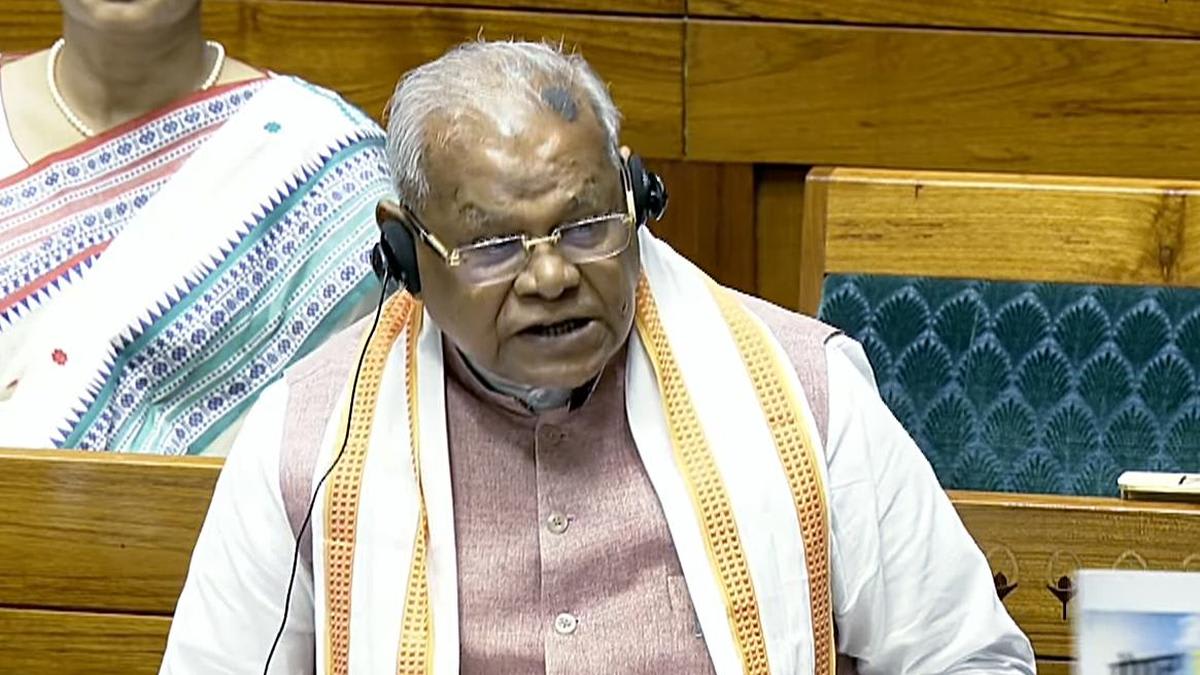
Union Minister Jitan Ram Manjhi has urged Lok Sabha Speaker Om Birla to ensure more speaking time for SC/ST MPs during parliamentary debates. This demand stems from concerns raised by BJP MP Gajendra Singh Patel regarding the representation of marginalized communities.
Representation Concerns in the Lok Sabha
Union Minister Jitan Ram Manjhi, who leads the Hindustani Awam Morcha (Secular), has formally addressed Lok Sabha Speaker Om Birla regarding a pressing concern within the legislative process. In a letter dated September 16, Manjhi articulated that Members of Parliament (MPs) belonging to Scheduled Castes (SCs) and Scheduled Tribes (STs) are frequently not afforded adequate time to speak during critical discussions on legislative Bills. This move highlights a perceived gap in the parliamentary experience for representatives of marginalized communities.
Origins of the Grievance
The issue was brought to light during an 'NDA sansad samooh samvaad baithak' (NDA MP Group Dialogue Meeting) hosted at Manjhi’s residence on August 5. During this session, BJP Lok Sabha MP Gajendra Singh Patel, who represents the Khargone constituency in Madhya Pradesh—a region reserved for tribal representatives—voiced his frustration. Patel’s observations underscore that despite the reserved nature of their constituencies, the voices of these representatives are often marginalized during high-stakes parliamentary sessions.
The Role of Coalition Dynamics
As an ally within the National Democratic Alliance (NDA), Manjhi’s decision to elevate this issue directly to the Speaker is a significant political development. By formalizing these concerns in writing, he is utilizing his position as a Union Minister to advocate for structural changes within the Lok Sabha. This indicates that internal dialogue within the ruling coalition is actively addressing the equitable participation of its diverse member base.
Implications for Legislative Discourse
Parliamentary debates are essential for refining legislation and ensuring that the needs of all citizenry segments are met. When MPs from SC/ST backgrounds feel their speaking time is constrained, it risks narrowing the scope of legislative scrutiny. Manjhi has specifically requested that the Speaker issue necessary directions to the concerned authorities to rectify this imbalance, signaling a push for procedural reforms that prioritize inclusivity in the House.
Historical and Future Context
The reservation system in India was designed to ensure that marginalized groups have a seat at the table in the highest law-making body. However, the operational reality of how 'speaking time' is allocated often reflects established parliamentary norms that may inadvertently favor senior members or those from dominant political factions. If the Speaker adopts these suggestions, it could lead to a more balanced legislative environment where the specific socio-economic concerns of tribal and scheduled caste populations are given greater weight.
Conclusion
Ultimately, Jitan Ram Manjhi’s intervention serves as a reminder that the democratic process requires continuous adjustment to be truly representative. By highlighting the experiences of MPs like Gajendra Singh Patel, the Minister is seeking to ensure that the legislative process remains responsive to the diverse voices of the nation. Whether this leads to revised time-allocation protocols remains a subject for future parliamentary observation.
Verification Required?