Ladakh announces hill council elections, but fails to assuage protesting civil society groups
Source Entity
India Latest News: Top National Headlines Today & Breaking News | The Hindu
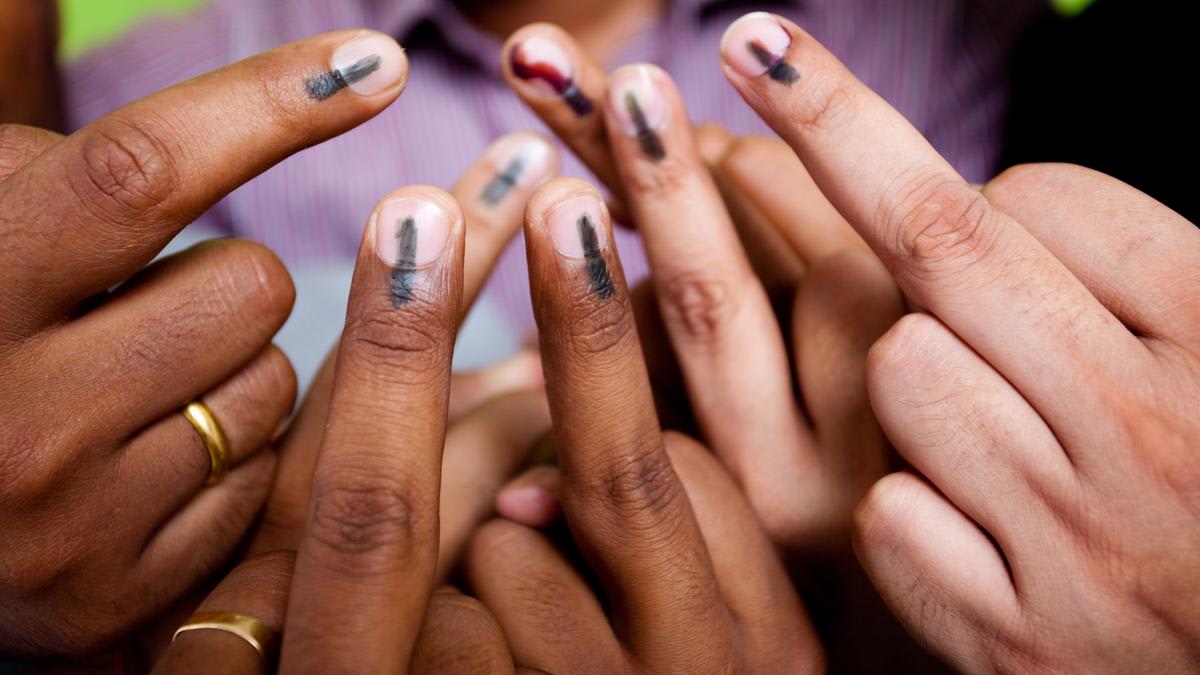
Ladakh's political representatives and civil society groups are protesting the administration's decision to hold local elections during the harsh winter months. Critics cite potential voter disenfranchisement due to seasonal migration and allege administrative overreach, fueling ongoing tensions regarding statehood and the Sixth Schedule.
Tensions Escalate Over Winter Elections in Ladakh
Recent developments in the Union Territory of Ladakh have triggered a significant political standoff between the local administration and regional representative bodies. Ladakh Member of Parliament Mohmad Haneefa Jan has formally challenged Lieutenant Governor V K Saxena regarding the timing of upcoming panchayat and urban local body (ULB) elections. The core of the dispute lies in the administration's decision to schedule these polls during the peak of winter, a period characterized by extreme climatic conditions that frequently force a segment of the local population to migrate to warmer regions.
Geographical and Logistical Challenges
The logistical concerns raised by MP Jan and various social and religious groups in Kargil highlight the unique geographical constraints of the region. By scheduling elections during winter, critics argue that the administration is effectively creating a barrier to democratic participation. The harsh weather not only complicates the physical movement of voters and election officials but also risks disenfranchising those who are compelled to leave the high-altitude region for survival during the colder months, thereby undermining the inclusivity of the electoral process.
The Shadow of 'Bureaucratic Overreach'
The political atmosphere is further strained by deep-seated distrust between the civil society and the government. Tsering Dorjey Lakrook, chairman of the Ladakh Buddhist Association (LBA), has characterized the election timing as a "conspiracy against the people of Ladakh." This sentiment is rooted in broader anxieties regarding the central government's management of the region, which has been marked by years of agitation demanding full statehood and the implementation of the Sixth Schedule of the Constitution to protect local land and cultural rights.
Allegations of Electoral Irregularities
Compounding the unrest, local leaders have expressed fears regarding the integrity of the electoral rolls. Citing alleged instances of voter list discrepancies in other parts of India, leaders like Lakrook have warned that the small size of the electorate in Ladakh makes the region particularly vulnerable to manipulation. These allegations of potential "vote chori" (vote theft) have transformed a debate about election scheduling into a broader confrontation over the perceived legitimacy of the current administrative framework.
Unilateral Decisions and Administrative Expansion
The situation reached a boiling point following the administration's announcement of elections for all eight Ladakh Autonomous Hill Development Councils (LAHDCs). Despite the ongoing protests and a observed shutdown in Kargil, the administration proceeded with plans to hold elections for 100 newly delimited constituencies on December 4. This expansion from the previous two-district structure into eight districts—while intended to decentralize governance—is being viewed by civil society as a unilateral decision made without adequate consultation, further exacerbating the disconnect between the administration and the populace.
Future Implications for Ladakh
The trajectory of this conflict suggests that the upcoming elections will serve as a litmus test for the government's relationship with Ladakh. The insistence on moving forward with the polls, despite widespread calls for postponement to April or May, risks deepening the rift between the local administration and the people. Unless the administration addresses the fundamental concerns regarding representation and the protection of regional autonomy, the current agitation is likely to persist, potentially leading to further instability in this strategically sensitive border region.
Multiple Citing Sources
Verification Required?