In first polls since creation of 6 new districts, Ladakh to elect hill councils on December 4
Source Entity
Naveed Iqbal
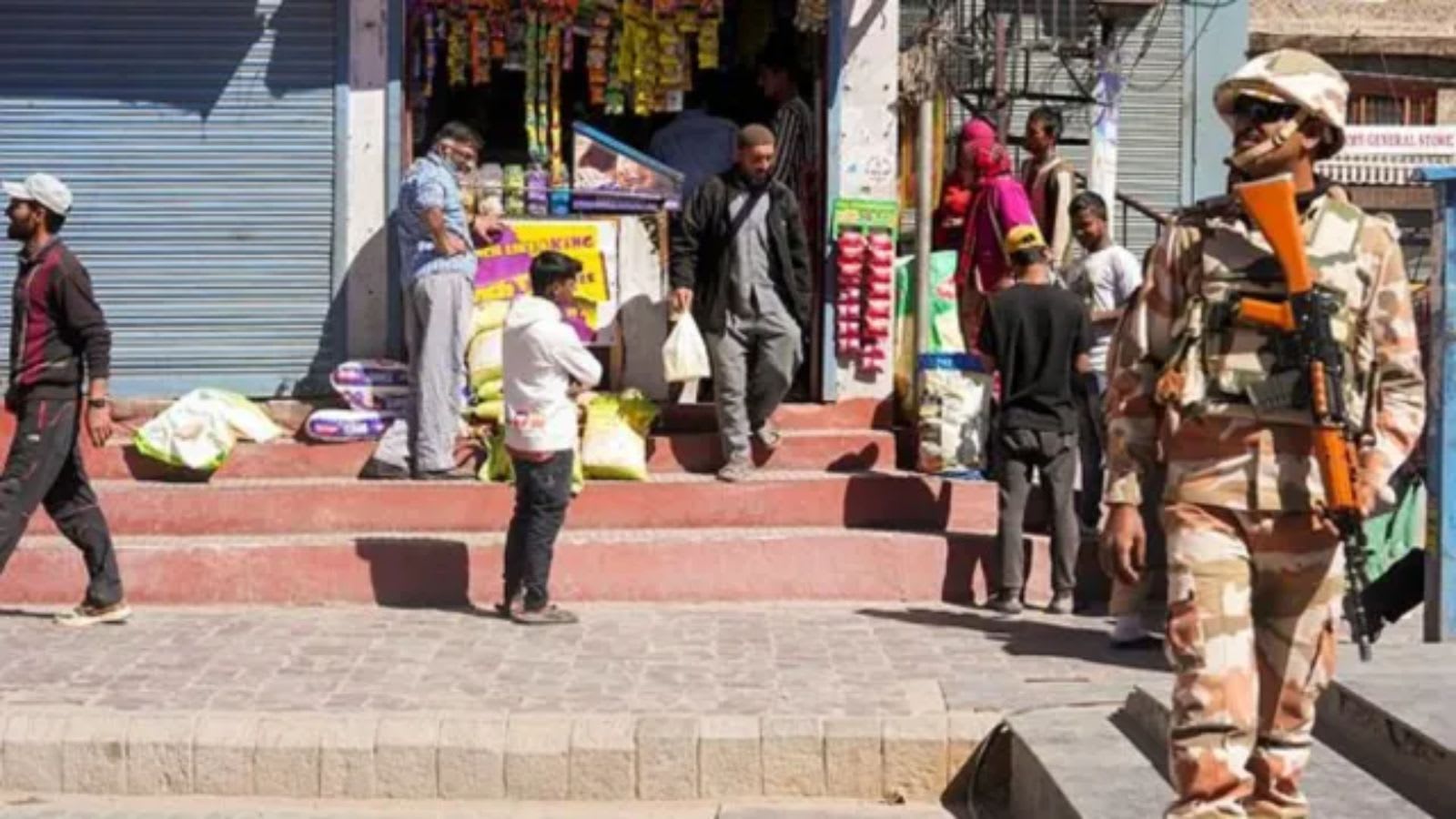
Ladakh MP Mohmad Haneefa Jan and local groups are protesting the decision to hold winter elections, citing mass migration and potential electoral fraud. Meanwhile, the administration is proceeding with December 4 elections for the expanded Ladakh Autonomous Hill Development Councils.
Tensions Rise Over Ladakh’s Winter Election Schedule
Ladakh is currently embroiled in a significant political standoff as local leaders and civil society groups challenge the administration's decision to conduct panchayat and urban local body elections during the harsh winter months. Ladakh MP Mohmad Haneefa Jan has formally written to Lieutenant Governor V K Saxena, arguing that the timing of these polls is fundamentally flawed due to the region's extreme climate. During winter, a substantial portion of the population migrates to warmer regions, raising concerns that a significant number of eligible voters will be disenfranchised, thereby undermining the democratic mandate.
Concerns Over Electoral Integrity and Governance
The opposition to the election schedule extends beyond climatic concerns. Influential groups, including the Ladakh Buddhist Association (LBA), have expressed deep-seated suspicion regarding the motives of the administration. LBA chairman Tsering Dorjey Lakrook has publicly alleged that the government may be engaging in electoral manipulation, citing broader national concerns about voter list discrepancies. These groups have characterized the winter election process as a “conspiracy” against the people of Ladakh, calling for a complete shutdown in Kargil to protest what they term as “bureaucratic overreach.”
The Historical Context of Agitation
This current unrest is deeply rooted in the recent political history of the region. Over the past six years, Ladakh has been the site of persistent street agitations centered on demands for statehood and the implementation of the Sixth Schedule of the Constitution. These movements aimed to secure greater autonomy and protection for the region's unique cultural and geographical identity. The current resistance to the election timing is a continuation of this struggle for local agency, with residents wary of administrative decisions that appear to bypass local consensus.
The Expansion of Hill Councils
Simultaneously, the administration is moving forward with a major structural change: the expansion of the Ladakh Autonomous Hill Development Councils (LAHDCs). With the creation of six new districts this year, the total number of hill councils is set to rise to eight. Chief Secretary Ashish Kundra has announced that elections for these councils will take place on December 4, involving 1.87 lakh electors who will select 100 councillors. The administration views this as a “watershed moment” for democracy, emphasizing that the delimitation process is complete and the nomination period is imminent.
Future Implications for Ladakh’s Democracy
The simultaneous push for council elections and the protest against local body polls highlight a widening gap between the central administration and local stakeholders. As the nomination process for the December 4 elections begins, the success of these polls will depend heavily on whether the government can address the logistical concerns regarding voter migration and the political anxieties regarding transparency. If these issues remain unaddressed, the new hill councils may face a crisis of legitimacy, potentially fueling further agitation in a region that remains highly sensitive to administrative oversight.
Multiple Citing Sources