Nearly half of 844 million chronic kidney disease cases remain undiagnosed worldwide: Lancet
Source Entity
India Latest News: Top National Headlines Today & Breaking News | The Hindu
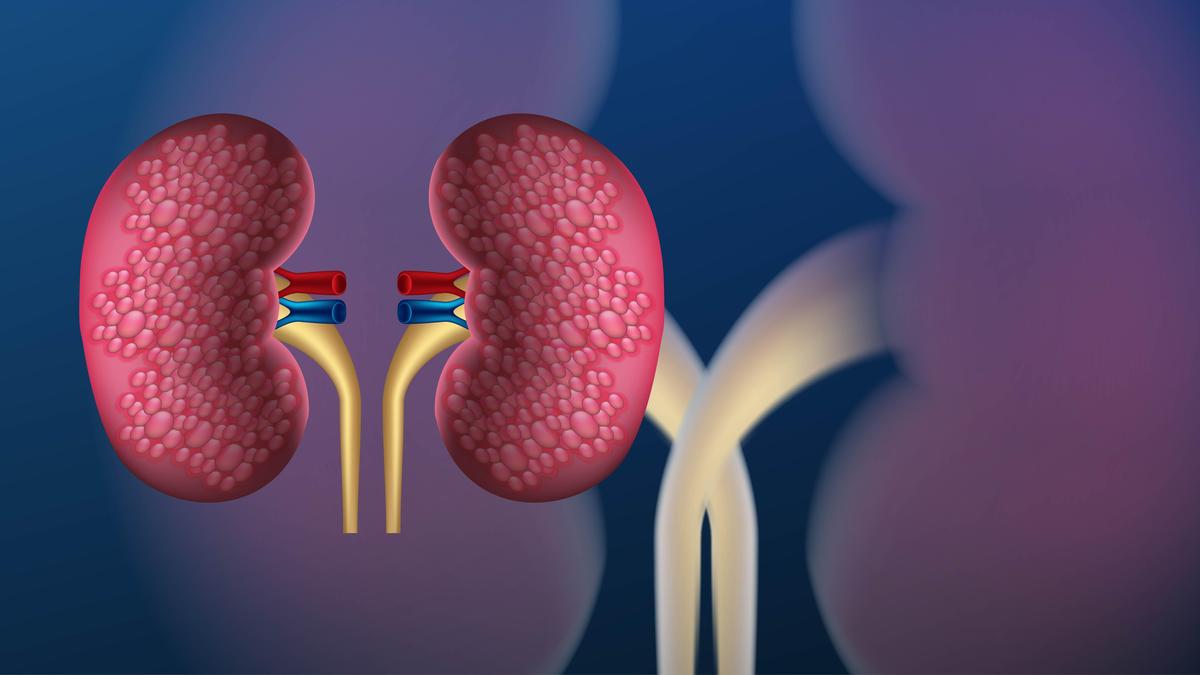
A report published in The Lancet indicates that nearly half of the 844 million people globally suffering from chronic kidney disease (CKD) remain undiagnosed, leading researchers to advocate for routine urine testing to prevent premature death and kidney failure.
The Silent Epidemic: Addressing the Global Crisis of Undiagnosed Chronic Kidney Disease
Recent data published in The Lancet has revealed a staggering public health crisis: of the estimated 844 million people worldwide living with chronic kidney disease (CKD), nearly half remain undiagnosed. This revelation highlights a critical gap in global healthcare screening and underscores the insidious nature of kidney dysfunction, which often progresses without obvious symptoms until the organs are nearing total failure. The scale of this undiagnosed population suggests that millions of individuals are currently navigating their daily lives unaware that their renal function is deteriorating, leaving them vulnerable to catastrophic health collapses.
The Diagnostic Gap and the 'Silent' Nature of CKD
The primary challenge in managing CKD is its asymptomatic progression. In its early stages, the kidneys can often compensate for damage, meaning patients may feel perfectly healthy while their glomerular filtration rate (GFR) steadily declines. This "silent" progression is why such a massive portion of the 844 million cases go undetected. By the time physical symptoms—such as edema, fatigue, or changes in urination—become apparent, the disease has often reached an advanced stage where the damage is irreversible, necessitating dialysis or a kidney transplant.
The Critical Need for Routine Urine Testing
To combat this invisibility, researchers are urgently calling for the implementation of routine urine testing as a standard of care. While blood tests for creatinine are common, they often fail to detect kidney damage in its earliest, most treatable phases. Urine testing, specifically looking for albuminuria (the presence of albumin in the urine), serves as a far more sensitive early warning system. By identifying protein leakage long before blood markers shift, clinicians can intervene with lifestyle changes and pharmacological treatments to slow the progression of the disease, potentially saving millions from the trajectory toward end-stage renal disease (ESRD).
Interconnected Comorbidities: Diabetes and Hypertension
Analyzing this crisis requires understanding the broader medical context of CKD's primary drivers: diabetes and hypertension. These two conditions are the leading causes of kidney damage globally. When blood sugar levels are chronically high or blood pressure is uncontrolled, the delicate filtering units of the kidneys (nephrons) are systematically destroyed. The fact that nearly half of CKD cases are undiagnosed suggests a failure in the integrated management of these comorbidities. If patients with diabetes were screened more rigorously with urine tests, the "hidden" 422 million cases could be identified and managed far more effectively.
Global Disparities in Renal Care
The implications of these findings are particularly grave in low- and middle-income countries. In regions where healthcare infrastructure is sparse, the lack of routine screening means that CKD is often only diagnosed upon arrival at an emergency room in total kidney failure. This creates a devastating cycle of poverty and illness, as the cost of dialysis is prohibitive for many. The call for routine testing is not just a clinical recommendation but a plea for global health equity, urging governments to integrate simple, low-cost diagnostic tools into primary healthcare settings to prevent premature death.
Future Trends: Toward Preventive Nephrology
Looking forward, this report is likely to catalyze a shift toward "preventive nephrology." We can expect a move away from reactive treatment (managing kidney failure) toward proactive screening (preventing failure). The integration of point-of-care testing and the use of AI-driven risk stratification could help clinicians identify high-risk patients more accurately. As the global burden of metabolic syndrome rises, the adoption of the Lancet's recommendations will be the determining factor in whether the number of kidney failure cases continues to climb or begins to stabilize.
Conclusion
The revelation that nearly half of the 844 million CKD cases worldwide are undiagnosed is a wake-up call for global health systems. The transition from passive observation to active screening via routine urine testing is essential. By bridging this diagnostic gap, the medical community can move from treating the end-stage consequences of kidney disease to managing its early onset, ultimately reducing the global incidence of premature death and improving the quality of life for millions.
Verification Required?