679,000 ‘zero-dose’ Indian children didn’t receive single dose of vaccine in their first year in 2025: WHO report
Source Entity
Latest News: Today's Latest News Headlines from India & World | Hindustan Times | Hindustan Times
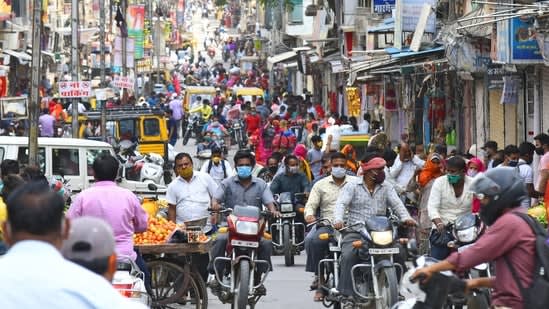
A WHO report indicates that in 2025, approximately 679,000 children in India were classified as 'zero-dose,' meaning they received no vaccines in their first year of life, contributing to a global total of 13.5 million such children.
Analysis of the 2025 WHO Report on Zero-Dose Children
Introduction to the Zero-Dose Crisis
The latest report from the World Health Organization (WHO) has brought a critical public health gap into sharp focus, revealing that 679,000 children in India remained "zero-dose" in 2025. A zero-dose child is defined as an infant who has not received a single dose of any vaccine during their first year of life, most critically the first dose of the diphtheria-tetanus-pertussis (DTP) vaccine. On a global scale, this issue is even more staggering, with an estimated 13.5 million children falling into this high-risk category. This data underscores a significant failure in the reach of primary healthcare systems and highlights the vulnerability of the most marginalized populations.
The Indian Landscape: Barriers to Immunization
While India has made historic strides in immunization through initiatives like Mission Indradhanush, the presence of 679,000 zero-dose children suggests that the "last mile" of delivery remains a formidable challenge. These children are typically concentrated in urban slums, remote tribal belts, or among migrant populations where registration and tracking are difficult. The persistence of these gaps indicates that systemic barriers—such as lack of transport, socioeconomic instability, and inadequate local health infrastructure—continue to prevent the most vulnerable infants from accessing life-saving biologicals. The concentration of these children in specific pockets creates dangerous "immunity gaps" that can trigger localized outbreaks of preventable diseases.
Global Implications and the 13.5 Million Figure
Comparing India's figures to the global total of 13.5 million zero-dose children reveals a broader systemic crisis in global health equity. The fact that millions of children are entirely missed by vaccination programs suggests that the global health architecture is struggling to keep pace with population shifts, conflicts, and the aftermath of economic instability. When a significant portion of the global infant population remains unvaccinated, the risk of vaccine-preventable diseases (VPDs) like measles, polio, and pertussis rebounding increases. This global vulnerability means that a localized outbreak in one region can quickly escalate into a cross-border health emergency due to international travel and migration.
Clinical Risks and Long-term Health Consequences
For the 679,000 children in India and the millions globally, being "zero-dose" is not merely a statistical omission but a severe clinical risk. The first year of life is the most critical window for building immunity; missing these vaccines leaves infants entirely susceptible to pathogens that their immune systems are too immature to fight. This often leads to higher infant mortality rates and long-term morbidity, including permanent disability or developmental delays caused by preventable infections. From a public health perspective, these children represent the highest priority for "catch-up" immunization strategies to prevent a catastrophic surge in childhood mortality.
Strategic Interventions and Future Trends
Moving forward, the WHO and national health ministries must pivot from general immunization drives to targeted, data-driven interventions. The identification of zero-dose children allows health officials to map "cold spots" where vaccines are not reaching. Future trends will likely see an increase in the use of digital health registries and community-based outreach programs to track newborns in real-time. To eliminate the zero-dose phenomenon, there must be an integration of vaccination with other primary health services, ensuring that nutrition, maternal care, and immunization are delivered as a comprehensive package rather than isolated events.
Conclusion: A Call for Equitable Health Access
In summary, the 2025 WHO report serves as a stark reminder that despite scientific advancements in vaccine development, delivery remains the primary hurdle. The 679,000 zero-dose children in India and the 13.5 million globally represent a critical failure in equitable healthcare access. Addressing this gap requires more than just providing vaccines; it requires a fundamental strengthening of the grassroots health workforce and a commitment to reaching the most invisible members of society. Only by closing these immunity gaps can the global community hope to achieve a future free from preventable childhood diseases.
Verification Required?