A 26-year-old with Type 1 diabetes died after stopping insulin. Here’s what happened
Source Entity
The Indian Express
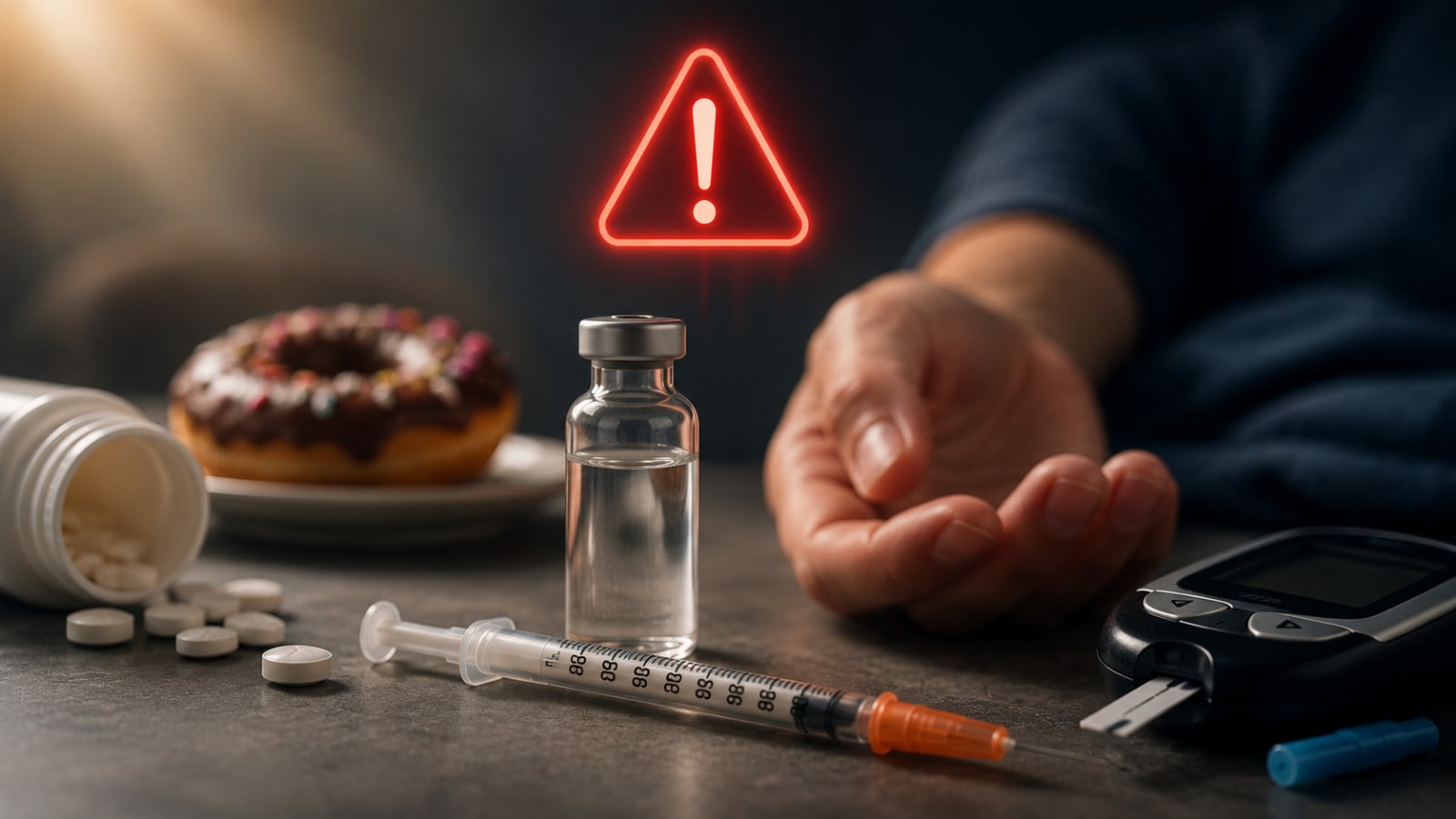
The tragic death of a 26-year-old with Type 1 diabetes after stopping insulin serves as a critical warning about the rapid onset of Diabetic Ketoacidosis (DKA) and the absolute necessity of insulin therapy for Type 1 patients.
The Fatal Risk of Insulin Cessation in Type 1 Diabetes
The reported death of a 26-year-old individual with Type 1 diabetes following the cessation of insulin therapy highlights a devastating medical reality: for those with this specific condition, insulin is not merely a management tool, but a life-sustaining requirement. While the general public often perceives diabetes as a slow-acting disease characterized by long-term complications like neuropathy or kidney failure, Type 1 diabetes presents an acute risk. The absence of insulin can trigger a rapid systemic collapse, transforming a manageable chronic condition into a lethal emergency within a matter of days or even hours.
Understanding the Pathophysiology of Type 1 Diabetes
To analyze this event, it is essential to distinguish Type 1 diabetes from the more common Type 2. Type 1 is an autoimmune condition where the pancreas produces little to no insulin. Insulin acts as the 'key' that allows glucose to enter cells to be used for energy. Without it, glucose builds up in the bloodstream while the cells starve. When a patient stops taking insulin, the body enters a state of crisis, searching for alternative energy sources. This leads to the breakdown of fats at an accelerated rate, which produces acidic byproducts known as ketones.
The Mechanism of Diabetic Ketoacidosis (DKA)
The specific cause of death in cases where insulin is stopped is typically Diabetic Ketoacidosis (DKA). As ketones accumulate in the blood, they lower the blood's pH level, making it dangerously acidic. This metabolic acidosis disrupts nearly every organ system. Symptoms often progress from extreme thirst and frequent urination to nausea, vomiting, abdominal pain, and eventually a state of confusion or coma. For a young adult, the progression to DKA can be deceptively fast, leading to cerebral edema or cardiac arrest if not treated immediately with intravenous fluids and carefully titrated insulin in a hospital setting.
Addressing the Psychological and Social Drivers
Analyzing why a 26-year-old would stop a life-saving medication requires looking at the broader context of 'diabetes burnout.' Managing Type 1 diabetes is a 24/7 burden involving constant glucose monitoring, carbohydrate counting, and precise dosing. For young adults, the psychological toll of this regimen can lead to depression or a period of rebellion against the disease. Furthermore, the rise of medical misinformation online—where 'natural cures' or 'insulin-free' protocols are falsely promoted—can lead vulnerable patients to believe they can manage their condition without pharmaceutical intervention, with catastrophic results.
Broader Implications for Public Health
This tragedy underscores a critical gap in public health education regarding the urgency of Type 1 diabetes care. There is a pressing need for integrated care models that treat both the physiological and psychological aspects of the disease. When mental health support is decoupled from endocrine care, patients are at a higher risk of non-compliance. This case serves as a stark reminder to healthcare providers to screen for burnout and depression as aggressively as they screen for A1c levels, ensuring that patients have the emotional resilience to maintain their life-saving regimens.
Future Trends in Diabetes Management
Looking forward, the integration of technology may reduce the occurrence of such tragedies. The widespread adoption of Continuous Glucose Monitors (CGMs) and automated insulin delivery systems (closed-loop pumps) provides a safety net by alerting patients and caregivers to dangerous glucose swings in real-time. As these technologies become more accessible and affordable, the likelihood of undetected DKA decreases. However, technology cannot replace the fundamental understanding that for Type 1 diabetics, insulin is non-negotiable.
Conclusion
The death of this 26-year-old is a sobering reminder of the volatility of Type 1 diabetes. It illustrates that the window between stability and a life-threatening emergency is perilously small when insulin is removed from the equation. By combining advanced medical technology with robust psychological support and accurate public education, the medical community can work toward preventing these avoidable deaths and ensuring that patients are equipped to handle the lifelong demands of their condition.