Landlady to 9/11 hijackers reveals their links to alleged Saudi spy
Source Entity
BBC News
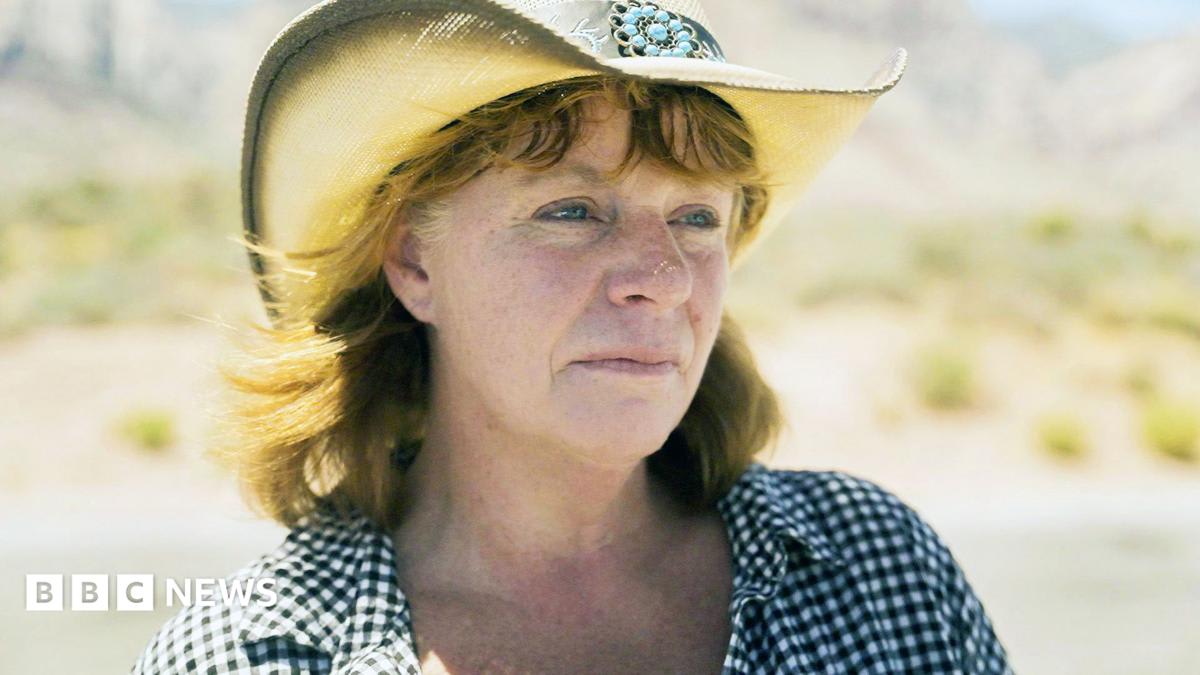
A former San Diego landlady has spoken to the BBC about her interactions with Omar al-Bayoumi, an alleged Saudi spy linked to two 9/11 hijackers. Her testimony provides a chilling look at how the operatives integrated into American life before the terror attacks.
The Hidden Faces of 9/11: A Landlady’s Perspective
For the first time, Holly Ratchford, a former property manager in San Diego, has broken her silence to the BBC regarding her direct interactions with Omar al-Bayoumi. Bayoumi, a Saudi national in his early 40s, arrived at the Parkwood Apartments complex in September 1999. His presence, initially perceived as that of a friendly, family-oriented neighbor, serves as a stark reminder of the clandestine nature of the individuals who laid the groundwork for the September 11 attacks. This testimony provides a rare, humanizing look at the mundane reality that masked a global tragedy.
The Facade of Normalcy
Ratchford’s account highlights the unsettling contrast between the public persona of the hijackers' associates and their true intentions. Described as "bubbly," "smiling," and "very, very friendly," Bayoumi successfully integrated into the social fabric of the apartment complex, even attending pool parties. This ability to blend in—to appear as an unassuming, polite neighbor—is a hallmark of intelligence operations designed to evade detection. By establishing himself as a reliable and social resident, Bayoumi was able to operate with minimal suspicion from those living in his immediate vicinity.
Connections to the Hijackers
The narrative takes a darker turn as Ratchford details how Bayoumi introduced her to two other men who eventually moved into the complex. These individuals, characterized as "polite" at the time, were later identified as al-Qaeda members involved in the 9/11 plot. This introduction marks a critical intersection between the everyday life of a San Diego residential community and the logistical preparations for the attacks on the United States. It underscores the chilling reality that the perpetrators of history’s most significant terror event were, for a time, living in plain sight within American suburbs.
Broader Implications of Intelligence Networks
Beyond the personal shock expressed by Ratchford, the case of Omar al-Bayoumi remains a point of significant interest for historians and intelligence analysts. Allegations that Bayoumi acted as a Saudi spy suggest a level of support that has long been the subject of speculation and legal scrutiny. The fact that he was able to facilitate the arrival and housing of al-Qaeda operatives points to a pre-existing infrastructure that allowed these individuals to navigate American society with relative ease prior to the attacks.
Reflecting on a Dark History
For those who lived through the trauma of 9/11, Ratchford’s struggle to reconcile the man she knew with the man accused of being a central figure in the plot is deeply resonant. It forces a re-examination of the "banality of evil," where individuals who seem entirely ordinary in social settings can harbor extremist ideologies. This story serves as a historical case study on how intelligence assets utilize social engineering to achieve their goals, often leaving unwitting civilians in the wake of their actions.
Conclusion
Ultimately, Holly Ratchford’s revelations provide a vital, if disturbing, piece of the puzzle regarding the lead-up to September 11. By documenting the presence of Omar al-Bayoumi and his associates in San Diego, we gain a clearer understanding of how the plotters operated. This account not only preserves a critical historical perspective but also reminds us of the fragility of security and the often-hidden realities that exist behind the closed doors of our own neighborhoods.