Where Prakash Padukone, Syed Modi and a generation made their mark
Source Entity
Latest News: Todays Latest News Headlines from India & World | Hindustan Times | Hindustan Times
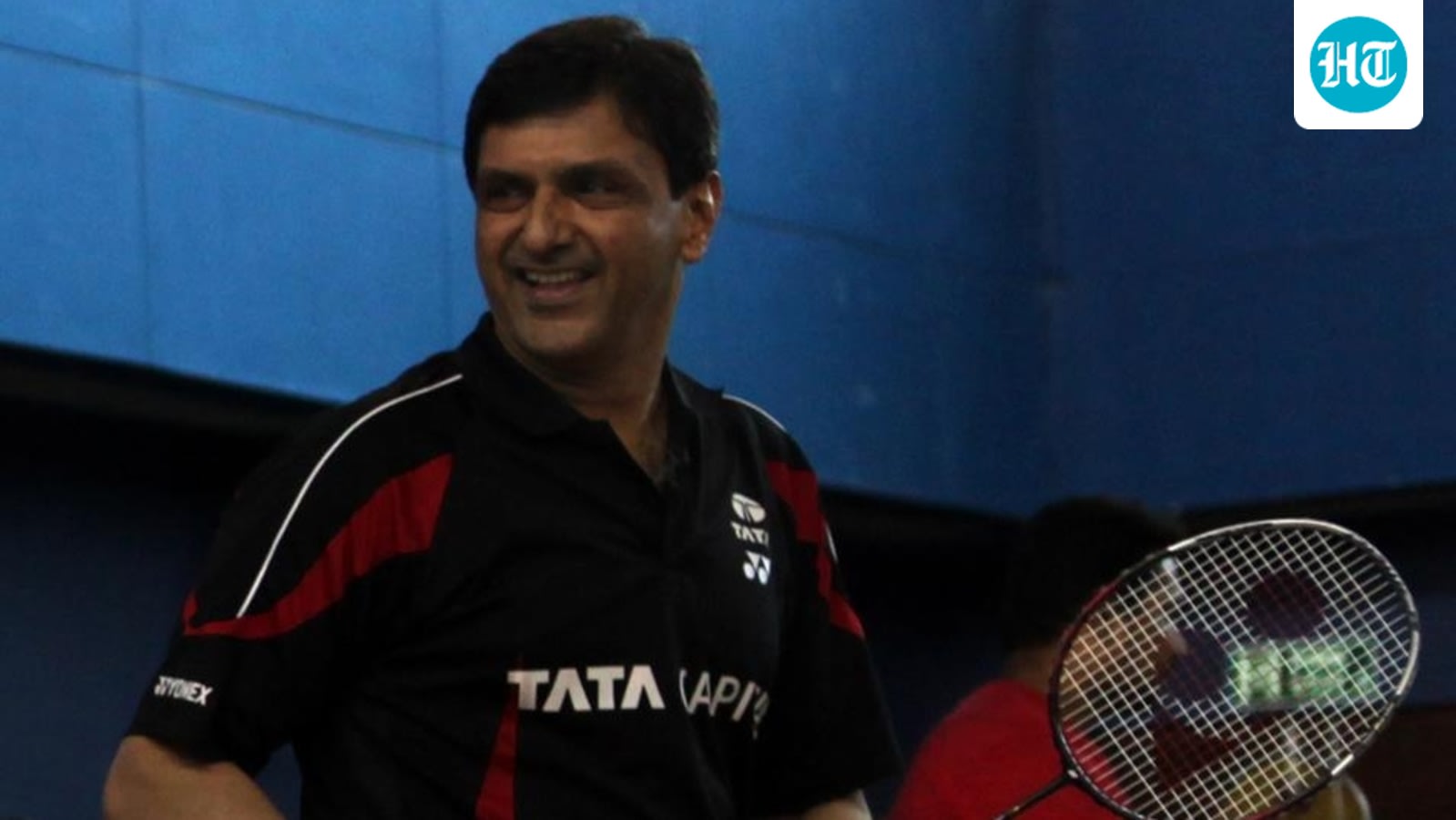
The Indira Gandhi Indoor Stadium remains a cornerstone of Indian badminton history, immortalizing legends like Prakash Padukone and Syed Modi. Their performances in the 1982 Asian Games and 1988 Thomas Cup defined an era of growth for the sport in India.
The Cradle of Indian Badminton: A Legacy at Indira Gandhi Indoor Stadium
The Indira Gandhi Indoor Stadium in New Delhi stands as more than just an architectural landmark; it serves as a hallowed ground for Indian badminton. Over the decades, this venue has witnessed the evolution of the sport from a niche pastime into a globally competitive discipline. The historical significance of this stadium is inextricably linked to the grit and determination of players who turned the tide for India on the international stage.
The 1982 Asian Games: A Breakthrough Moment
One of the most defining chapters in Indian sports history occurred during the 1982 Asian Games. It was here that Syed Modi etched his name into the record books by securing a singles bronze medal—the first individual badminton medal for India at the Asian Games. His journey to the podium included a legendary, high-stakes encounter with the Indonesian maestro Liem Swie King. Although Modi fell short against the world-class titan, the resilience he displayed signaled to the world that India was a rising force in the badminton circuit.
Scaling the Thomas Cup Heights
Building on the momentum of the early 80s, the stadium hosted another pivotal moment in 1988 during the Thomas Cup qualification rounds. In a display of tactical brilliance and team unity, India managed to defeat formidable opponents, including Japan and Thailand. This victory was a milestone, propelling India into the elite tier of the top eight badminton-playing nations globally. The effort was a collective masterclass, featuring the experience of Prakash Padukone and the emerging talent of U Vimal Kumar.
Icons of the Court
At the heart of these achievements were the legends themselves. Prakash Padukone, a trailblazer for Indian sports, demonstrated his versatility by excelling in both singles and doubles, the latter alongside partner Uday Pawar. His presence provided the necessary stability and tactical acumen for the team. Simultaneously, the combination of Syed Modi’s competitive fire and the youthful energy of U Vimal Kumar created a balanced squad capable of dismantling established Asian powerhouses.
Broader Implications and Future Trends
These historical successes at the Indira Gandhi Indoor Stadium served as the bedrock for the modern Indian badminton boom. By proving that Indian athletes could compete with and defeat nations like Japan and Thailand, these players dismantled the psychological barriers that had long hindered the sport's development. This era established a blueprint for systematic training and international exposure, which continues to influence the current generation of Indian shuttlers who now dominate the global rankings.
Conclusion: A Lasting Heritage
The legacy of the 1982 and 1988 campaigns serves as a reminder of the foundational work laid by Padukone, Modi, and their peers. As the sport continues to evolve, the Indira Gandhi Indoor Stadium remains a symbol of this transformative period. The memories of those bronze medals and qualification victories represent the spirit of excellence that defines Indian badminton, ensuring that the contributions of these pioneers are never forgotten by future generations of athletes.
Verification Required?