What do we do now? Lessons from the historic US midterm election
Source Entity
Tom Goldstein
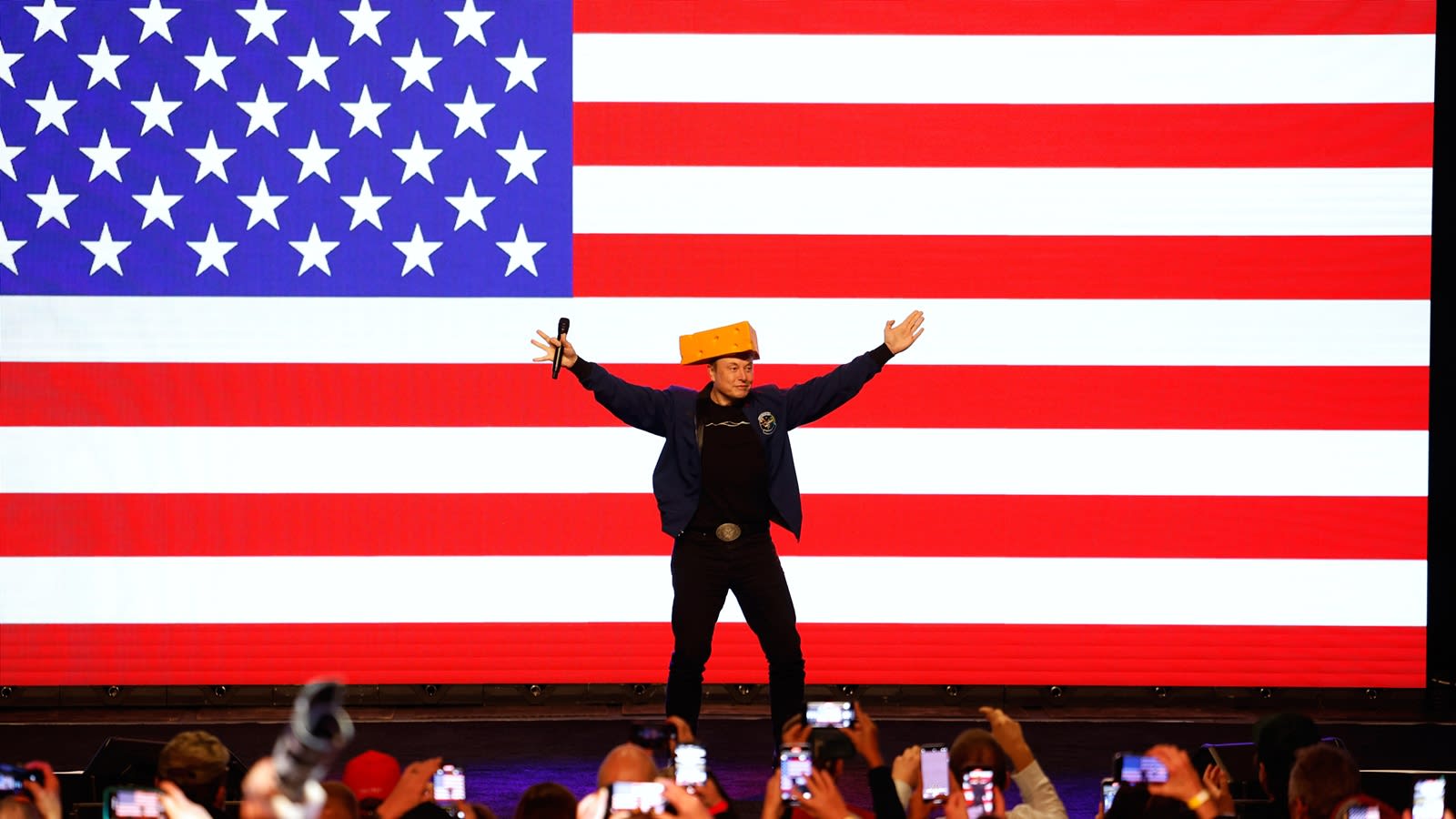
The recent US midterm elections have prompted a period of reflection on the changing landscape of American politics. Key takeaways include a shifting influence of campaign finance and a need to reassess traditional political strategies.
The Post-Election Inquiry: What Happens Now?
The iconic final scene of the 1972 film The Candidate, featuring Robert Redford as a confused senator-elect, perfectly encapsulates the current sentiment following the recent US midterm elections. Much like the character’s earnest query, "What do we do now?" observers, journalists, and political strategists are currently grappling with the aftermath of a historic vote that defied conventional wisdom and challenged long-held assumptions about the American electoral process.
The Erosion of Financial Dominance
One of the most significant takeaways from this election cycle is the apparent decline in the efficacy of raw capital in securing electoral victory. For decades, the prevailing narrative in American politics suggested that massive fundraising efforts and high-cost advertising campaigns were the primary engines of success. However, recent results suggest that the correlation between record-breaking spending and electoral outcomes is weakening, forcing both major parties to re-evaluate their reliance on traditional financial influence.
Analyzing the Political Landscape
As the dust settles, the search for superlatives to describe this election highlights its unique nature. The results have effectively sent pundits back to the drawing board, as traditional polling models and historical trends failed to predict the nuanced behavior of the electorate. This shift suggests a more volatile and less predictable voter base, influenced by factors that go beyond the standard metric of party loyalty or campaign budget size.
Historical Context and Future Trends
Historically, midterm elections serve as a referendum on the sitting president's party. While this election followed that pattern in some respects, the specific outcomes indicate a departure from standard cyclical swings. The emerging trend suggests that voters are increasingly motivated by localized issues and specific candidate traits rather than broad national directives. This decentralization of political priority will likely complicate national strategy for both parties heading into future cycles.
Implications for Governance
Looking forward, the question of "what do we do now" extends beyond the campaign trail and into the halls of government. The lack of a clear mandate or a "wave" election creates a legislative environment characterized by thin margins and the necessity for compromise. This reality will test the resilience of political institutions as they attempt to balance partisan agendas with the need for functional governance in a deeply divided climate.
Concluding Reflections
Ultimately, the recent midterm election serves as a critical junction in American political history. By challenging the efficacy of money and forcing a re-evaluation of predictive models, the event has signaled a new era of unpredictability. As the nation moves forward, the lessons learned from this cycle will be vital for any entity seeking to engage with an electorate that is clearly moving away from the conventional tactics of the past.