Libyan unity talks upended as warlord’s son linked to drone attacks on fuel facilities
Source Entity
Patrick Wintour
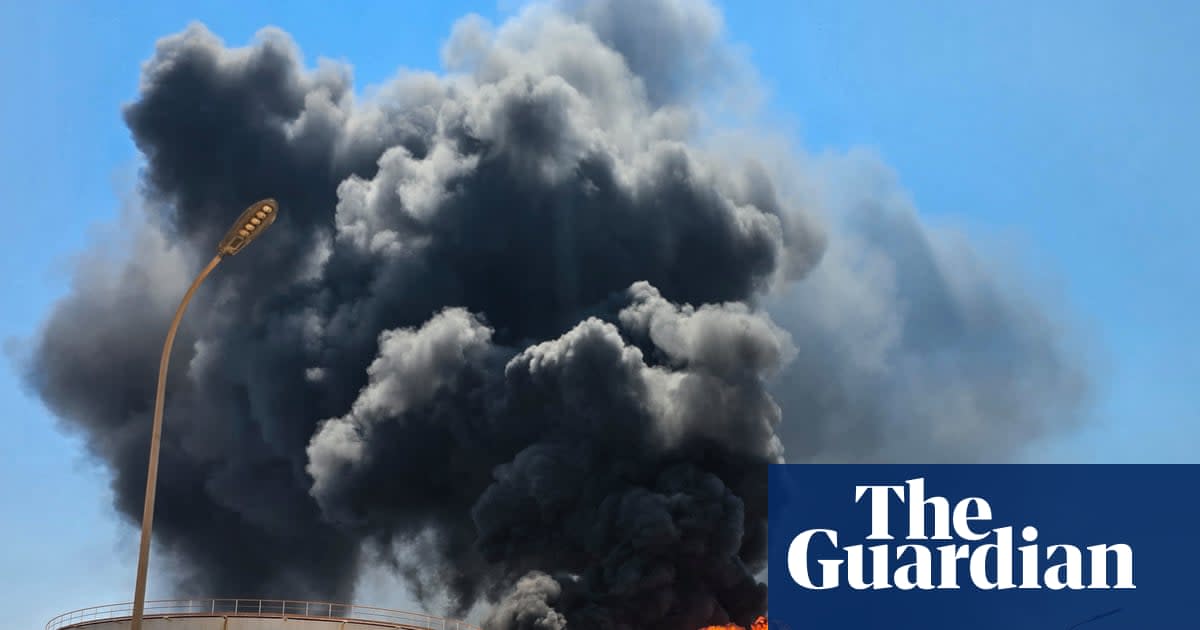
Allegations linking Saddam Haftar to drone attacks on Libyan energy infrastructure have derailed fragile unity talks. This development threatens the US-backed initiative to consolidate security and political institutions between the divided eastern and western factions.
The Fragility of Libyan Reconciliation
The recent allegations linking Saddam Haftar, deputy commander of the Libyan National Army (LNA), to a series of drone attacks against critical fuel storage and power facilities in western Libya have cast a long shadow over the nation's fragile peace process. These strikes, which occurred in August, directly exacerbated the electricity crisis in the west, sparking widespread public outrage and placing the Tripoli-based Government of National Unity (GNU) under significant domestic pressure.
The Impact of Infrastructure Sabotage
By targeting essential energy infrastructure, these attacks did more than just cause blackouts; they eroded the political capital of Prime Minister Abdul Hamid Dbeibah. The GNU, which had been attempting to foster a working relationship with the eastern-based LNA to unify the country, now finds its cooperative framework in jeopardy. The logistical and economic strain caused by the loss of fuel storage has made the prospect of a unified national front increasingly difficult to justify to a frustrated populace.
The Geopolitical Stakes
Saddam Haftar has been viewed by international observers, particularly the United States, as a pivotal figure in plans to consolidate Libya’s fragmented security and judicial institutions. His involvement in such aggressive tactical operations, if proven, undermines the diplomatic narrative that the Haftar family is a reliable partner for state-building. This creates a complex dilemma for Western powers who are attempting to balance the need for stability through engagement with the reality of continued internal aggression.
Historical Context and Internal Division
Libya has remained effectively bifurcated between the east, controlled by the LNA and the Haftar family, and the west, held by the Tripoli-based administration. This divide has historically been characterized by cycles of negotiation followed by military escalation. The current accusations suggest that the "terror cell" activities attributed to Saddam Haftar may represent a shift from traditional proxy warfare to direct sabotage aimed at weakening the western government's administrative legitimacy.
Implications for Future Stability
Looking ahead, the path to a unified Libya remains fraught with uncertainty. If the allegations of drone warfare are substantiated, the trust necessary for political integration may be permanently damaged. The future of the Libyan security sector, once thought to be on a path toward unification, is now likely to revert to a state of heightened alert and suspicion. The international community will face increasing pressure to hold those responsible accountable, which could further isolate the LNA leadership and delay long-awaited national elections.
Conclusion
The disruption of unity talks serves as a stark reminder of how fragile the peace process in Libya remains. As the GNU struggles to address the power outages and the public outcry resulting from these attacks, the dream of a unified, stable, and sovereign Libya continues to be hindered by the very actors who claim to be part of the solution. The situation remains in flux, with regional stability hanging in the balance.