How Lily Sawian is taking Khasi music beyond Shillong
Source Entity
Anusree K C
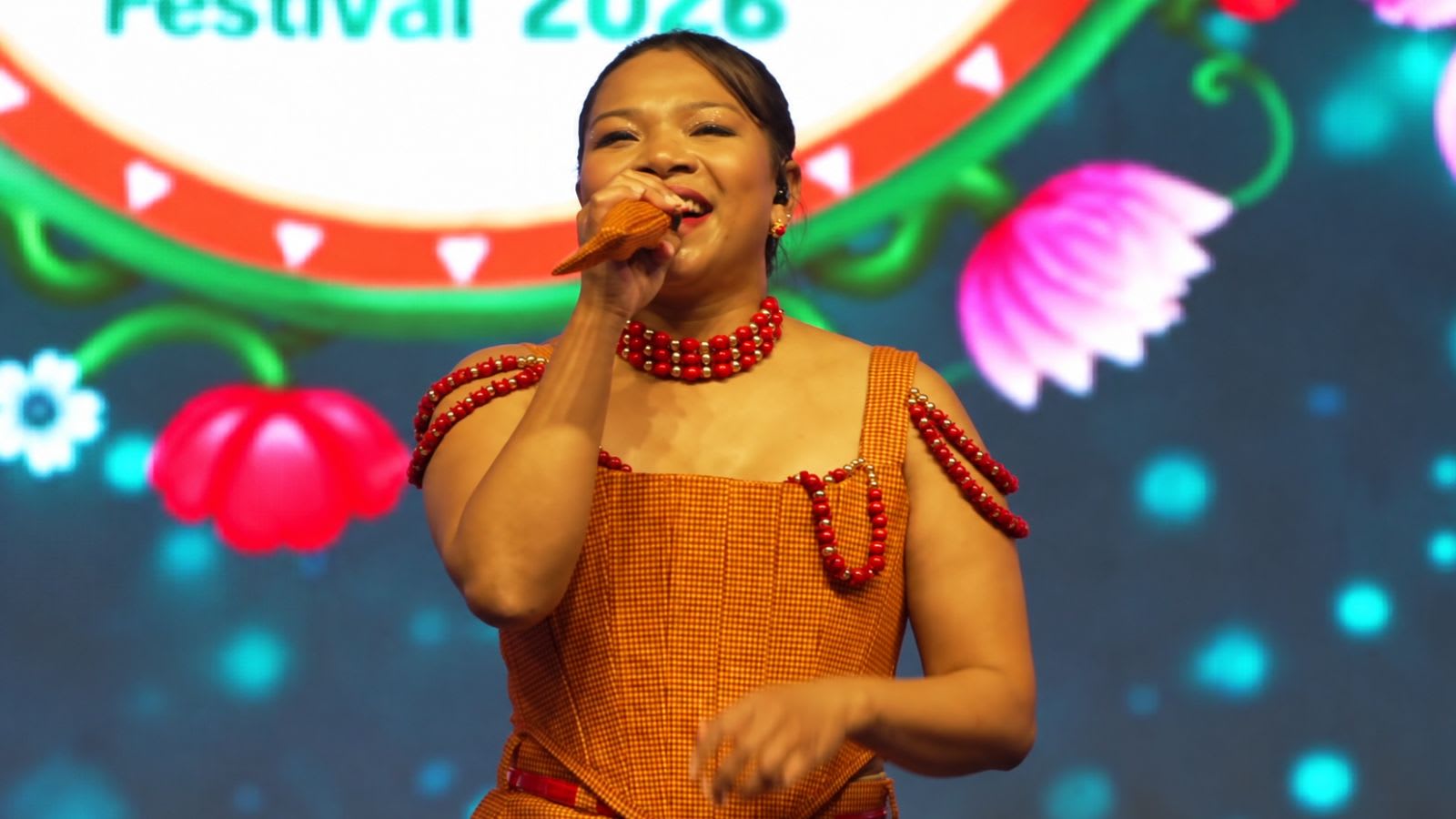
Khasi singer-songwriter Lily Sawian is bridging cultural gaps by performing traditional music on national stages. Her participation in the North East Students’ Festival highlights the growing influence of regional North East Indian artistry.
The Rise of Khasi Music on the National Stage
Lily Sawian’s recent performance at the ninth edition of the North East Students’ Festival (NESt Fest 2026) marks a significant moment for the cultural representation of Meghalaya in the national mainstream. By performing in front of a diverse audience far from her home in Shillong, Sawian is effectively transitioning Khasi musical traditions from regional obscurity to a broader, pan-Indian platform. This shift is reflective of a larger movement where artists from the North East are increasingly being recognized for their unique contributions to the Indian musical landscape.
Roots of a Musical Journey
The foundation of Sawian’s artistry is deeply embedded in her upbringing. Her early exposure to music began at the age of three or four, heavily influenced by her mother, Elizabeth, and her father, Peter Kharnarry. Their involvement in church choirs and the performance of folk songs provided a dual-layered musical education that combined liturgical traditions with indigenous Khasi storytelling. This familial background is common among many successful artists from the region, where music is often deeply integrated into community and religious life.
The Role of NESt Fest in Cultural Diplomacy
Organized by the NGO My Home India, the NESt Fest 2026, themed ‘The Sound of India’s Yuva Shakti’, serves as a crucial conduit for youth from the North East to engage with the rest of the country. By providing a stage for talents like Sawian, the festival functions as a mechanism for cultural diplomacy. It challenges the geographic and psychological distance that often separates the North East from the rest of India, using music as a universal language to foster national integration.
Navigating the Transition to Mainstream
Transitioning from local church choirs and school performances at institutions like Loreto Convent to large-scale national festivals requires both artistic skill and a strong sense of identity. For Sawian, the journey is not just about personal success but about acting as an ambassador for Khasi culture. Her ability to articulate the emotional weight of performing "away from home" underscores the complexity of identity for artists who carry the sounds of their heritage into urban centers.
Future Trends and Cultural Impact
As more artists like Lily Sawian gain national visibility, we can expect a shift in how regional music from the North East is perceived by the Indian public. The integration of traditional folk elements with contemporary performance styles is likely to continue, potentially influencing the broader Indian music industry. The success of events like NESt Fest suggests that there is a growing appetite for authentic, regional narratives, which bodes well for the future of indigenous artists aiming to reach wider audiences while maintaining their cultural integrity.