Where has Lindsay Clancy been for the last 3 years? Inside her medical custody after her children’s deaths
Source Entity
Latest News: Todays Latest News Headlines from India & World | Hindustan Times | Hindustan Times
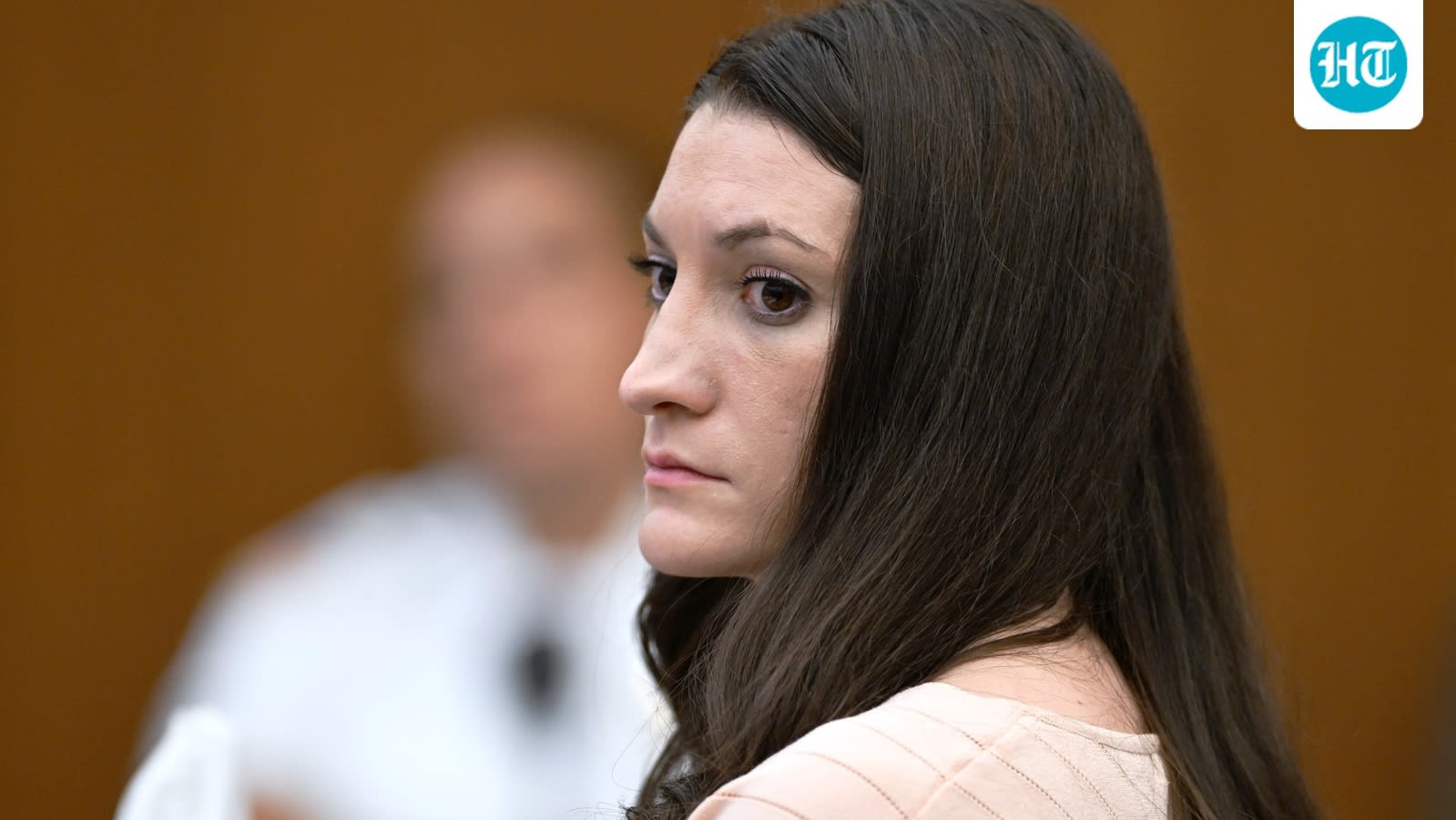
Lindsay Clancy has spent the last three years in medical and psychiatric custody following the 2023 deaths of her three children. She remains under clinical care due to severe spinal injuries sustained during the incident and ongoing psychiatric needs.
The Legal and Medical Custody of Lindsay Clancy
For the past three years, the case of Lindsay Clancy has remained a subject of intense public scrutiny and legal complexity. Following the tragic events of January 24, 2023, in Duxbury, Massachusetts, which resulted in the deaths of her three children—Cora, Dawson, and Callan—Clancy has been held in medical and psychiatric custody rather than a traditional correctional facility. This unique arrangement underscores the intersection of severe physical trauma and the legal process.
The Incident and Immediate Aftermath
On January 24, 2023, Lindsay Clancy suffered life-altering injuries after jumping from the second floor of her home. The resulting major spinal injury left her unable to walk, necessitating immediate and long-term specialized medical intervention. Her initial period of care took place at Brigham and Women’s Hospital in Boston, where she remained for several weeks following the incident. This medical necessity dictated the early stages of her custody, as her physical condition precluded incarceration in a standard detention center.
Legal Proceedings Under Clinical Care
Despite her confinement to a hospital setting, the legal process against Clancy continued. On February 7, 2023, she appeared virtually for her arraignment from her hospital bed, where she entered a plea of not guilty to the charges brought against her. This virtual appearance highlighted the procedural adjustments required when a defendant is physically incapacitated, ensuring that the wheels of justice could turn while respecting the medical limitations imposed by her injuries.
Transitions Through Rehabilitation and Psychiatric Facilities
As her recovery progressed, Clancy’s custody was transferred to address both her physical rehabilitation and ongoing mental health requirements. Her trajectory included a transfer to Spaulding Rehabilitation Hospital, followed by a move to Tewksbury State Hospital by May 2023. These transfers signify a shift from acute trauma care to long-term psychiatric and rehabilitative oversight, a common path for defendants whose health status is deemed too fragile for the general prison population.
Broader Implications and Future Trends
The Clancy case serves as a poignant example of how the American judicial system manages defendants who are simultaneously patients. The decision to keep a defendant in medical or psychiatric facilities for years reflects the state's obligation to provide necessary care while maintaining custody. As the legal proceedings continue, the court must balance the severity of the charges with the reality of a defendant who requires constant medical supervision, a dynamic that often slows the pace of criminal litigation significantly.
Conclusion
Three years after the tragic loss of her children, Lindsay Clancy remains a figure defined by the medical and legal limbo of her situation. Her confinement in state-run psychiatric and rehabilitation facilities highlights the complexities of navigating criminal accountability when severe physical and mental health crises are inextricably linked to the underlying case. The outcome of her ongoing legal battle continues to be heavily influenced by the limitations and requirements of her custodial medical environment.
Verification Required?