Trump announces 'economic warfare' on Iran, threatens ‘tremendous’ consequences for its backers
Source Entity
US Top News and Analysis
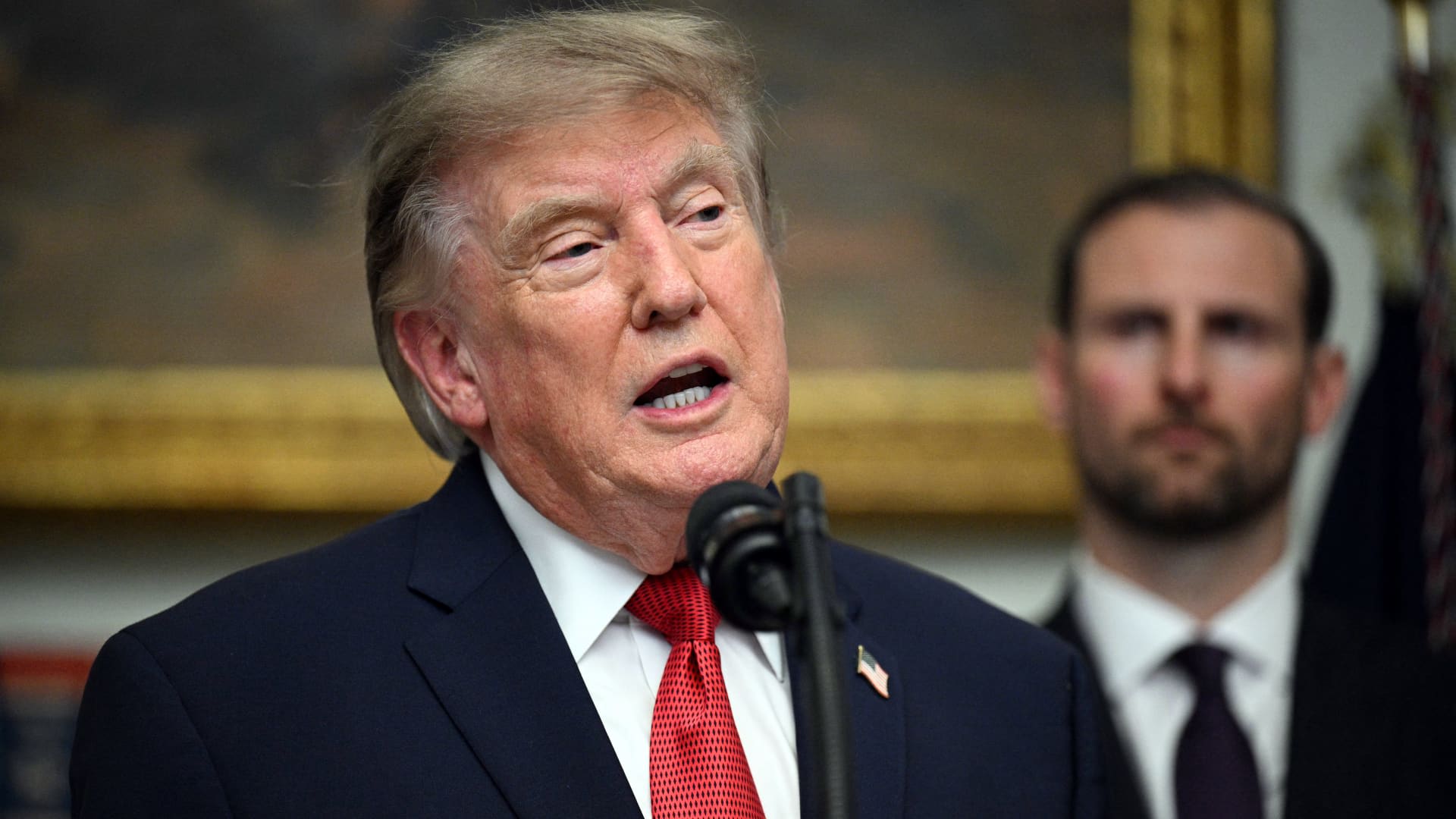
President Donald Trump has announced an 'Economic D-Day' against Iran, signaling a new phase of intense financial pressure. The administration is threatening severe repercussions for any nation or entity that assists Tehran in bypassing sanctions.
The Escalation of 'Operation Economic Fury'
President Donald Trump has officially declared an escalation in the United States' geopolitical strategy against Iran, framing the new initiative as an 'Economic D-Day.' This announcement marks a significant expansion of the ongoing 'Operation Economic Fury,' a campaign that has been active since April 2026. By characterizing these actions as 'economic warfare,' the administration is signaling a move beyond traditional diplomatic pressure toward a comprehensive effort aimed at the total financial isolation of the Iranian state.
Targeting the Iranian Infrastructure
Central to the President's recent rhetoric is the assertion that Iran’s military capabilities—specifically its navy, air force, and production facilities—have already been effectively neutralized. By claiming that the Iranian currency has been rendered worthless and that the regime is 'hanging by a thread,' the administration is attempting to frame this economic offensive as the final stage of a broader campaign. The shift in tone suggests an attempt to capitalize on perceived internal vulnerabilities within Iran to force a change in regional conduct.
Secondary Sanctions and Global Implications
Perhaps the most significant component of this announcement is the warning directed at third-party nations. President Trump has explicitly threatened 'tremendous' economic consequences for any country—including their financial institutions, businesses, and airports—that provides a 'lifeline' to Tehran. This strategy of extraterritorial enforcement is designed to squeeze Iran’s remaining economic channels by forcing global entities to choose between maintaining access to the U.S. financial system or conducting business with the Iranian state.
The Context of the Roosevelt Room Meeting
Interestingly, these declarations were made during a period of high-level engagement with cryptocurrency executives, including the leadership of Gemini. While the exact intersection between digital asset policy and the campaign against Iran remains developing, the timing suggests that the administration may be looking to leverage modern financial technology to monitor or restrict illicit capital flows that could be used to circumvent traditional banking sanctions.
Historical Precedent and Future Trends
This 'Economic D-Day' represents an evolution of the 'maximum pressure' doctrine previously seen in U.S.-Iran relations. By escalating the rhetoric to 'unprecedented' levels, the current administration is setting a high bar for international compliance. Moving forward, the effectiveness of this policy will depend on the willingness of major global trading partners to adhere to these demands. If international actors continue to seek loopholes, the U.S. will likely face a difficult choice between further escalation and the practical limitations of unilateral economic power.
Concluding Outlook
Ultimately, the administration’s strategy is a high-stakes gamble on the collapse of Iranian economic resilience. By combining military claims with the threat of secondary sanctions, the U.S. is attempting to force a decisive outcome. The coming months will be critical in determining whether this 'economic warfare' achieves its stated objective or leads to a further fracturing of global trade alliances.
Multiple Citing Sources