Michael P. Desronvil: Lindsay Clancy holdout juror says he's being targeted because he is a ‘Black Republican’
Source Entity
Latest News: Todays Latest News Headlines from India & World | Hindustan Times | Hindustan Times
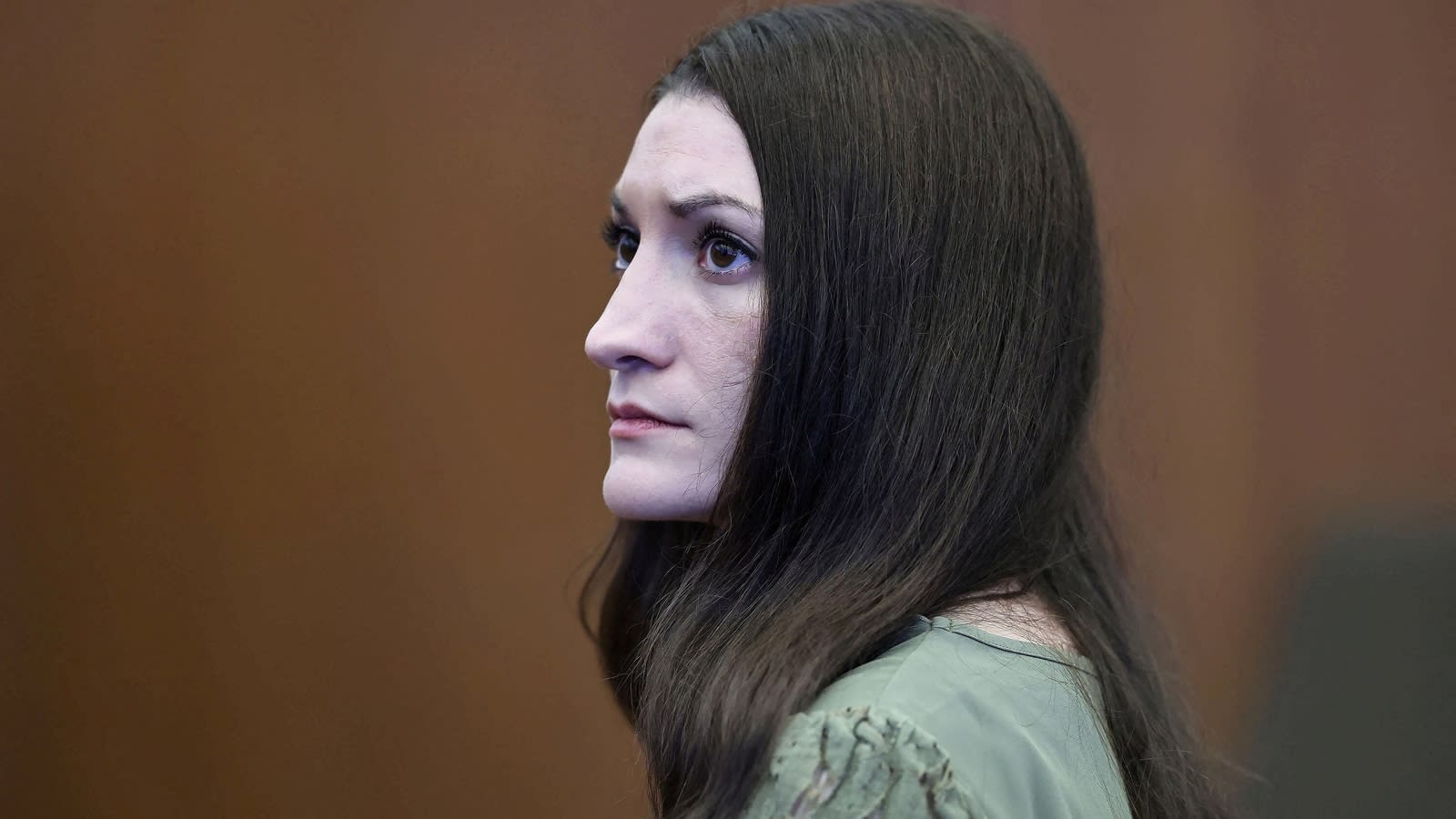
The Lindsay Clancy triple homicide trial ended in a mistrial after juror Michael P. Desronvil served as the sole holdout against an acquittal. Subsequent reports revealed Desronvil faced domestic violence allegations and an active restraining order during the trial, sparking significant scrutiny regarding jury selection protocols.
The Lindsay Clancy Mistrial: A Crisis of Jury Selection
The recent declaration of a mistrial in the high-profile triple homicide case of Lindsay Clancy has sent shockwaves through the Massachusetts judicial system. The trial, which centered on the 2023 deaths of Clancy’s three minor children, was intended to determine whether she bore criminal responsibility or was not guilty by reason of mental illness, specifically citing postpartum psychosis. However, the legal process reached a sudden impasse when Michael P. Desronvil, a 48-year-old juror from Bridgewater, stood as the lone dissenter, refusing to join the other jurors in an acquittal verdict.
The Controversy Surrounding Michael P. Desronvil
Following the mistrial declared by Judge William Sullivan on September 4, 2026, investigative reporting by the Boston Globe and NBC10 Boston uncovered significant red flags regarding Desronvil’s background. It has been revealed that Desronvil was facing domestic violence allegations and was subject to an active restraining order during the course of the trial. Furthermore, court records indicate he was simultaneously navigating an eviction case due to unpaid rent. These disclosures have cast a long shadow over the integrity of the jury selection process, as questions arise regarding how such critical personal information went unnoticed or unaddressed by the court during voir dire.
Implications for the Judicial Process
The presence of a juror with a history of domestic violence in a case involving the death of children is particularly sensitive, given the potential for inherent bias or conflicting personal experiences. The fact that this individual was the sole holdout in a high-stakes murder trial suggests a profound failure in the screening mechanisms designed to ensure an impartial jury. The legal community is now grappling with the implications of this oversight, as it highlights potential vulnerabilities in how courts vet jurors for psychological stability and personal histories that might affect their ability to serve as neutral arbiters of justice.
Challenges in Evaluating Mental Health Defenses
Beyond the juror controversy, the case itself represents a complex intersection of law and mental health. The defense's reliance on the argument that Clancy suffered from postpartum psychosis placed the jury in the position of evaluating the nuances of psychiatric distress versus criminal intent. The deadlock not only delayed justice for the victims but also prolonged the emotional toll on all parties involved. This outcome underscores the difficulty juries face when tasked with weighing severe criminal acts against evidence of profound psychological suffering.
Future Trends and Judicial Reform
As the Massachusetts court system reviews the circumstances of the Clancy trial, it is likely that calls for more rigorous juror background checks will intensify. The incident serves as a cautionary tale for the judiciary, illustrating how personal baggage can derail years of legal preparation and public expectation. Moving forward, the courts may need to implement enhanced vetting procedures, perhaps involving more comprehensive background investigations to detect active restraining orders or pending litigation that could compromise a juror's focus or impartiality.
Conclusion
Ultimately, the Lindsay Clancy mistrial remains a stark reminder of the fragile nature of the jury system. While the legal process is designed to be deliberative and fair, its success relies heavily on the transparency and suitability of those selected to serve. The revelations regarding Michael P. Desronvil have necessitated a broader conversation about the standards required for jury service and the imperative to protect the sanctity of the courtroom from external personal conflicts.
Verification Required?