Live Cattle Weakness Meets a Still-Tight Supply Picture
Source Entity
Yahoo Finance
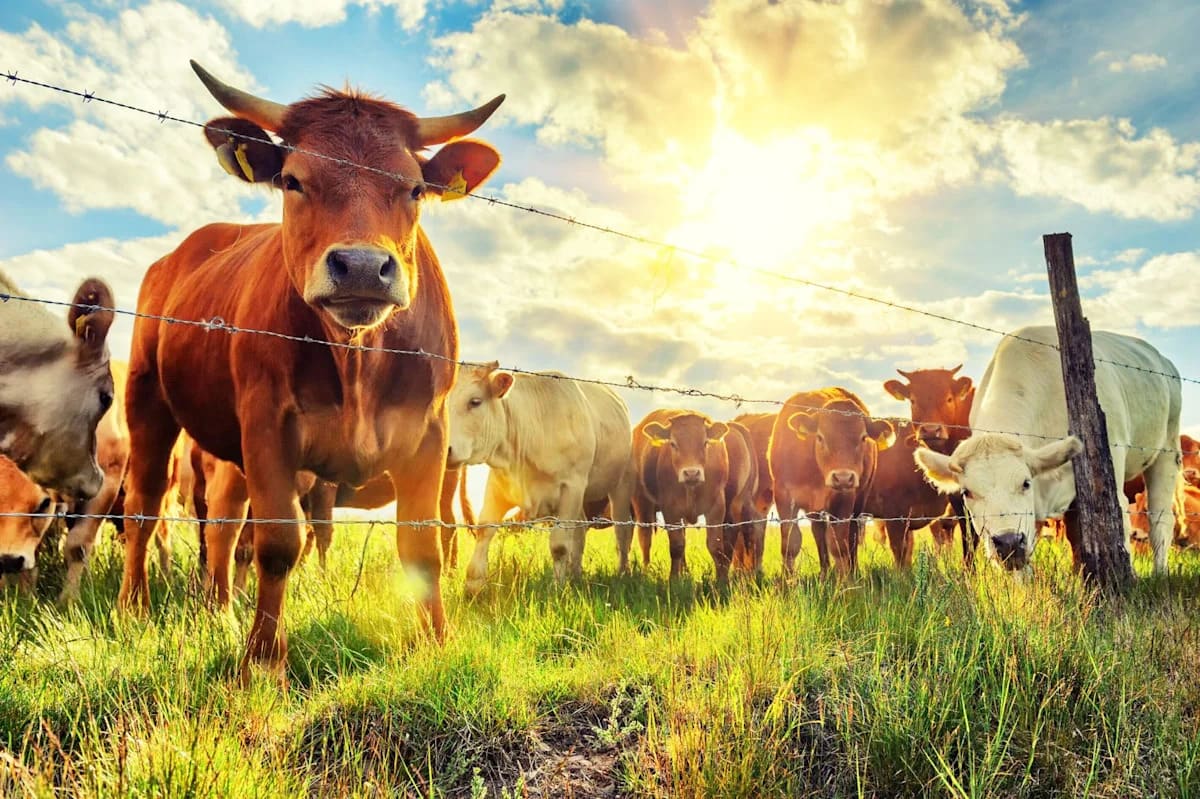
Recent cattle market volatility is being driven by localized drought conditions in the southern U.S. rather than just broad climate patterns. While immediate heat-induced liquidation is softening prices, analysts expect a long-term tightening of supply due to reduced calf crops.
The Dual Nature of Cattle Market Volatility
The current state of the U.S. cattle market presents a complex interplay between immediate market pressures and long-term structural supply constraints. While headline reports often point toward climate phenomena like El Niño as a primary driver, the reality is far more nuanced. The market is currently experiencing a temporary surplus of cattle being brought to market, driven largely by rapid-onset drought conditions and extreme heat across the southern United States, rather than a singular, national climatic event.
The Impact of Localized Drought
When pastures degrade and hay supplies tighten due to heat, producers are often forced into the difficult decision of marketing their cattle earlier than planned. This influx of cattle into the supply chain acts as a temporary dampener on prices, creating a perception of weakness in the market. However, this is a reactive measure to environmental stress rather than a sign of a fundamental shift in demand or long-term production capacity.
Structural Shifts and Cow Liquidation
Beyond the immediate market noise, the industry is grappling with the long-term consequences of drought-driven cow liquidation. When producers must sell off their breeding stock due to a lack of forage, it fundamentally shrinks the future calf crop. This process creates a 'lag effect' where the short-term increase in market supply eventually gives way to a significantly tighter supply environment, which historically provides strong long-term price support for the industry.
Meteorological Context and Future Projections
It is critical to distinguish between immediate localized weather events and broader climate trends. While El Niño was strengthening during the summer, its most profound impacts on U.S. precipitation patterns are typically observed during the fall and winter months. The NOAA outlook, projecting a strong El Niño presence extending into the 2026–27 winter, suggests that producers must remain vigilant regarding regional precipitation, as these patterns will dictate the availability of feed and the viability of pasture land in the coming years.
Analyzing Feedlot Capacity
The Cattle on Feed report, specifically regarding facilities with a capacity of at least 1,000 head, serves as a vital barometer for this industry. These data points reflect the immediate throughput of the sector and reinforce the narrative of a supply picture that remains fundamentally tight. As producers navigate the current heat-driven market, the combination of restricted capacity and reduced breeding stock suggests that the industry is heading toward a period of limited supply, which will likely redefine pricing dynamics for the foreseeable future.