Lockheed ready for tech transfer of some parts of Super Hercules to India
Source Entity
SURENDRA SINGH
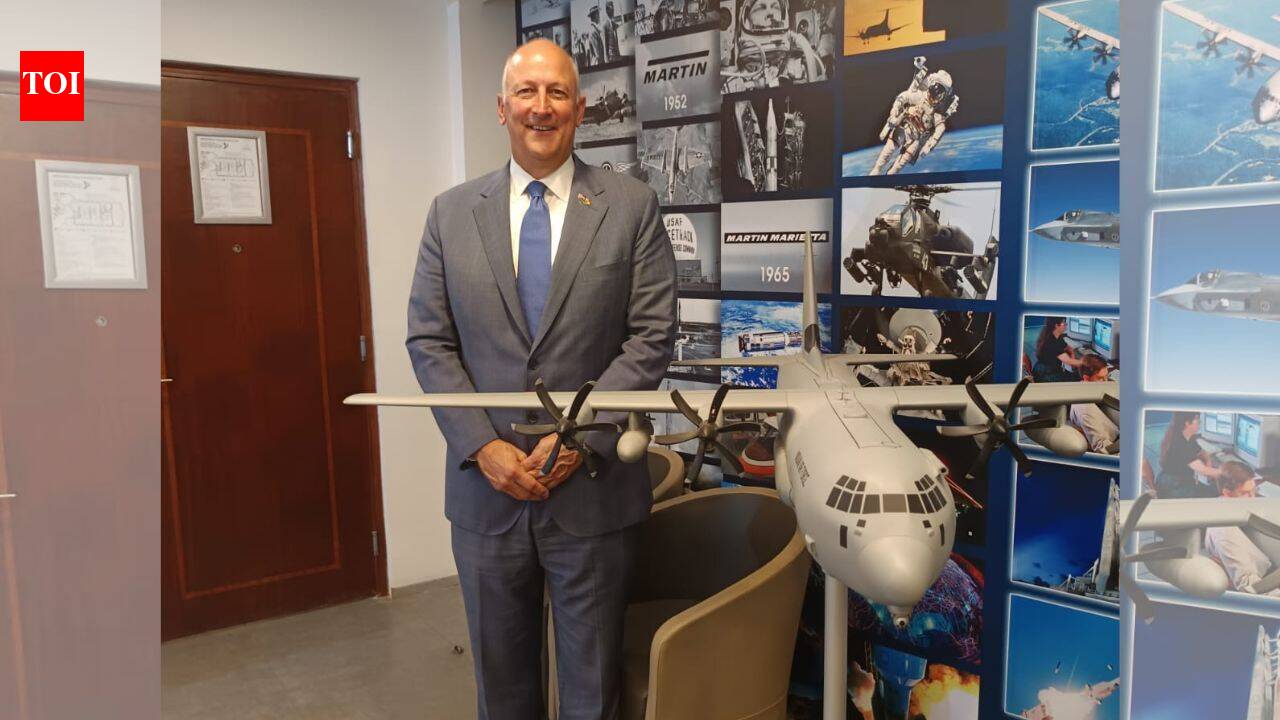
Lockheed Martin has expressed readiness for technology transfer regarding specific components of the Super Hercules aircraft to India. This move aligns with India's broader strategic goal of achieving indigenous defense manufacturing capabilities under the 'Make in India' initiative.
The Shift Toward Indigenous Defense Manufacturing
Lockheed Martin’s recent announcement expressing readiness to facilitate technology transfer for specific components of the C-130J Super Hercules aircraft marks a significant milestone in Indo-US defense cooperation. By moving beyond simple procurement and toward the sharing of technical expertise, this development signals a shift in the bilateral relationship. It reflects a growing recognition that for India to achieve its goal of a truly sovereign military, it must transition from being a mere consumer of foreign hardware to a partner in the global defense supply chain.
Advancing the 'Make in India' Mandate
The 'Make in India' initiative in the defense sector is not merely about domestic assembly; it is about the long-term acquisition of intellectual property and localized manufacturing prowess. Lockheed Martin's willingness to transfer technology for the Super Hercules platform directly addresses the core objective of this mandate: reducing import dependency. By localizing the production of key parts, India can ensure a more resilient supply chain and lower lifecycle maintenance costs for its strategic airlift capabilities.
Strategic Implications for the Indian Air Force
The C-130J Super Hercules has long served as a backbone for the Indian Air Force’s special operations and tactical airlift missions. Integrating indigenous parts into this platform provides the Indian military with greater operational autonomy. When a nation controls the manufacturing and maintenance of its own critical defense components, it mitigates the risks associated with geopolitical shifts that could otherwise disrupt the supply of spare parts or technical support from international vendors.
Historical Context and Industrial Maturity
Historically, India’s defense sector relied heavily on imports, often resulting in prolonged procurement cycles and limited technology absorption. The current dialogue between domestic manufacturers and global giants like Lockheed Martin indicates a maturing industrial base. This evolution suggests that India is successfully creating an ecosystem where global defense contractors find it commercially and strategically viable to share sensitive technology, provided there is a robust local infrastructure to support it.
Predicting Future Trends
Looking ahead, this partnership could serve as a template for future defense deals. As India continues to emphasize self-reliance, we can expect to see more global OEMs (Original Equipment Manufacturers) proposing similar technology transfer models to maintain their footprint in the Indian market. This competitive pressure will likely accelerate the modernization of India’s private defense industry, pushing local firms to meet international quality standards and fostering an environment of innovation.
Conclusion
The readiness of Lockheed Martin to share technology for the Super Hercules is a testament to the progress of India's indigenous defense trajectory. While the path to complete self-reliance remains complex, such collaborations are essential building blocks. By prioritizing technology transfer, India is systematically dismantling historical barriers to military self-sufficiency, ensuring its armed forces are equipped with technology they can truly call their own.