Logitech’s handheld plans are on ice — don’t expect a G Cloud 2 soon
Source Entity
Sean Hollister
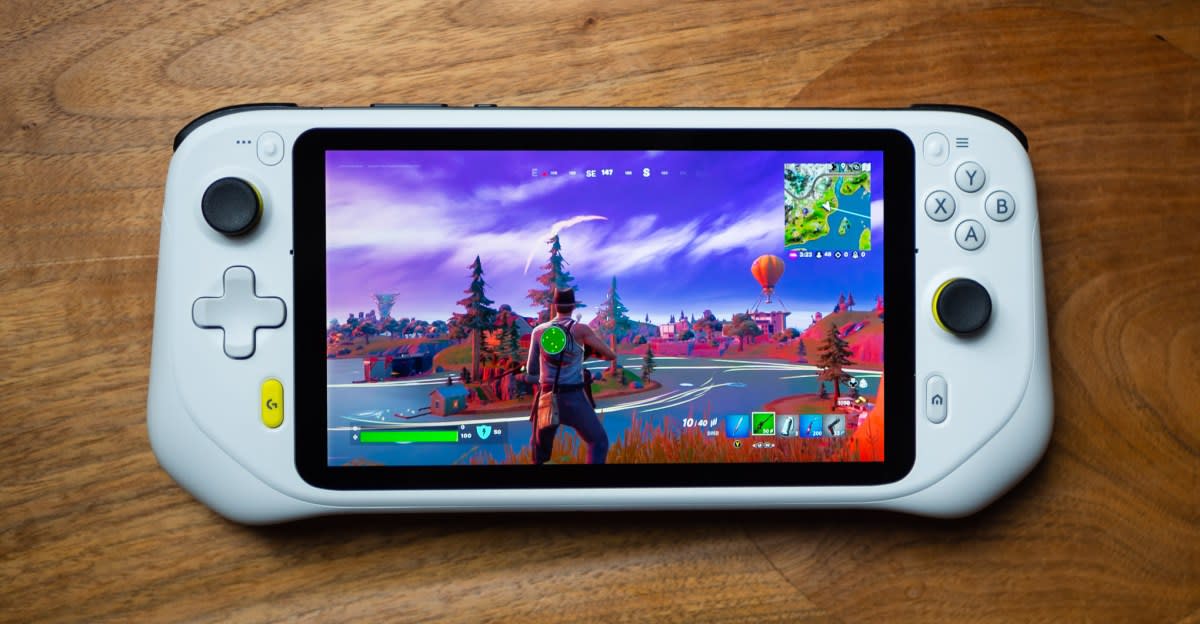
Logitech has shelved plans for a successor to its G Cloud handheld, prioritizing other projects over a new device. Additionally, the company will adopt a split-market strategy for wireless mice, offering user-replaceable batteries only in Europe to comply with upcoming 2027 regulations.
Strategic Shifts at Logitech: Handhelds and Regional Hardware
Logitech, a prominent leader in computer peripherals and gaming hardware, is currently undergoing a strategic recalibration under its new gaming lead, Robin Piispanen. In recent discussions, Piispanen has confirmed that the company is effectively hitting the brakes on its handheld gaming ambitions, specifically regarding a potential successor to the Logitech G Cloud. Despite acknowledging the "charming value proposition" of handheld gaming, the company has determined that a second-generation G Cloud is not currently a viable priority.
The Future of the G Cloud
The original Logitech G Cloud was met with a lukewarm reception, often described as an "underwhelming experiment" in the crowded gaming handheld market. Piispanen’s stance indicates a pragmatic shift in focus, suggesting that Logitech is currently channeling its resources into more pressing initiatives. While the gaming landscape has shifted since the release of the original G Cloud, Logitech remains cautious, neither confirming nor denying a long-term return to the form factor, but effectively shelving immediate development plans.
Compliance and Market Fragmentation
Beyond handhelds, Logitech is adjusting its manufacturing strategy to align with evolving European Union regulations. By February 2027, the EU will mandate that consumer electronics must feature user-replaceable batteries. Rather than adopting this design standard globally, Logitech has confirmed it will implement a bifurcated strategy: manufacturing specific, compliant versions of its wireless mice for the European market, while maintaining existing designs for the rest of the world.
Parallels with Industry Trends
This regional manufacturing approach mirrors recent movements seen by companies like Nintendo, which has similarly opted to tailor hardware iterations to meet European-specific battery requirements. This trend highlights a growing "Brussels Effect," where stringent European regulations are effectively forcing global corporations to create tiered product lines. Instead of standardizing for a global audience, companies are increasingly choosing to isolate regulatory compliance to the specific markets where it is legally required.
Broader Implications for Consumers
For the global consumer, this strategy signifies a potential divide in hardware longevity and repairability. While European users will benefit from the accessibility of user-replaceable batteries—a feature long sought by right-to-repair advocates—users in North America and elsewhere may continue to rely on sealed, non-replaceable battery configurations. This creates a challenging landscape where the "best" versions of hardware are increasingly tied to geography rather than product tier.
Looking Ahead
As Logitech navigates these regulatory and market pressures, its primary challenge will be balancing the costs of maintaining separate supply chains against the benefits of product standardization. The decision to prioritize other projects over the G Cloud suggests that the company is shifting toward a more conservative, profit-focused R&D cycle. For the near future, observers should expect Logitech to prioritize its core peripheral business while treating regional compliance as an unavoidable, localized manufacturing cost rather than a catalyst for global product improvement.
Multiple Citing Sources